
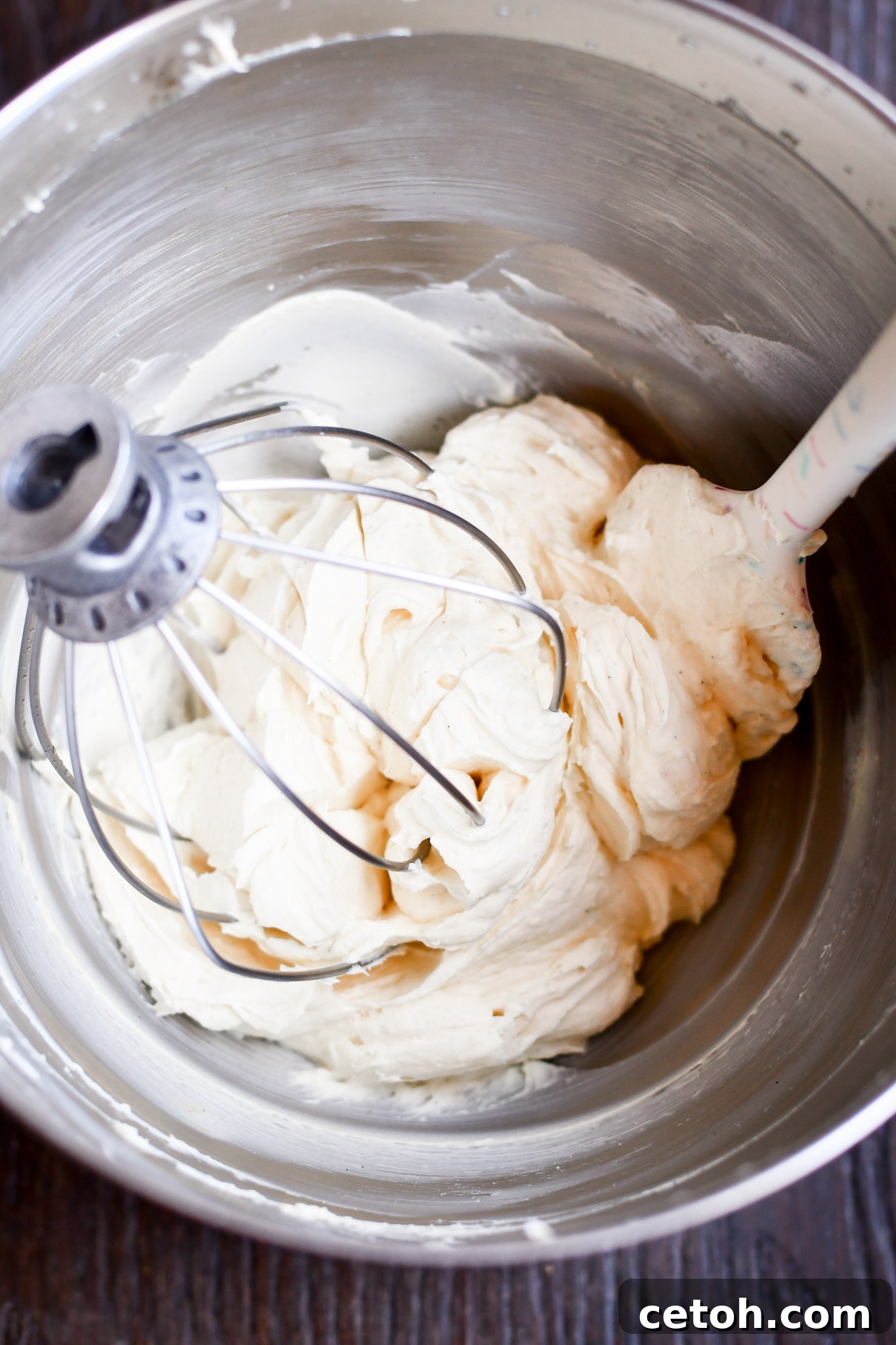
Homemade Stabilized (Pipeable) Whipped Cream: The Ultimate Guide
Are you tired of your beautiful whipped cream collapsing or melting into a puddle just minutes after being piped onto your favorite desserts? Do you dream of creating elegant, long-lasting decorations that hold their shape for hours, even at room temperature? If so, you’ve come to the right place! Homemade stabilized whipped cream is the game-changer you need. This easy-to-follow recipe will reveal the simple secret ingredient that transforms ordinary whipped cream into a robust, yet delightfully light and fluffy, topping that’s perfectly pipeable and holds its shape with remarkable resilience. Whether you’re adorning a celebratory cake, crowning a batch of cupcakes, or adding a luxurious swirl to a decadent pie, this stabilized whipped cream recipe is about to become your essential go-to for picture-perfect desserts.
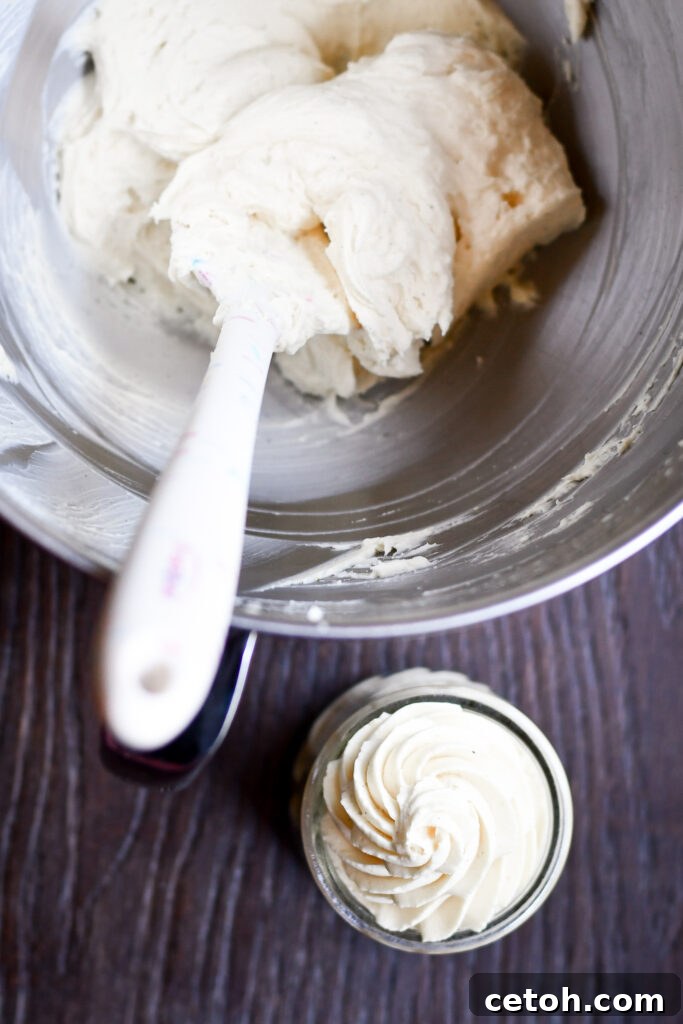
Say goodbye to melted whipped cream with this easy, stabilized recipe – perfect for flawless piping and decorating that lasts!
What is Stabilized Whipped Cream and Why You Need It
The Science Behind Regular Whipped Cream’s Flaws
Regular whipped cream is a beloved classic, made by vigorously beating heavy cream until air is incorporated, creating that signature light, airy, and fluffy texture. This transformation occurs as fat molecules in the cream encapsulate tiny air bubbles, forming a delicate emulsion. However, because it’s primarily just cream and air, it lacks the inherent structural support needed to maintain its shape for extended periods, especially when exposed to room temperature or humidity. This inherent fragility means that while regular whipped cream is fantastic for immediate consumption, it often deflates, softens, and “weeps” (releases liquid) when used on desserts that need to sit out, be transported, or require intricate decorative piping.
Introducing the Solution: Stabilized Whipped Cream
Stabilized whipped cream is the culinary answer to these common frustrations. It ingeniously solves the stability problem by incorporating a stabilizing agent into the whipping process. In this particular recipe, our secret weapon is instant pudding mix. This additional ingredient acts as a structural anchor, providing the whipped cream with extra body and firmness. The starches within the instant pudding mix absorb moisture and create a subtle gel-like network that reinforces the delicate air pockets, preventing them from collapsing. The result is a whipped cream that holds its peaks beautifully for hours, resists melting, and maintains its fluffy texture, making it unequivocally perfect for professional-looking decorating and long-lasting dessert toppings. Beyond its superior structure, it also adds an extra layer of deliciousness!
Benefits of Opting for Stabilized Whipped Cream
- Extended Shelf Life: Stays firm and fresh for up to 2-3 days in the refrigerator, significantly longer than its unstabilized counterpart.
- Superior Piping and Decorating: Achieve sharp, defined edges and intricate designs that won’t sag or blur. Perfect for rosettes, borders, and delicate swirls.
- Prevents Soggy Desserts: Its enhanced stability means it’s less likely to weep liquid, protecting cakes, pies, and tarts from becoming soggy.
- Ideal for Advance Preparation: Prepare your whipped cream ahead of time for parties, holidays, or events, reducing last-minute stress.
- Travel-Friendly: Desserts topped with stabilized whipped cream can be transported with confidence, as the topping will maintain its integrity.
- Flavor Customization: While providing stability, ingredients like instant pudding mix also offer opportunities for exciting flavor variations.
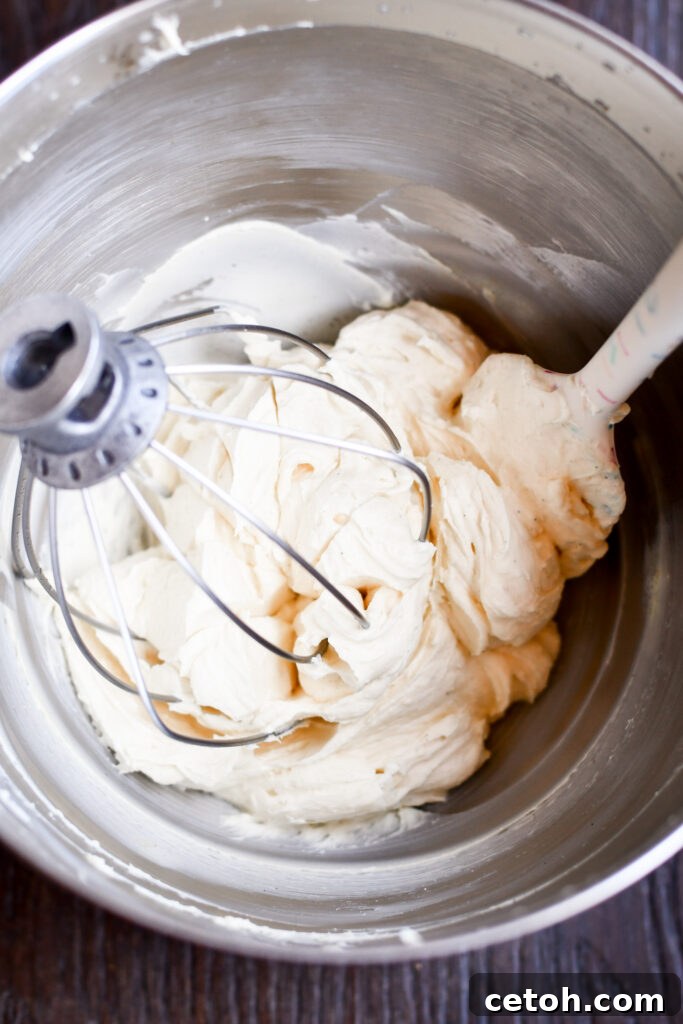
Master the art of pipeable whipped cream that truly holds its shape for hours. Your desserts will thank you!
Essential Ingredients for This Perfect Recipe
Heavy Whipping Cream
The foundation of any great whipped cream, heavy whipping cream (also known as heavy cream) is crucial due to its high fat content, typically 36% or more. This generous fat percentage is what allows the cream to trap air efficiently when whipped, resulting in that wonderfully light and airy texture. As the cream is beaten, the fat globules partially coalesce around air bubbles, creating a stable, frothy foam. The colder your cream, the faster and more effectively it will whip, yielding a sturdier structure. Always ensure your cream is well-chilled before you begin.
Powdered Sugar (Confectioners’ Sugar)
More than just a sweetener, powdered sugar plays a vital dual role in this recipe. Its ultra-fine consistency dissolves effortlessly into the cream, ensuring a perfectly smooth, non-gritty texture. Unlike granulated sugar, which can leave a slightly grainy feel, powdered sugar blends seamlessly. Furthermore, most powdered sugars contain a small amount of cornstarch (an anti-caking agent). This subtle addition of starch contributes to the stabilization of the whipped cream, helping it to hold its form even better.
Vanilla Extract
A touch of high-quality vanilla extract is indispensable for enhancing the overall flavor profile of your whipped cream. It introduces a warm, sweet, and comforting note that complements the rich creaminess beautifully. While pure vanilla extract offers the most authentic and robust flavor, good quality imitation vanilla can also be used. For an extra gourmet touch and visible vanilla specks, consider using vanilla bean paste. A little goes a long way in elevating the taste of your homemade topping.
Instant Pudding Mix (The SUPERSTAR Stabilizing Agent)
This is where the magic happens! Instant pudding mix is our chosen superstar stabilizer, and for good reason. The starches present in the pudding mix (usually cornstarch or modified food starch) are excellent at absorbing excess moisture from the cream, preventing weeping and giving the whipped cream significant structural integrity. This allows it to hold its shape beautifully, resisting collapse and melting much longer than regular whipped cream. Beyond its stabilizing power, instant pudding mix also adds a subtle yet delightful flavor, enriching both the texture and taste. The best part? You can customize the flavor profile by selecting different pudding mix varieties. While vanilla is a classic, flavors like white chocolate, cheesecake, chocolate, or even pistachio pudding mix can add exciting twists to your desserts!
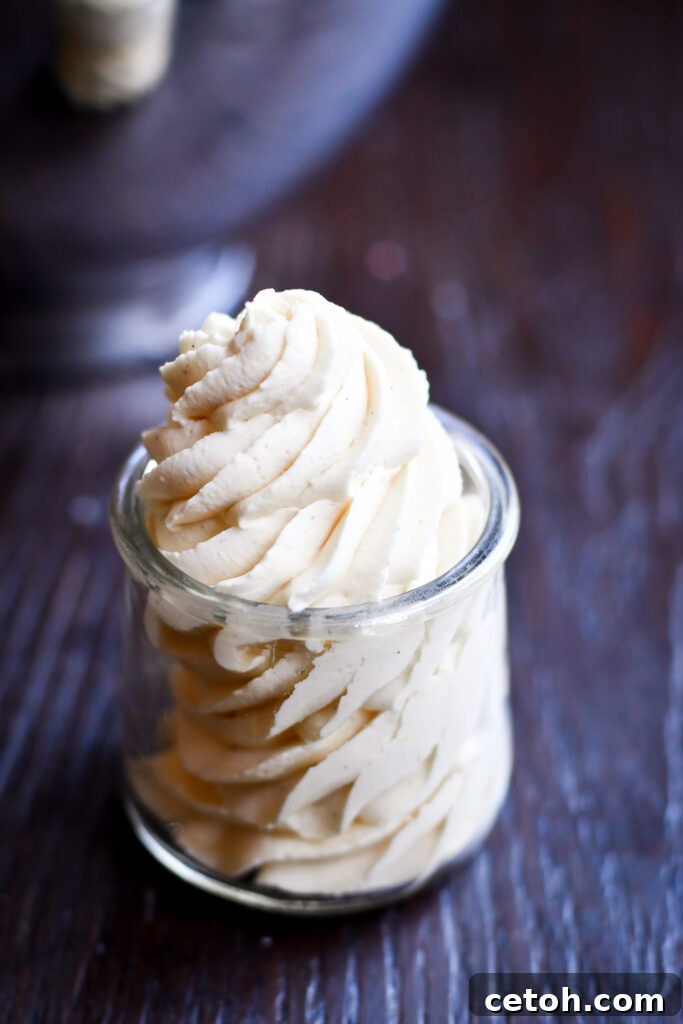
Achieve perfectly pipeable whipped cream with this easy homemade recipe. It holds up longer and looks stunning!
Creative Ways to Use Stabilized Whipped Cream
Cakes, Cupcakes, and PIES: Elevating Your Baked Goods
The primary advantage of stabilized whipped cream truly shines when it comes to decorating and topping baked goods. Unlike its traditional counterpart, which succumbs to gravity and ambient temperatures, this stabilized version remains firm, tall, and exquisitely decorative. The pudding mix creates a more solid, yet still airy, structure within the cream, allowing it to maintain its piped peaks, swirls, and borders for hours. This is absolutely critical for cakes and cupcakes, particularly those served at events, parties, or gatherings where they might be displayed for an extended period. Imagine a birthday cake adorned with elegant whipped cream rosettes that look as fresh at the end of the party as they did at the beginning!
And when it comes to the quintessential pairing with a slice of pie, nothing quite compares to the luxuriousness of homemade whipped cream. Pies are celebrated for their rich, complex, and often wonderfully bold flavors and textures – from the tartness of fruit fillings to the gooey sweetness of pecan or chocolate. You simply cannot pair such magnificent creations with a “wimpy” whipped cream that will quickly deflate or melt into an unappetizing puddle. Our stabilized whipped cream recipe rises to the occasion, offering a thick, creamy, and flavorful topping that holds its own. It adds a delightful textural contrast and its own subtle sweetness, checking every box for the perfect pie accompaniment.
Beyond the Basics: Versatile Applications
- Fruit Tarts and Trifles: Pipe beautiful dollops onto fresh fruit tarts or layer it elegantly in trifles for a stunning presentation that won’t collapse.
- Eclairs and Cream Puffs: Fill these delicate pastries with stabilized whipped cream for a lighter alternative to pastry cream that holds up well.
- Hot Beverages: Top your hot chocolate, coffee, or specialty lattes with a generous swirl that stays put and melts slowly.
- Parfaits and Mousse: Create airy layers in parfaits or lighten up mousses for a delightful textural experience.
- Berries and Fruit Salads: Serve as a decadent, yet light, accompaniment to fresh berries or a vibrant fruit salad.
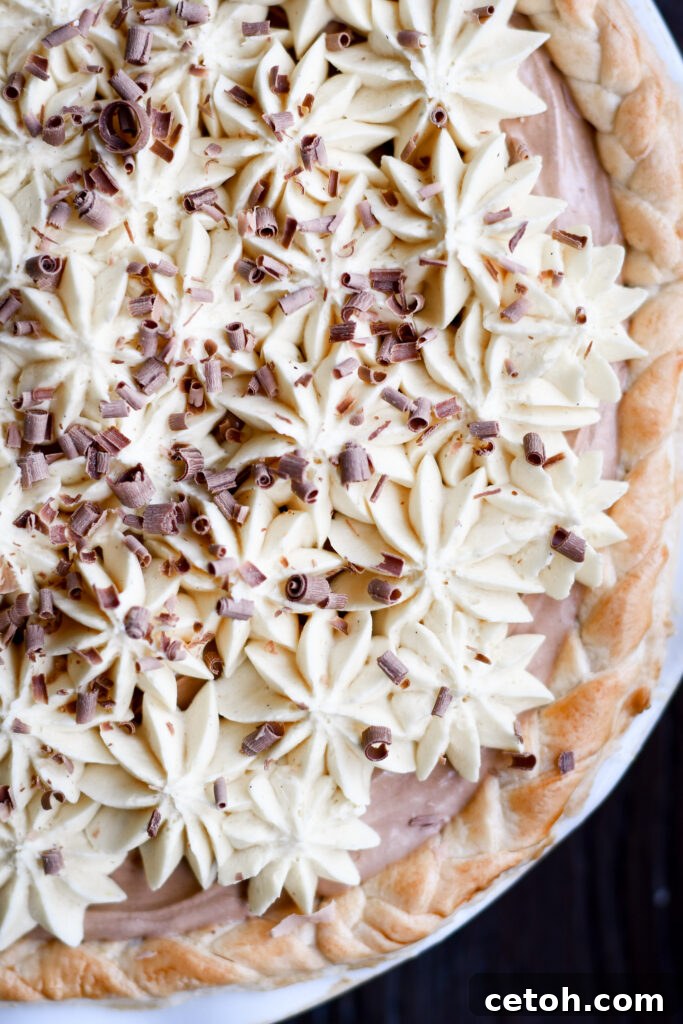
Uncover the secret to perfect, pipeable stabilized whipped cream – sturdy, delicious, and easy to make at home.
Suggested Dessert Pairings
While we firmly believe this homemade stabilized whipped cream would complement almost any dessert imaginable, some combinations are particularly divine. These specific recipes come to mind, promising an exceptional culinary experience:
- Serve a generous dollop alongside this Churro Bundt Cake, where the creamy coolness provides a wonderful contrast to the cinnamon-sugar warmth.
- Smother it on top of this bright and zesty Lemon Syrup Cake for an explosion of citrus and cream (consider using lemon instant pudding mix for an extra flavor boost!).
- Thoughtfully replace the traditional cream cheese frosting on Cake Man Raven’s Red Velvet cake with this lighter, yet equally indulgent, stabilized whipped cream for a fresh take.
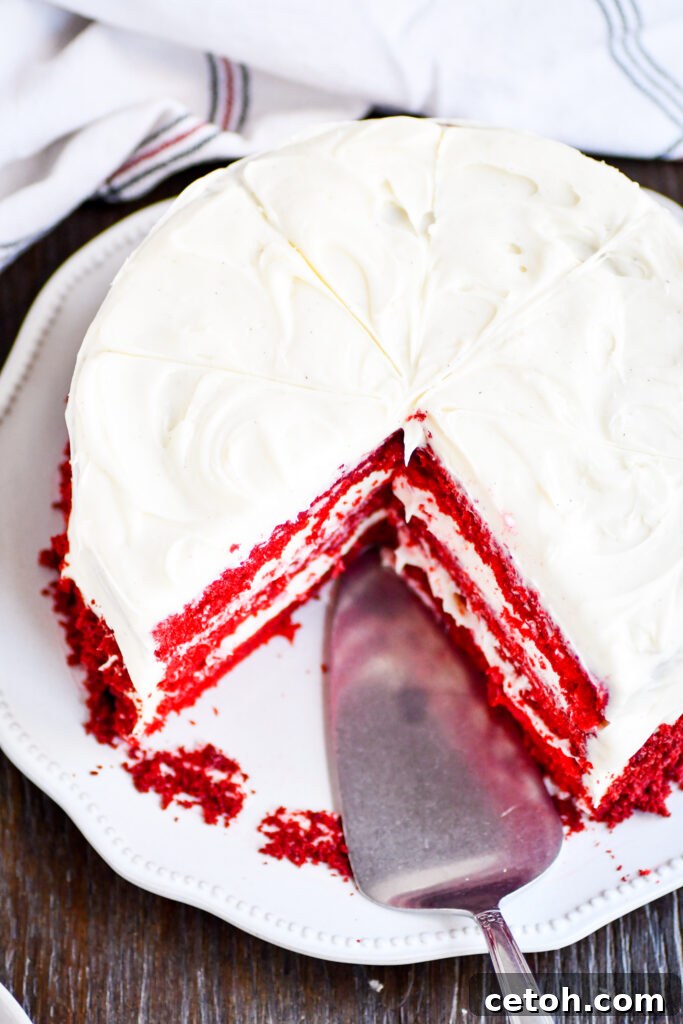
Craft picture-perfect desserts effortlessly with this light, fluffy, and perfectly pipeable stabilized whipped cream recipe!
Delicious Pie Recipes to Crown with Your Whipped Cream
Easy No-Roll Press-In Pie Crust (All-Butter Recipe!)
Easy Pumpkin Pie Recipe (Creamy, Classic, and Perfect for Thanksgiving)
No-Bake Chocolate Silk Pie | Easy, Creamy Chocolate Dessert
Butterscotch Pecan Pie Recipe
French Coconut Pie
Fresh Strawberry Pie Recipe
Butterscotch Texas Pecan Pie Recipe
Apple Pie Cinnamon Roll Pull Apart Bread
Mini Puff Pastry Apple Pies
Troubleshooting and Expert Tips for Perfect Whipped Cream
Whipped Cream Too Runny or Not Holding Shape
Probable Cause: The most common culprits are under-whipping, insufficient chilling of ingredients/equipment, or not enough stabilizing agent. If your cream is not cold enough, the fat molecules won’t firm up properly to trap air effectively.
Fix: First, ensure your heavy cream, mixing bowl, and whisk attachment are thoroughly chilled – ideally, place them in the freezer for 10-15 minutes before you start. Cold equipment helps the fat globules solidify faster, creating a sturdier foam. If your whipped cream is still too runny, continue whipping on high speed until stiff peaks begin to form. Be vigilant, though, to avoid over-whipping. If it still lacks structure, carefully add another teaspoon or two of instant pudding mix and whip briefly until the desired consistency is achieved. Always use heavy whipping cream with at least 35% fat content; lower fat creams will struggle to stabilize.
Whipped Cream Too Stiff, Grainy, or Curdled
Probable Cause: This almost always indicates over-whipping. Pushing the whipping process too far causes the fat molecules to separate from the liquid, leading to a grainy texture, and eventually, homemade butter!
Fix: Stop whipping immediately at the first sign of stiffness or graininess. If it’s only slightly over-whipped, you can sometimes rescue it by gently folding in a tablespoon or two of fresh, cold heavy cream by hand until the texture smooths out. Do NOT use the mixer for this step, as it can worsen the problem. If the cream has completely separated and formed butter, unfortunately, it’s usually too late to revert to smooth whipped cream, and you’ll need to start over. Always keep a close eye on your cream as it whips, stopping just as stiff peaks form.
Whipped Cream Separates and Weeps (Releases Liquid)
Probable Cause: This typically occurs due to prolonged exposure to room temperature, an unstable stabilizer (or lack thereof), or incorporating too much liquid during flavoring.
Fix: The best defense against weeping is refrigeration. Always store your stabilized whipped cream in an airtight container in the coldest part of your refrigerator when not in use. Even with a stabilizer, prolonged exposure to warm temperatures will eventually cause it to break down. Ensure you’re using a reliable stabilizing agent like instant pudding mix, which is specifically designed to prevent this issue. When adding flavorings, be mindful of the amount of liquid you introduce; liquid extracts are generally fine, but too much syrup or fruit puree can compromise the cream’s structure. If it’s already weeping, chilling it thoroughly might help slightly, but the texture may not fully recover. Prevention is key here.
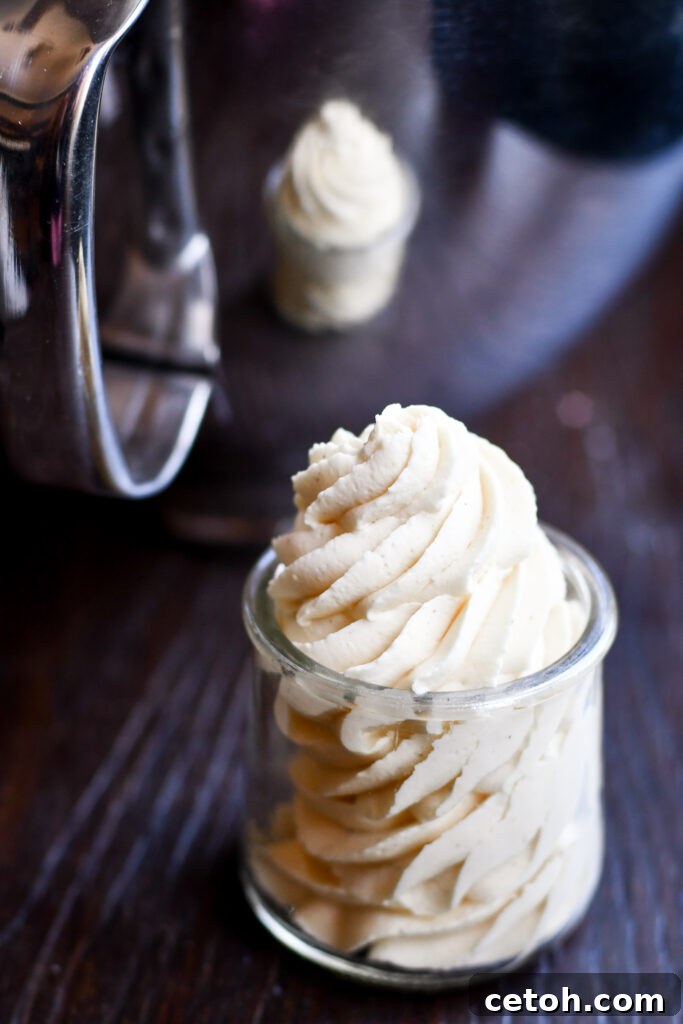
This foolproof recipe for stabilized whipped cream is a true game-changer, ensuring your desserts never fall flat!
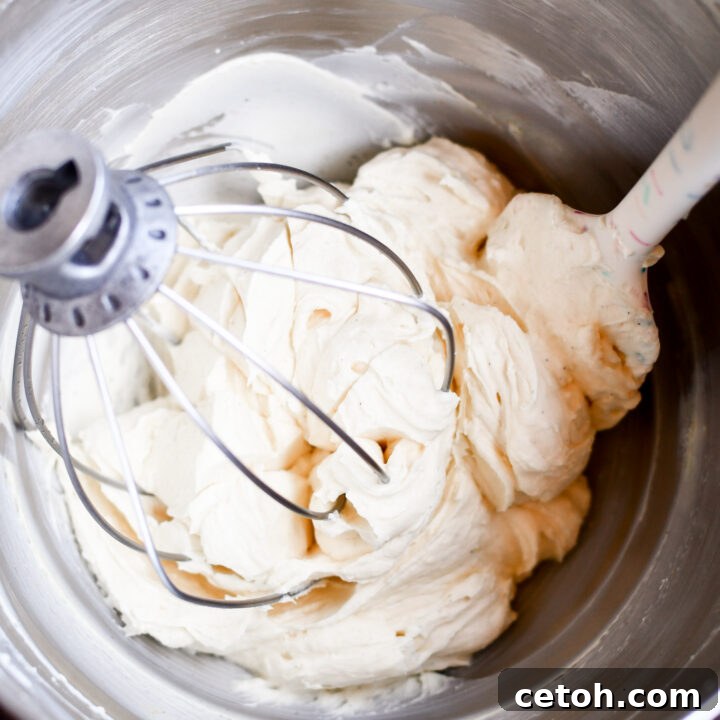
Homemade Stabilized (Pipeable) Whipped Cream Recipe
4 cups
5 minutes
5 minutes
Want whipped cream that doesn’t fall flat? This stabilized recipe is a game-changer for your cake and dessert decorating.
Ingredients
- 2 cups heavy whipping cream
- 1/2 cup powdered sugar
- 1 tbsp vanilla extract
- 2 tbsp instant pudding mix, vanilla flavor
Instructions
- Chill the bowl and whisk attachment of a stand mixer in the freezer for 10 minutes (I strongly suggest using a stand mixer rather than a hand mixer. If you DO use a hand mixer, be sure to use a large, deep bowl and ensure it’s very cold).
- Pour all of the ingredients into the chilled bowl. Begin whisking on low speed to combine, then gradually increase to high speed. Whip for approximately 5 minutes, or until stiff peaks form and the cream is thick and pipeable.
- Immediately use your perfectly stabilized whipped cream to spread, pipe, or dollop onto your chosen desserts. For optimal freshness and structure, keep any unused portion stored in a covered, airtight container in the refrigerator.
Notes
1. How long does stabilized whipped cream last?
Stabilized whipped cream offers significantly improved longevity compared to its regular counterpart. When stored properly in an airtight container in the refrigerator, it can hold its shape and fresh texture for up to 24-48 hours. For any piped decorations, they will remain intact and beautiful for several hours, even when kept at room temperature, although refrigeration is always recommended for the longest-lasting results and food safety.
2. Can I freeze stabilized whipped cream?
Yes, absolutely! Stabilized whipped cream freezes remarkably well. Once whipped and piped into your desired shapes (e.g., dollops on a baking sheet, or directly onto the dessert), freeze it until solid. It will largely maintain its shape upon thawing, although you might notice a very slight change in its overall texture, becoming a touch softer. For the best thawing results, transfer the frozen whipped cream or dessert to the refrigerator and allow it to thaw slowly overnight.
3. Can I flavor stabilized whipped cream in other ways?
You can certainly get creative with flavors! Beyond changing the instant pudding mix flavor, you can incorporate other extracts like almond, lemon, orange, peppermint, or even rum extract for a more adult dessert. For chocolate whipped cream, sift in 1-2 tablespoons of unsweetened cocoa powder along with the powdered sugar. When adding liquid flavorings, start with a small amount (1/2 to 1 teaspoon) and adjust to taste, as adding too much liquid can subtly impact the cream’s stability.
4. Can I color stabilized whipped cream?
Yes, coloring your stabilized whipped cream is a fantastic way to customize it for special occasions. Gel food colors are highly recommended over liquid food coloring. Gel colors are more concentrated, meaning you’ll need less to achieve vibrant hues, and they don’t add excess liquid that could compromise the cream’s structure. Mix the coloring into the cream after it has reached soft peaks, then continue whipping until stiff peaks form and the color is evenly distributed.
5. What can I use if I don’t have instant pudding mix? Are there other stabilizers?
If instant pudding mix isn’t available, several other stabilizers can be used. Unflavored gelatin is a popular choice: dissolve 1 teaspoon of unflavored gelatin in 2 tablespoons of cold water, let it bloom for 5 minutes, then gently heat until fully dissolved (do not boil). Let it cool slightly before slowly streaming it into the heavy cream as it whips. Cornstarch can also be used, adding about 1 tablespoon per cup of cream, often mixed with powdered sugar. Powdered milk (1-2 tablespoons per cup of cream) can also help absorb moisture and add stability.
6. Can I make stabilized whipped cream in advance?
Yes, this is one of its major advantages! Stabilized whipped cream can be prepared a day in advance. After whipping to stiff peaks, transfer it to an airtight container and store it in the refrigerator. If it feels a little too firm or dense the next day, you can briefly re-whip it by hand or with a mixer on low speed for just a few seconds to restore its fluffy texture, but be cautious not to overdo it.
7. Why use powdered sugar instead of granulated sugar?
Powdered sugar, also known as confectioners’ sugar or icing sugar, is preferred for whipped cream for two main reasons. Firstly, its extremely fine texture ensures it dissolves instantly into the cold cream, preventing any grainy or gritty mouthfeel that granulated sugar might leave behind. Secondly, powdered sugar typically contains a small amount of cornstarch, which, as mentioned, subtly contributes to the overall stability and body of the whipped cream, further enhancing its ability to hold shape.
8. What if my whipped cream becomes grainy or curdled? Can it be fixed?
A grainy or curdled texture is a clear sign that you have over-whipped the cream, causing the fat and liquid to begin separating, heading towards butter. If you catch it early, you might be able to salvage it. Immediately stop whipping and gently stir in 1 to 2 tablespoons of very cold heavy cream by hand. Continue to fold carefully until the texture appears smooth again. If the separation is significant, or if it has already turned into small lumps of butter, it’s generally irreversible, and it’s best to start with a fresh batch.
9. Can I use stabilized whipped cream as a cake frosting?
Absolutely! Stabilized whipped cream makes for a wonderful, lighter-than-air cake frosting, perfect for those who prefer a less sweet and rich alternative to traditional buttercreams. It spreads smoothly and pipes beautifully for simple decorations. While it offers excellent stability, it’s important to remember that it’s not as dense or firm as a classic buttercream, so it might not be suitable for heavily structured designs or multi-tiered cakes that require very strong support. It’s ideal for a delicate, elegant finish.
10. What’s the fundamental difference between stabilized whipped cream and regular whipped cream?
The core distinction lies in their structural integrity and longevity. Regular whipped cream is simply heavy cream infused with air, resulting in a delightfully light but highly perishable topping that quickly loses its volume and form. Stabilized whipped cream, on the other hand, includes an additional stabilizing agent (like instant pudding mix, gelatin, or cornstarch) which creates a more robust internal network. This allows it to maintain its fluffy texture, hold defined shapes for much longer, and resist melting or weeping, making it superior for decorating and dishes that aren’t consumed immediately.
Nutrition Information:
Yield: 16
Serving Size: 1
Amount Per Serving:
Calories: 120Total Fat: 11gSaturated Fat: 7gTrans Fat: 0gUnsaturated Fat: 3gCholesterol: 34mgSodium: 14mgCarbohydrates: 5gFiber: 0gSugar: 4gProtein: 1g
Did you make this recipe?
Please leave a comment on the blog or share a photo on Instagram