Savory Cheddar and Sage Biscuits
- Makes 6 biscuits
- Prep 15 minutes
- Cook 20 minutes
- Total 35 minutes
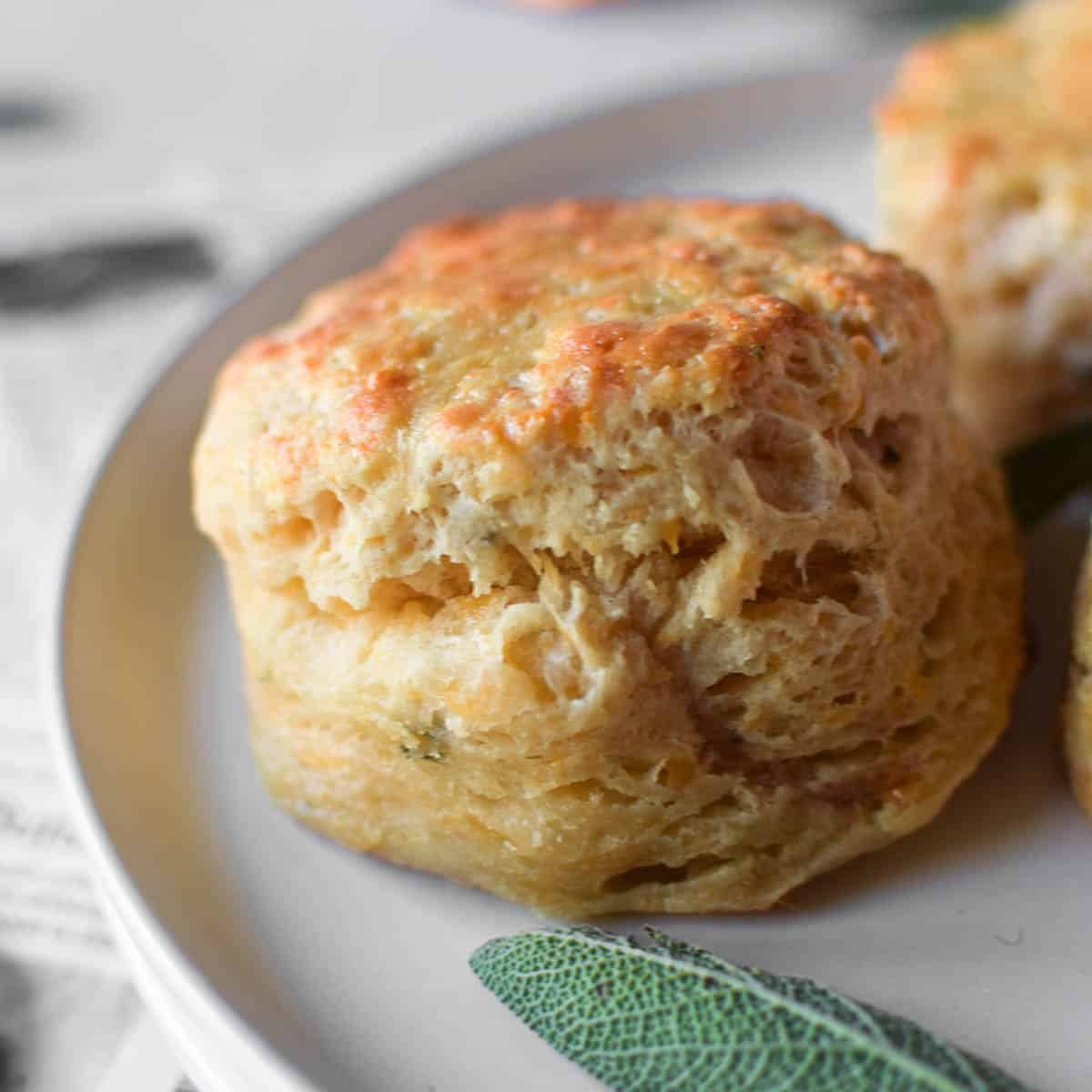
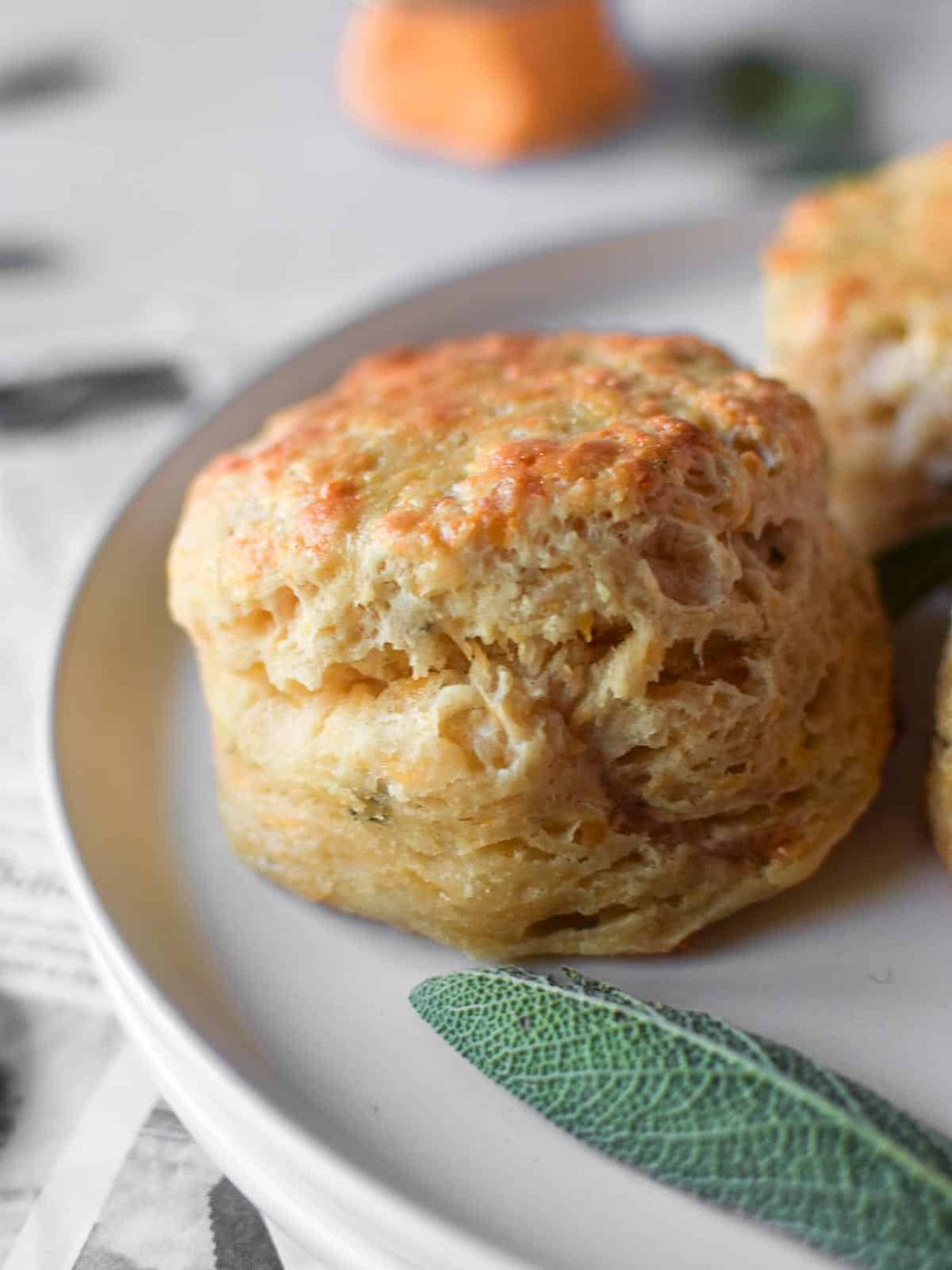
These Savory Cheddar and Sage Biscuits are buttery, flaky, and packed with sharp cheddar cheese and fresh sage. They're easy to make in about 45 minutes and are the solid savory biscuit for holiday dinners, soups, breakfast sandwiches, or weekend brunch.

Savory biscuits are tender, flaky biscuits made without added sweetness and flavored with ingredients like cheese, fresh herbs, garlic, bacon, or spices.
Unlike biscuits typically served with jam or honey savory biscuits pair well with soups stews eggs and holiday meals. These cheddar and sage biscuits are our absolute favorite, combining buttery layers with sharp cheddar cheese and fragrant fresh sage.
What stands out
There are so many reasons to love these savory biscuits (besides the taste, of course).
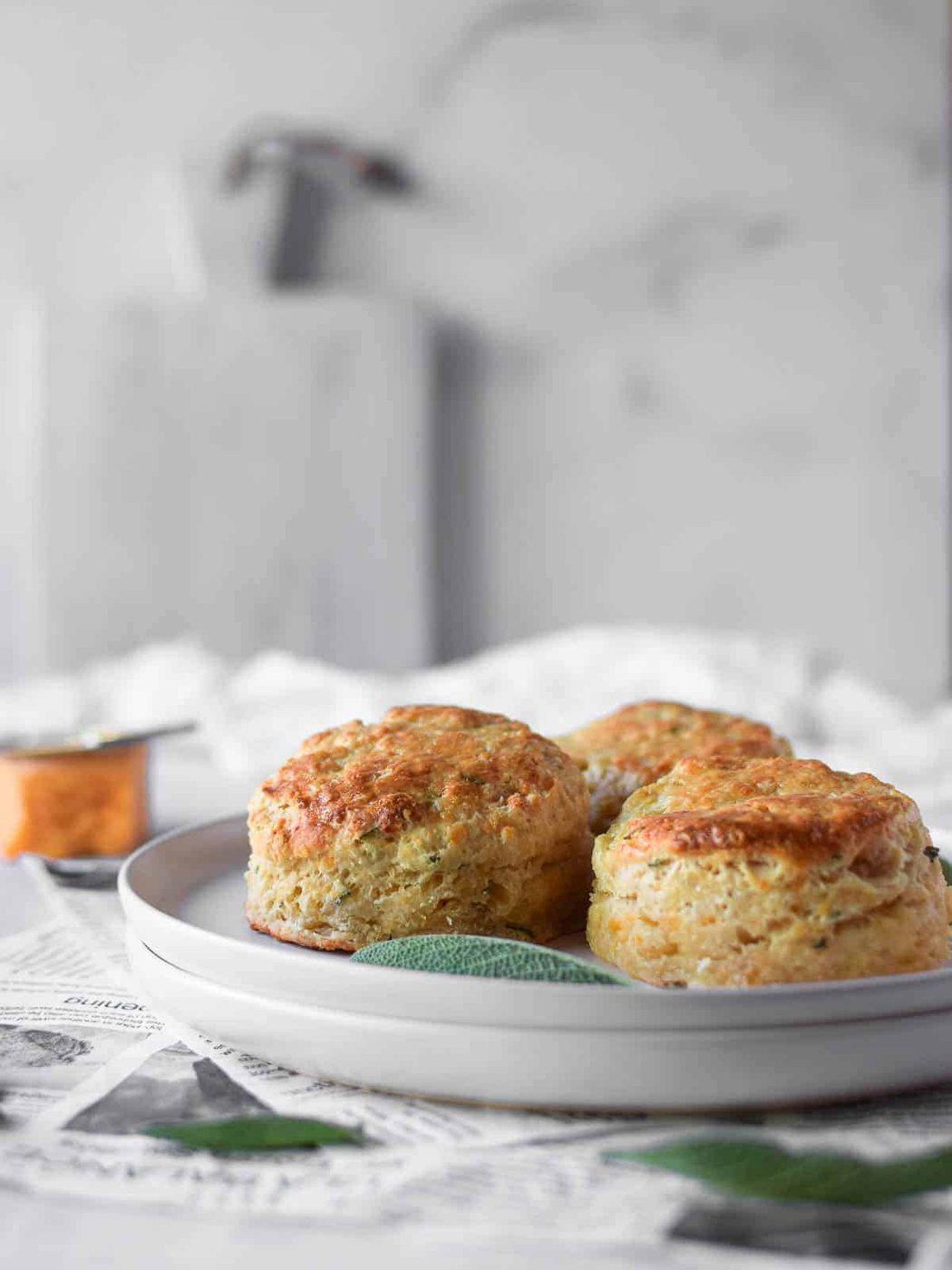
- They have tall, flaky, tender layers
- Made with fresh sage, so they're suited to fall
- Crispy, cheesy edges
- Ready in under an hour
- Freezer friendly
- Can be used as a sandwich
- Good with soups, eggs, and holiday meals
Key ingredients
For these cheesy sage biscuits, we're using some common biscuit ingredients. The self-rising flour is a must for keeping them light and fluffy.
- Self-rising flour This flour contains baking powder and salt, so no need for additional baking powder. Self-rising flour is mainly used for its lower protein count. This means less gluten and therefore a less chewy biscuit. It will help keep the biscuits nice and fluffy.
- Buttermilk Gives biscuits a tang and keeps the dough tender. Make sure the buttermilk is cold.
- Butter Cold butter releases fat and creates those airy pockets.
- Cheddar Sharp cheddar is best as it has less moisture and creates those beautiful crispy edges. Sharp cheddar also has a stronger flavor. buy a block of cheddar and grate it yourself (those pre-made cheeses don't melt as well).
- Sage Fresh is best. Dried sage, while fine in a pinch, won't produce the same flavor.
*The full list of ingredients is located in the recipe card below.
Instructions for savory cheddar and sage biscuits
Below is a visual guide to help you make these biscuits.
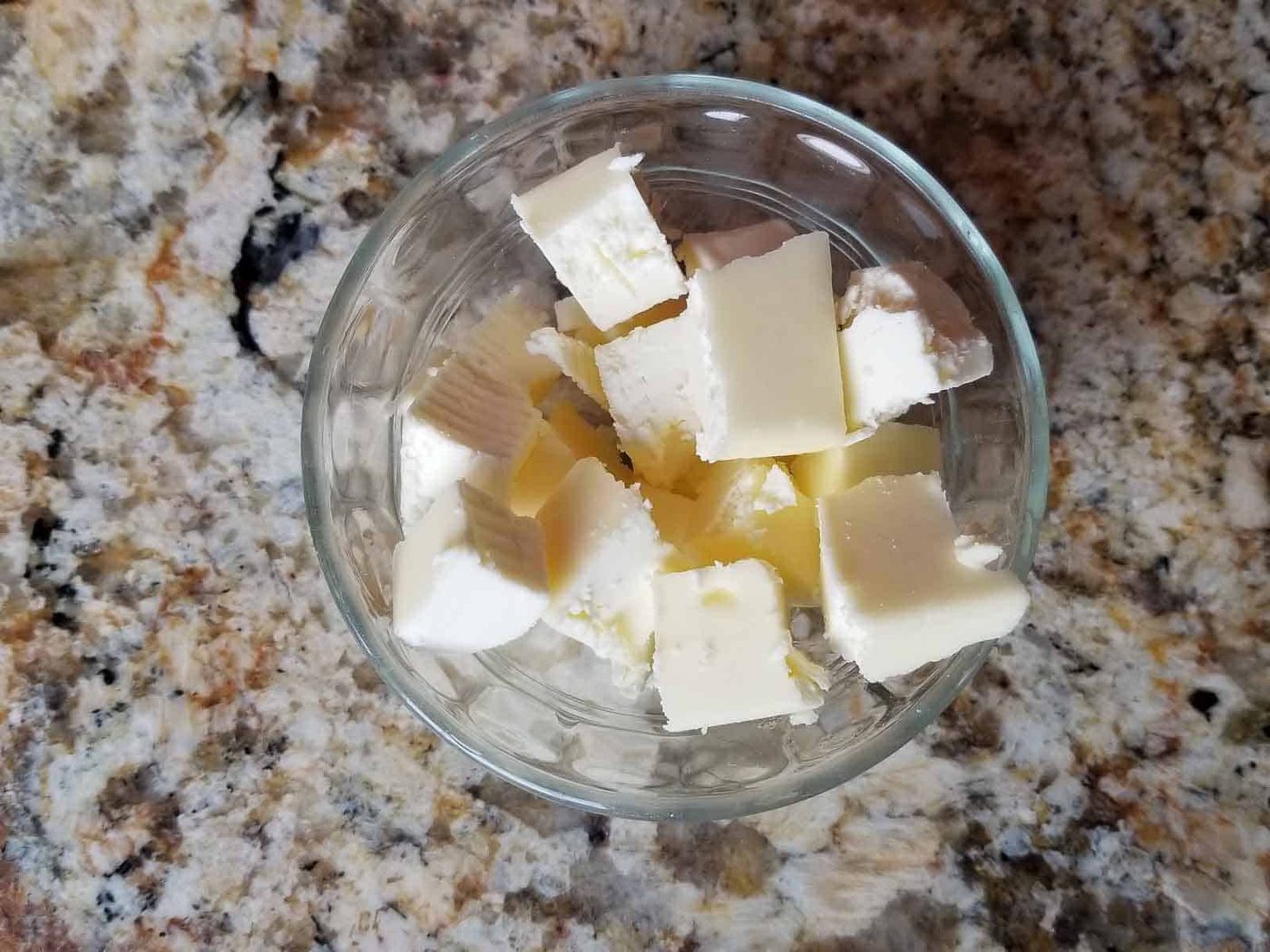
Step 1. Prepare a cast-iron skillet or baking pan with parchment paper. Whisk together the flour, salt, and sugar in a bowl. Add the butter.
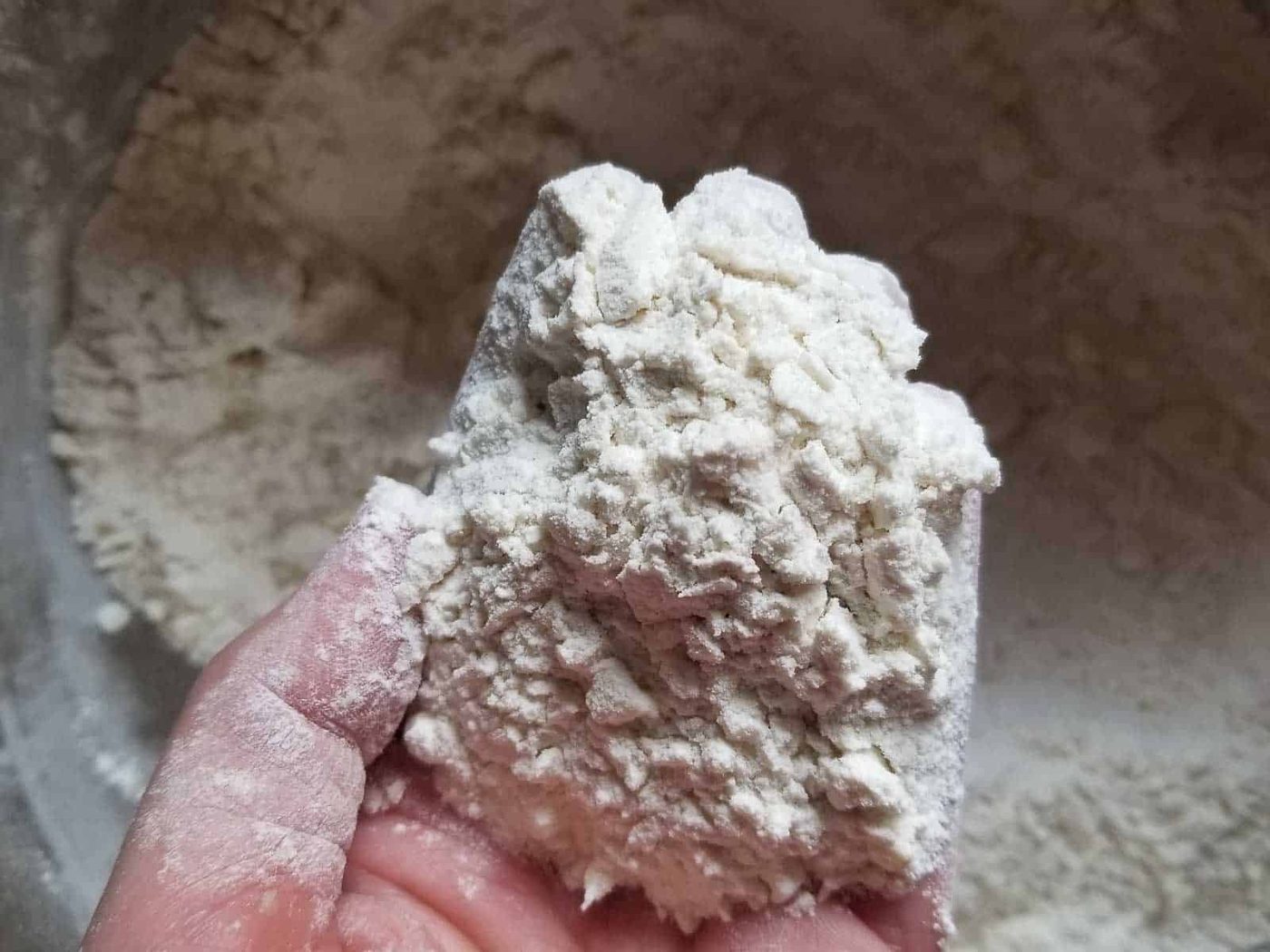
Step 2. Using a pastry blender (or 2 forks), incorporate the butter into the dough. It should resemble the size of peas.
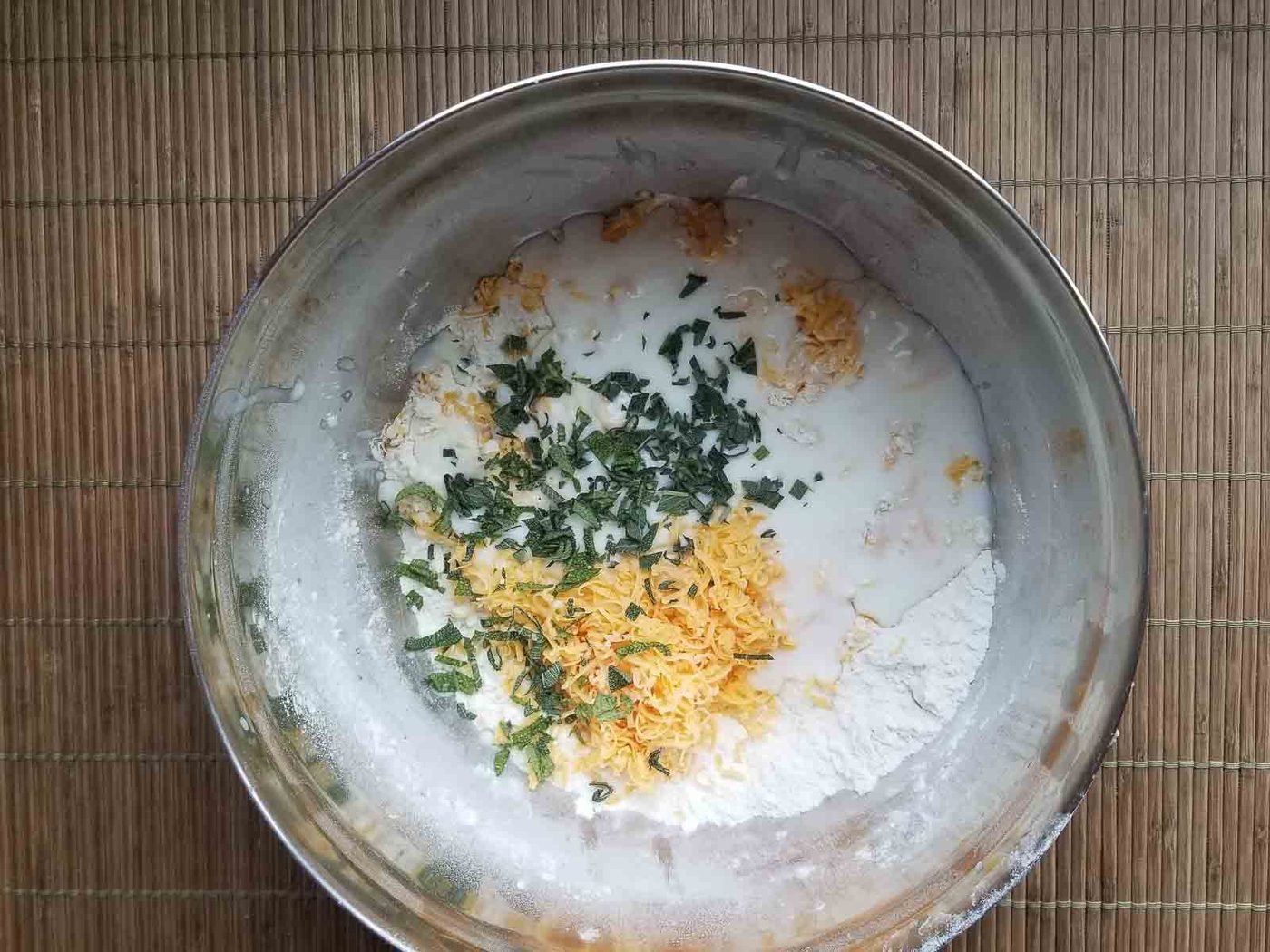
Step 3. Add the buttermilk, cheddar, and sage. Using a wooden spoon, mix the dough so all of the ingredients are incorporated. Do not over-mix.
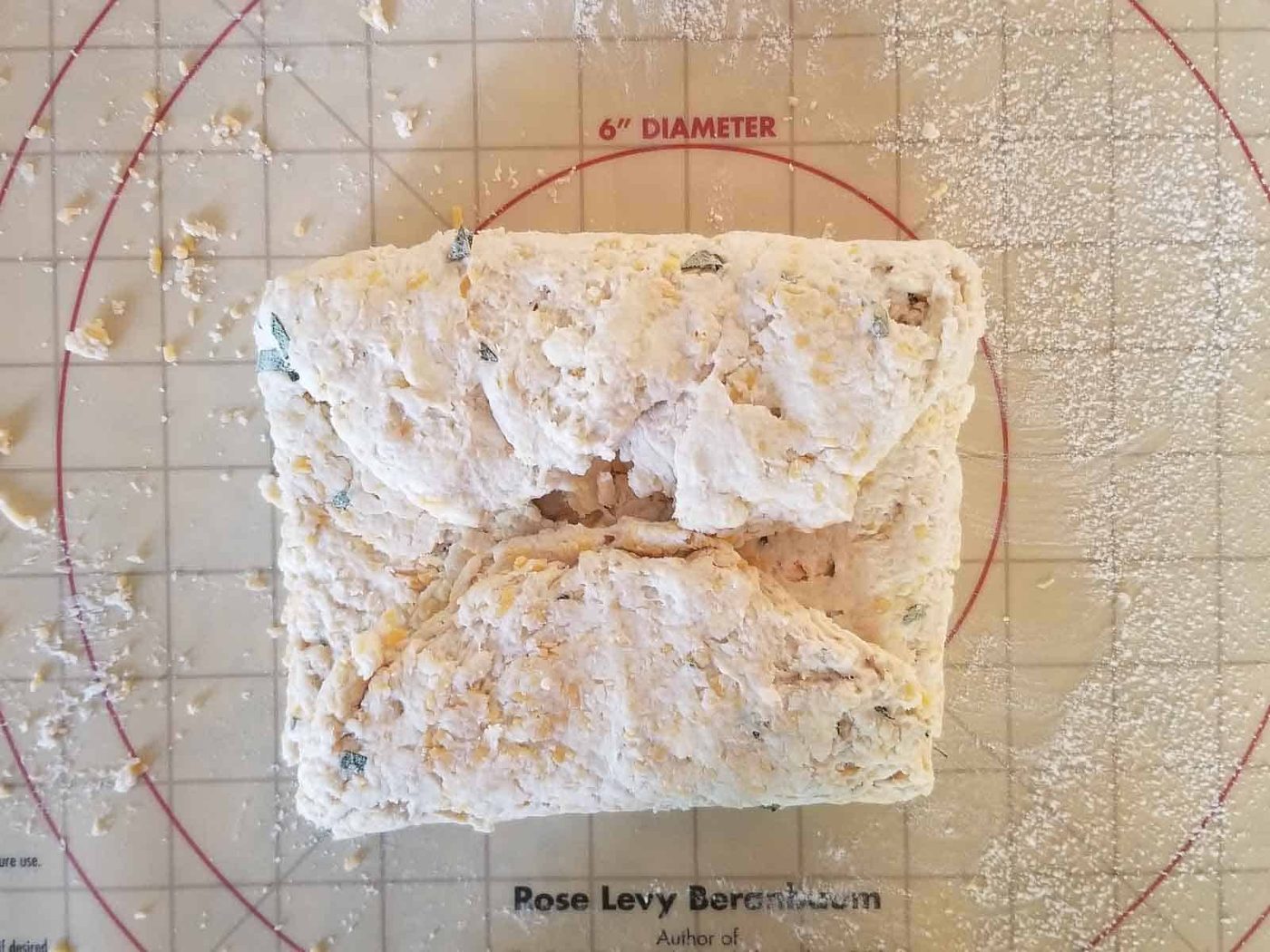
Step 5. Next, fold the dough inward on both sides, rotate, and pat down to a rectangle again. Repeat the fold 3 times. You should end with a rough rectangle about 1 inch thick.
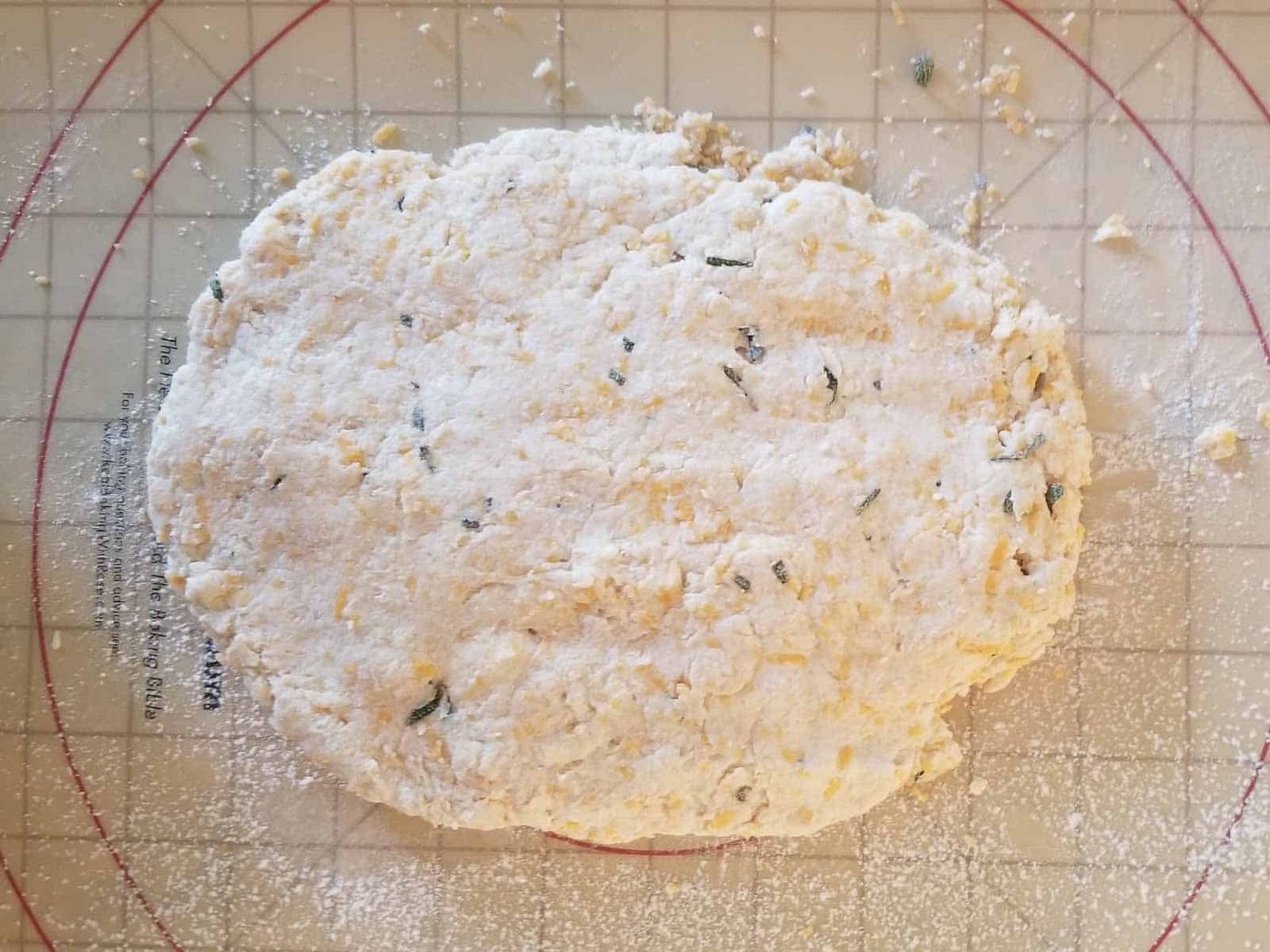
Step 4. Gather the dough with your hands, and turn it onto a lightly floured surface. With your hands, pat it into a rectangle, about 1 inch thick.
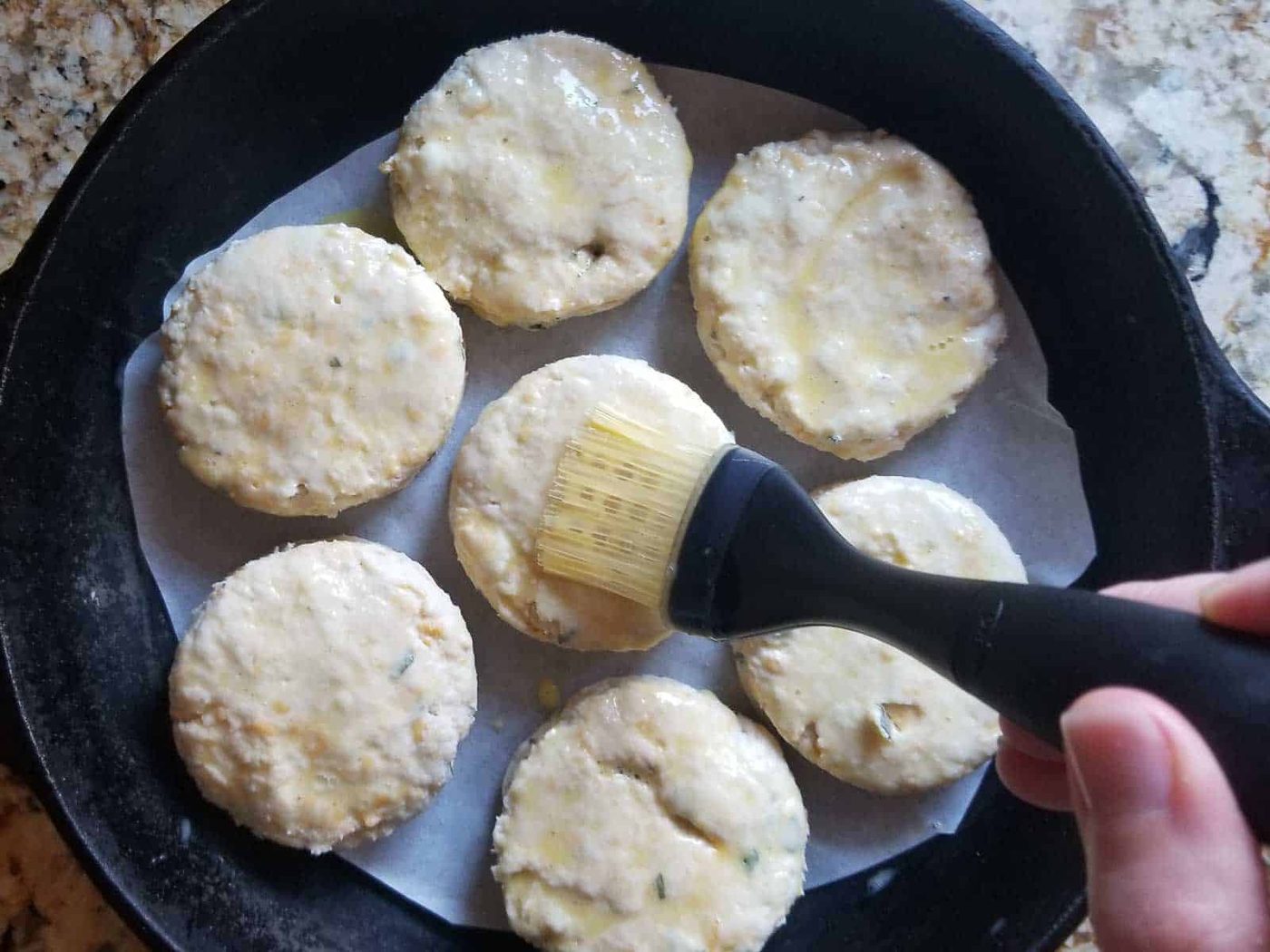
Step 6. Using a 2 ¾-inch biscuit cutter, cut out the biscuit shape by pressing straight down. Do not twist the cutter (the edges will seal and will prevent them from rising). Brush the tops with egg wash.
After brushing on the egg wash, let the biscuits hang in the fridge for 10 minutes to chill them. Next, place them in the prepared pan and bake for 18 minutes until golden brown on top.
*These are abbreviated instructions. For the full list of directions, please see the recipe card below.
Expert tips for solid biscuits
- Start with cold ingredients. Cold butter creates pockets of steam as the biscuits bake, resulting in flaky layers.
- Use freshly shredded cheddar. Pre-shredded cheese is coated with anti-caking agents that can prevent it from melting as smoothly and may affect the biscuit's texture.
- Don't overwork the dough. Mix until the flour is moistened. Overmixing develops gluten, leading to dense, tough biscuits instead of light, tender ones.
- Fold the dough for extra layers. Gently pat the dough into a rectangle, fold it over itself a few times, then flatten it again before cutting. This simple lamination creates distinct flaky layers.
- Cut straight down. Whether you're using a biscuit cutter or cutting squares with a bench scraper, press straight down without twisting. Twisting a round cutter can seal the edges and prevent the biscuits from rising evenly.
Swaps
Feel free to mix it up or experiment. Here are a few suggestions for swapping out some of the ingredients for a different flavor combination.
- Herbs You can use any fresh herb in place of the sage. Try some fresh thyme or chives.
- Parmesan (or other cheese) - Try experimenting with different cheeses, such as Parmesan, white cheddar, Swiss, or gruyere.
- Jalapeño Make it extra spicy with fresh jalapeño pepper.
- Bacon Bacon and cheddar? Yes please!
- Spices Try adding black pepper or smoked paprika for a nice kick!
Serve it with
Savory biscuits are good on their own or with a nice slather of butter right out of the oven. They make the solid side dish for any chili and are even better dunked in soup. Savory biscuits can be paired with a nice salad for a full and satisfying meal.
Sage biscuits would also make a great side to your Thanksgiving or holiday meal.
Keeping leftovers
You can keep freshly baked biscuits at room temperature for 1-2 days. Allow baked biscuits to cool completely, then wrap them in foil or plastic wrap, and place them in a plastic bag for best results. If not eating right away, store in the fridge for 4-5 days.
Biscuits can be stored in the freezer. After cooling completely, wrap tightly and place in a freezer-safe plastic bag. Store in the freezer for up to 3 months. To refresh biscuits, allow them to come to room temperature, or place them in a toaster oven to warm up.
Kitchen questions
Can we use dried sage?While you certainly can, we highly recommend fresh sage for its bold, earthy flavor. Dried sage is definitely more bland than fresh.
What's the best type of cheddar to use for savory biscuits?A sharp cheddar will work best for its bold, cheesy flavor. Sharp cheddar also contains less moisture than mild, leading to those crispy cheddar edges. Mild cheddar or even white cheddar will also work if you don't have sharp cheddar.
More recipes you'll love
Ingredients
Makes 6 biscuits
- 2 cups self-rising flour
- ½ tsp kosher salt
- 1 tbsp white granulated sugar
- 6 tbsp unsalted butter, very cold and cut into cubes
- ¾ cup + 2 tbsp buttermilk, chilled
- 1 cup grated sharp cheddar cheese
- 2 tbsp chopped fresh sage
- 1 egg + 1 tsp water (or buttermilk) (for egg wash)
Equipment
- 10-12- inch cast-iron skillet or large baking sheet lined with parchment paper
- biscuit cutter
Method
Preheat the oven to 425°F (220°C). Lightly butter a 10-inch cast- iron skillet. (For biscuits with crispier edges, line a baking sheet with parchment paper instead.)
In a large mixing bowl, whisk together the self-rising flour, salt, and sugar.
Add the cold butter and use a pastry cutter, two forks, or your fingertips to work it into the flour until the mixture resembles coarse crumbs with a few pea-sized pieces of butter remaining. *See notes for using a food processor.
Stir in the shredded cheddar cheese and chopped fresh sage until evenly combined.
Pour in the buttermilk and gently stir with a rubber spatula or wooden spoon just until no large pockets of dry flour remain. The dough will look shaggy and slightly uneven from the cheese, but it should hold together when gently pressed. Avoid overmixing. (If using a food processor, add the buttermilk and pulse just 2–3 times until the dough begins to come together, then transfer it to a lightly floured surface.)
Turn the dough onto a lightly floured work surface. Gently press it together into a rough rectangle about 1 inch thick. Fold the dough in half, rotate it 90 degrees, and repeat this process 3 to 4 times. This creates flaky layers while keeping the biscuits tender. Pat the dough to a final thickness of about 1 inch.
Using a 2¾-inch biscuit cutter dipped in flour, press straight down without twisting to cut out 6-7 biscuits. Gently gather and pat the scraps together once to cut the remaining biscuits, avoiding overworking the dough.
Place the biscuits in the prepared skillet so they are just barely touching. As they bake, they'll rise into one another, creating tall, fluffy biscuits with soft pull-apart sides. If baking on a sheet pan, leave about 2 inches between each biscuit for crispier edges.
Chill (Optional, but Recommended). For the flakiest biscuits, refrigerate the skillet or baking sheet for 10–15 minutes before baking. This helps keep the butter cold, resulting in taller, flakier biscuits.
In a small bowl, whisk together 1 egg with 1 teaspoon of water or buttermilk. Lightly brush the tops of the biscuits with the egg wash, being careful not to let it drip down the sides, which can interfere with the biscuits from rising evenly.
Bake for 18–22 minutes at 425℉ or until the biscuits are tall, golden brown on top, and baked through. Convection ovens may bake a few minutes faster, so begin checking for doneness around the 15-minute mark.
Remove the skillet from the oven and, if desired, brush the tops with melted butter while the biscuits are still warm. Serve immediately.
Kitchen notes
- Cheese Tip: Use a block of sharp cheddar and shred it yourself using the large holes of a box grater. Pre-shredded cheese contains anti-caking agents that can affect how the cheese melts and blends into the dough.
- Optional Food Processor Method: Add the flour, salt, sugar, and cold butter to the bowl of a food processor. Pulse 8–10 times, or until the butter is broken into pea-sized pieces. Transfer the mixture to a large bowl and stir in the cheddar cheese and chopped sage before continuing.
- Storage: Store leftover biscuits in an airtight container at room temperature for up to 2 days or refrigerate for up to 5 days. Reheat in a 350°F oven until warm. Freeze for up to 3 months.