

Easter, a time often associated with sweet indulgences, can be a challenging holiday for anyone committed to a ketogenic lifestyle. The ubiquitous Cadbury Creme Egg, a nostalgic symbol of spring, traditionally represents a sugar-laden minefield for low-carb eaters. But what if you could recapture that beloved childhood memory, the joy of biting into a creamy, chocolate-covered delight, without derailing your health goals? The good news is, you absolutely can! Introducing the ultimate homemade Keto Creme Eggs – a truly special, sugar-free Easter treat designed to bring back all the joy, minus the guilt.
Reclaiming a Childhood Favorite: My Journey to Perfect Keto Creme Eggs
For many, the mere mention of a Creme Egg evokes a rush of vivid childhood memories. I distinctly remember the anticipation that built up each year, waiting for mid-winter commercials to herald their arrival in stores. One particular advertisement remains etched in my mind: young people roller skating, casually biting off the tops of their eggs to reveal the gooey, creamy centers. While the connection between roller skating and Easter eggs was always a bit of an enigma (it was the early eighties, and “cool” probably took precedence over logic!), the allure of that rich, sweet filling was undeniable. It was a yearly ritual, a sugary indulgence that marked the coming of spring.
Cadbury’s Easter Creme Eggs were more than just candy; they were a significant part of my formative years, an annual event that I awaited with the same excitement as Christmas. The ritual of carefully biting off the top, slowly licking out the distinctively sweet, creamy center, and then savoring the remaining chocolate shell was a cherished private moment. It was a guilty pleasure, to be sure – as junky as treats get – but oh, so delicious. This deep-rooted nostalgia fueled my mission: to create a low-carb, sugar-free version that could truly stand up to the original, allowing me to relive those precious memories without compromising my commitment to a keto diet.
My quest for the perfect Keto Creme Egg began back in 2014 when I first posted a homemade sugar-free Easter egg recipe. While enjoyable at the time, culinary techniques and ingredient availability have evolved significantly since then. With new methods and innovative keto-friendly ingredients, I was confident I could not only improve upon my original recipe but create something truly exceptional. This updated version represents years of refinement, ensuring a result that is better than ever, delivering an authentic taste and texture that will surprise and delight even the most discerning palate.
The Keto Difference: Crafting Sugar-Free Excellence
The primary challenge in recreating a Cadbury Creme Egg for a ketogenic diet lies in its notoriously high sugar content. Traditional condensed milk, the backbone of the original filling, is essentially sugar syrup. To overcome this, the foundation of my Keto Creme Eggs is a meticulously crafted sugar-free condensed milk. This ingredient is crucial, but it requires careful formulation to achieve the right consistency and sweetness without the typical recrystallization issues often found in sugar-free desserts.
Earlier attempts to thicken the sugar-free condensed milk with additional powdered erythritol and a touch of coconut flour yielded a decent result, but it wasn’t quite perfect. The coconut flavor, however subtle, deviated from the true cream filling experience I was aiming for. The breakthrough came when I realized the potential of incorporating softened butter into the filling mixture. This addition not only provided the necessary body and richness but also contributed to a luxuriously smooth, slightly gooey buttercream texture that perfectly emulates the original. The combination of sweeteners in my keto condensed milk, along with the butter, ensures a filling that remains firm when chilled but melts delightfully in your mouth at room temperature – a hallmark of an authentic creme egg.
The results of this updated recipe exceeded my highest expectations. The texture, the sweetness, the overall indulgence – it was all there. A true testament to their deliciousness came from my toughest critics: my kids. I found myself in a playful battle for the last few eggs, with my teenage daughter giving me a very “baleful glare” when I claimed the final one for myself! That, in my book, is the ultimate seal of approval for any treat, keto or otherwise.
Mastering the Art of Homemade Keto Easter Creme Eggs: A Step-by-Step Guide
While making these Keto Easter Creme Eggs requires a bit of time and effort, the process is incredibly rewarding and enjoyable. Set aside a leisurely portion of your day, embrace the joy of creating, and prepare to be amazed by your confectionery prowess!
Essential Equipment for Perfect Egg Shapes
The right mold is key to achieving the classic Creme Egg look. Egg-shaped candy molds are readily available in various shapes and sizes. The size of your molds will, of course, influence the total yield and the macros per serving. I recommend using a mold similar to THIS ONE, which produces eggs comparable in size to the traditional Cadbury variety. Investing in a good quality silicone mold will make the process of unmolding your delicate chocolate shells much easier and ensure a professional finish.
Crafting the Perfect Sugar-Free Chocolate Shell
The chocolate shell provides the satisfying snap that contrasts beautifully with the gooey filling. You have the flexibility to choose between sugar-free milk chocolate chips or sugar-free dark chocolate chips, depending on your preference. For this recipe, I utilized Lily’s new milk chocolate chips, which offer a delightful sweetness reminiscent of traditional milk chocolate without the sugar. Dark chocolate is an excellent option if you prefer a richer, less sweet shell.
One essential trick for a superior chocolate shell is to melt your chosen sugar-free chocolate with a small amount of cocoa butter. This serves two crucial purposes:
- Improved Consistency: Cocoa butter thins the chocolate coating slightly, making it easier to spread evenly in the molds and helping to prevent the chocolate from seizing during melting.
- Enhanced Firmness: The addition of cocoa butter contributes to a firmer, more stable chocolate shell that is less prone to melting at room temperature, maintaining its integrity beautifully.
If cocoa butter isn’t available, you can substitute coconut oil, but be aware that your finished eggs will be more delicate and likely to melt faster at room temperature. When coating the inside of your silicone molds, ensure a generous and even layer. Apply a first coat, then carefully inspect for any thin or uncovered areas, adding a second coat where necessary. A small spoon works perfectly for spreading the chocolate smoothly over the mold’s surface.
The Irresistible Keto Creme Egg Filling
The heart of these keto delights is their creamy, sweet filling. This magical concoction is a harmonious blend of my homemade keto condensed milk and a rich keto buttercream frosting. The sugar-free condensed milk recipe calls for a specific combination of sweeteners, typically Swerve and BochaSweet, to achieve that perfect gooey consistency while actively preventing recrystallization. If BochaSweet is hard to find, allulose or xylitol are excellent alternatives that also help maintain a smooth texture. Should these options be unavailable, an all-powdered Swerve blend can be used, though you might experience some slight recrystallization in the filling. Rest assured, they will still be incredibly tasty!
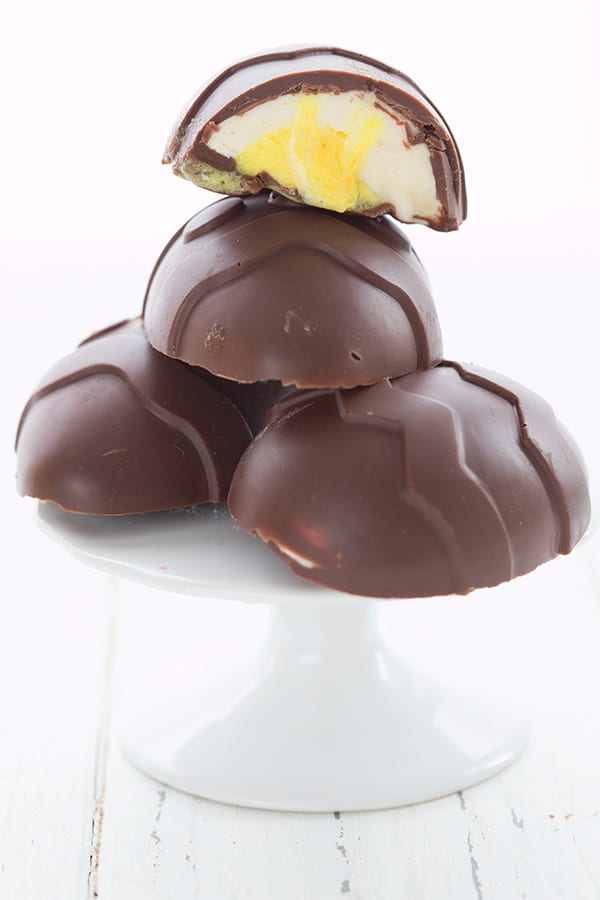
To capture the iconic look of a traditional creme egg, I recommend adding a touch of natural yellow food coloring to a portion of the filling. Simply remove a few tablespoons of the prepared filling mixture into a separate bowl and whisk in a small amount of yellow food coloring until you achieve a vibrant, bright “yolk” hue. This subtle detail elevates the visual appeal, making your homemade keto creme eggs even more authentic and exciting.
With these components expertly prepared, assembling your Keto Creme Eggs becomes a delightful final step. Each bite will transport you back to those cherished childhood Easters, but this time, you can savor every moment, knowing you’re enjoying a truly delicious, guilt-free, sugar-free Easter treat!
Tips for Success and Troubleshooting Your Keto Creme Eggs
Crafting these delectable treats is rewarding, but a few pointers can ensure flawless results. First, temper your chocolate properly. While a full tempering process can be complex, simply being mindful not to overheat your chocolate will prevent it from seizing. Melt it gently over a double boiler, stirring frequently, and ensure no water droplets come into contact with the chocolate. If your chocolate does seize, adding a tiny amount of melted cocoa butter or coconut oil and stirring vigorously can sometimes salvage it, though texture may vary.
For the filling, ensuring your butter is truly softened (but not melted) is crucial for a smooth, lump-free buttercream. Beat it thoroughly with the powdered sweetener before gradually incorporating the condensed milk. If your filling seems too runny, a brief chill in the refrigerator can help it firm up before piping or spooning into the shells. Conversely, if it’s too firm, let it sit at room temperature for a few minutes to soften slightly. When unmolding, work gently. Silicone molds are forgiving, but chilled chocolate can be brittle. A slight flex of the mold is usually enough to release the eggs cleanly.
Storage: These Keto Creme Eggs store wonderfully! Keep them in an airtight container in the refrigerator for up to 1-2 weeks. For longer storage, they can be frozen for up to 2-3 months. Simply thaw them in the refrigerator before serving, or enjoy them directly from the freezer for a delightful, firm chew.
Variations and Customizations for Your Low Carb Easter Treats
Don’t be afraid to get creative with your Keto Creme Eggs! The base recipe is fantastic, but it also serves as a canvas for delightful variations. Consider adding a few drops of peppermint extract to the white filling for a refreshing twist, or orange zest for a burst of citrus flavor. A touch of almond extract can also add a sophisticated note. For the chocolate shell, you could experiment with different types of sugar-free chocolate – perhaps a high-percentage dark chocolate for a more intense flavor, or even a sugar-free white chocolate for a different aesthetic. A sprinkle of flaky sea salt on top of the finished eggs can beautifully enhance the chocolate flavor. You can also play with different natural food colorings for your “yolk,” or skip it altogether for a uniform cream filling. The possibilities are endless, allowing you to tailor these treats to your exact preferences.
Why You’ll Love These Homemade Sugar-Free Easter Eggs
Beyond the undeniable deliciousness and the satisfaction of recreating a beloved classic, making your own Keto Creme Eggs offers several benefits. You have complete control over the quality of ingredients, ensuring they are free from unwanted sugars, artificial additives, and unnecessary fillers. This means you can indulge in a truly satisfying Easter treat that aligns perfectly with your dietary goals. The process itself is a wonderful way to connect with the holiday spirit, offering a rewarding culinary project that culminates in a delightful reward. Share them with family and friends (especially the keto-conscious ones!) and watch their faces light up as they discover this incredible sugar-free alternative. These homemade delights prove that sticking to a low-carb lifestyle doesn’t mean sacrificing the festive joy and nostalgic pleasures of holidays like Easter.
For more fantastic ideas to complete your low-carb, sugar-free holiday celebrations, be sure to check out my Keto Easter Menu Plan.
Average rating: 4.84 from 6 votes
Keto Creme Eggs
Servings: 12 medium-sized eggs
Prep Time: 45 mins | Cook Time: 5 mins | Total Time: 50 mins
Gooey keto Creme Eggs for Easter! This childhood favorite is made with a soft buttercream filling and a sugar-free chocolate shell.
Print Recipe |
Pin Recipe |
Share on Facebook |
Rate this recipe
Equipment
- Silicone Easter egg molds
Ingredients
Chocolate Shell:
- 6 ounces sugar-free chocolate, chopped (milk or dark, your choice)
- 3/4 ounce cocoa butter
Cream Filling:
- 6 tbsp butter, softened
- 1/4 cup powdered Swerve Sweetener
- 3/4 cup sugar-free condensed milk
- Natural yellow food coloring
Instructions
Chocolate Shell:
- Set a heatproof bowl over a pot of barely simmering water, making sure that the bottom of the bowl doesn’t touch the water.
- Combine the chopped chocolate and the cocoa butter and stir frequently until melted and smooth.
- Use a small spoon to cover bottom and sides of egg-shaped silicone molds with a good coating of chocolate, making sure to cover any thin spots. You should use about 1/2 to 2/3 of the chocolate, saving the rest to top the eggs after filling.
- Place mold on a baking sheet and freeze until set, about 20 minutes.
Cream Filling:
- Beat the butter with the powdered sweetener until well combined. Slowly drizzle in the condensed milk, beating on medium low, until smooth.
- Remove about 2 tablespoons of the mixture to another bowl and whisk in a little yellow food coloring at a time until a bright yellow is achieved.
To assemble
- Add a tablespoon or so of white condensed milk mixture to each chocolate shell, then dab a small amount of yellow condensed milk mixture in the center of each. Top with more white condensed milk.
- Set the eggs in the freezer for another hour to firm up.
- Re-warm the remaining chocolate gently over the pan of simmering water. Spoon over the filling and spread to the edges. Return to the fridge or freezer for another 30 minutes to firm up.
Nutrition
Serving: 1 egg | Calories: 211kcal | Carbohydrates: 6.2g | Protein: 1.2g | Fat: 21.1g | Fiber: 2.8g
I’d love to know your thoughts, leave your rating below!