
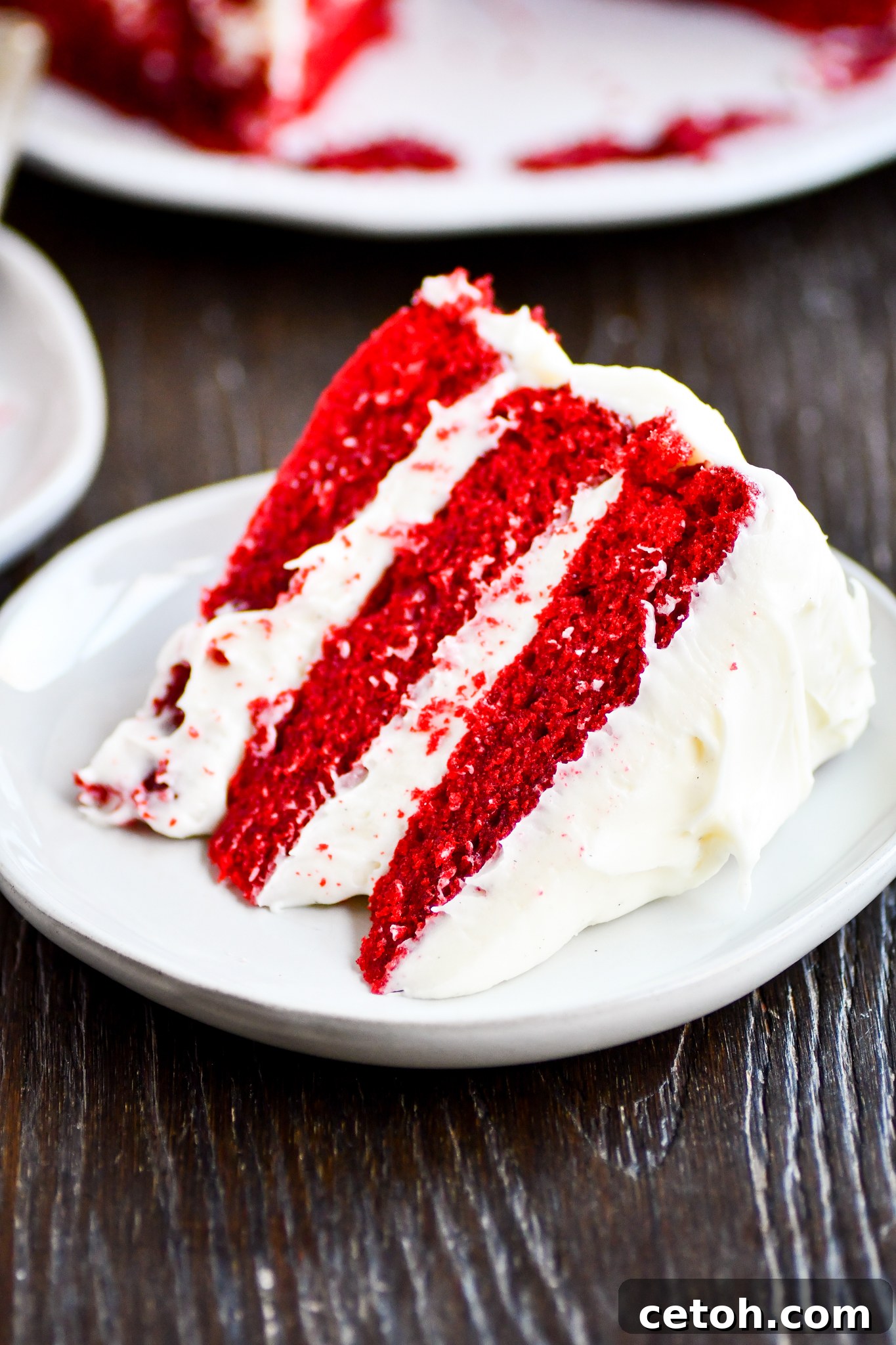
Master the Iconic Cakeman Raven Red Velvet Cake Recipe
Few desserts evoke such a sense of classic charm and indulgent delight as the Red Velvet Cake. With its striking crimson layers, subtle cocoa notes, and the luxurious tang of cream cheese frosting, it’s a true masterpiece in the world of baking. Among the myriad of recipes available, one name stands out for its legendary status: Cakeman Raven. This isn’t just any red velvet cake; it’s a celebrated creation that has captivated palates from bustling New York City bakeries to countless home kitchens worldwide.
Kenneth Ravenell, affectionately known as Cakeman Raven, transformed this beloved dessert into an art form, crafting a recipe renowned for its incredibly moist crumb and perfectly balanced flavors. His Red Velvet Cake earned a cult following, establishing him as a culinary icon. Now, you have the opportunity to recreate this legendary treat right in your own home. Prepare to embark on a baking journey that will not only fill your kitchen with an irresistible aroma but also delight your taste buds with every single bite.
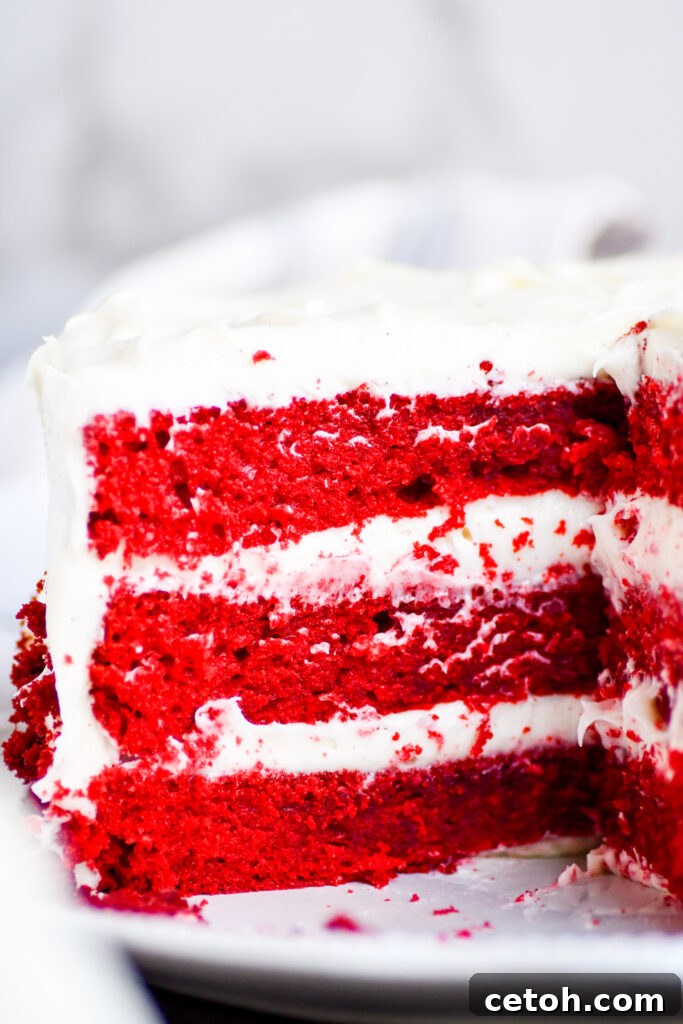
Indulge in the velvety goodness of Cakeman Raven Red Velvet Cake – a timeless classic!
Essential Ingredients for Cakeman Raven’s Red Velvet Cake
Achieving the signature taste, moist texture, and vibrant color of Cakeman Raven’s famous red velvet cake hinges on understanding the role of each carefully selected ingredient. Here’s a deeper dive into what you’ll need and why each component is crucial to your baking success.
- All-Purpose Flour: This forms the foundational structure of your cake, providing the necessary gluten for a tender, yet sturdy, crumb. Sifting the flour is key to ensuring an exceptionally light and airy texture in the finished product.
- Granulated Sugar: Beyond merely sweetening the cake, sugar plays a vital role in moisture retention, contributing to the cake’s characteristic softness and preventing it from drying out during baking. It also aids in achieving a beautiful golden-brown crust.
- Baking Soda: A powerful leavening agent, baking soda reacts with acidic ingredients like buttermilk and vinegar to produce carbon dioxide bubbles. This reaction causes the cake to rise beautifully, creating that desired light and fluffy texture.
- Unsweetened Cocoa Powder: Unlike a traditional chocolate cake, red velvet cake features a subtle hint of chocolate. Cocoa powder imparts a delicate depth of flavor that complements the tanginess and vibrant red hue without overpowering it. Historically, the reaction between acidic ingredients and natural cocoa powder also contributed to the reddish tint.
- Vegetable Oil: This recipe utilizes vegetable oil instead of butter, a choice that significantly enhances the cake’s moistness and ensures it stays tender for days. Oil helps to create a soft, even crumb and contributes to the cake’s velvety texture.
- Buttermilk: The star of red velvet’s unique tang and tenderness, buttermilk activates the baking soda, aiding in leavening. Its acidity also works to tenderize the gluten in the flour, resulting in an incredibly soft and fine crumb that truly lives up to the “velvet” name.
- Large Eggs: Eggs serve multiple critical functions: they act as a binding agent, emulsifying the batter and holding all the ingredients together. They also add richness, moisture, and contribute to the cake’s overall structure and rise. Ensure they are at room temperature for optimal mixing.
- Red Food Coloring: This ingredient is responsible for the cake’s iconic, show-stopping vibrant red color. While some historical recipes relied on natural reactions or beetroot, modern red velvet cakes typically achieve their intense hue with liquid or gel food coloring for consistent results.
- White Distilled Vinegar: More than just another acid, vinegar provides a crucial acidic component that reacts vigorously with baking soda, ensuring maximum lift and a tender crumb. Furthermore, its acidity enhances the red color and contributes to the subtle tang that defines red velvet cake.
- Vanilla Extract: A staple in most dessert recipes, vanilla extract deepens and rounds out the overall flavor profile, adding a warm, aromatic complexity that harmonizes beautifully with the subtle cocoa and tangy notes.
For the Irresistible Cream Cheese Frosting
No Cakeman Raven Red Velvet Cake is complete without its classic companion: a rich, tangy, and impossibly smooth cream cheese frosting. Here’s what makes it so special:
- Cream Cheese: The foundation of this iconic frosting, cream cheese lends its signature tangy flavor and luxurious creaminess, perfectly balancing the sweetness of the cake. Ensure it’s softened to room temperature for a smooth, lump-free frosting.
- Unsalted Butter: Butter adds richness, structure, and a silky smoothness to the frosting. It helps to balance the tanginess of the cream cheese while providing a stable base that holds its shape. Like cream cheese, room temperature butter is essential for proper emulsion.
- Powdered Sugar (Confectioners’ Sugar): This finely milled sugar sweetens the frosting and gives it its smooth, spreadable consistency. Sifting powdered sugar can help prevent lumps, ensuring a truly velvety frosting.
- Pure Vanilla Extract: A touch of vanilla enhances the overall flavor of the frosting, complementing both the cream cheese and butter with its warm, aromatic notes.
- Crushed Pecans: (Optional, but highly recommended!) Adding crushed pecans as a garnish introduces a delightful textural contrast and a nutty flavor that elevates the entire dessert. They provide a satisfying crunch against the soft cake and creamy frosting.
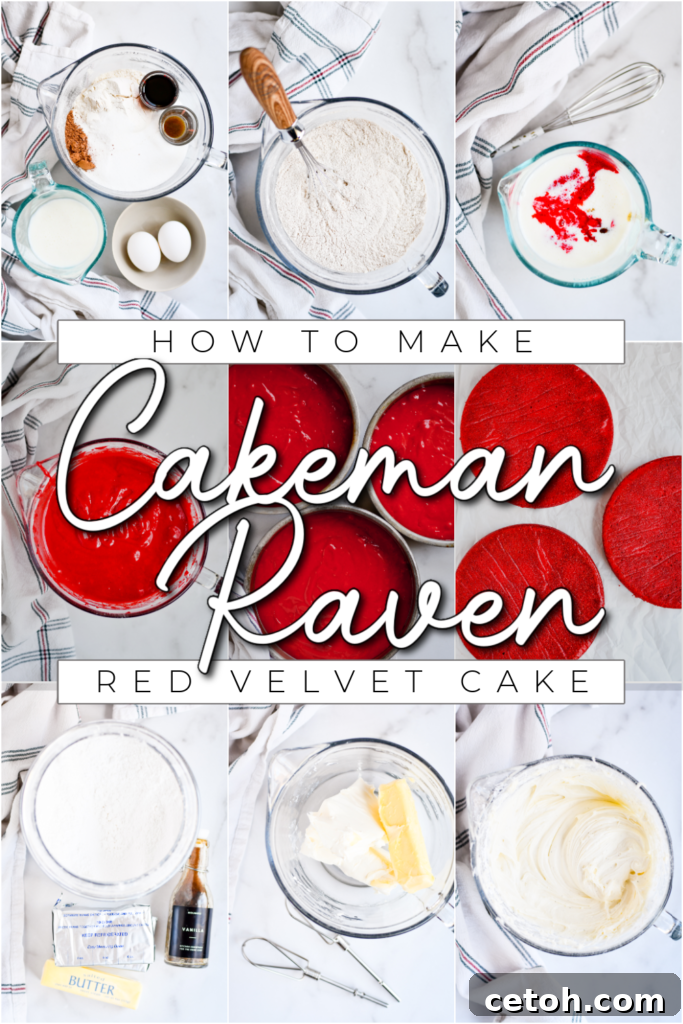
Master the art of baking with our step-by-step guide to Cakeman Raven Red Velvet Cake.
Who is the Legendary Cakeman Raven?
Cakeman Raven, whose full name is Kenneth Ravenell, is far more than just a baker; he’s a culinary legend who left an indelible mark on the dessert landscape, particularly in Harlem, New York City. His name became synonymous with the finest Red Velvet Cake, a signature creation that propelled him to widespread fame and garnered him a loyal, almost fanatic, following.
Ravenell’s journey to becoming “Cakeman Raven” was built on an unwavering passion for baking and a commitment to perfection. His Red Velvet Cake wasn’t just a dessert; it was an experience. It captivated customers with its exceptional taste, its distinctively moist and tender crumb, and its visually stunning appearance. For many, a trip to Harlem wasn’t complete without a slice of his famous cake.
Through his dedication, Ravenell earned recognition as a prominent figure in the culinary world, particularly cherished within the Harlem community where his beloved bakery thrived. His relentless pursuit of quality and his unique recipe for Red Velvet Cake created a legacy that continues to inspire bakers and delight dessert enthusiasts long after his bakery closed its doors. His influence cemented Red Velvet Cake’s status as a truly iconic American dessert.
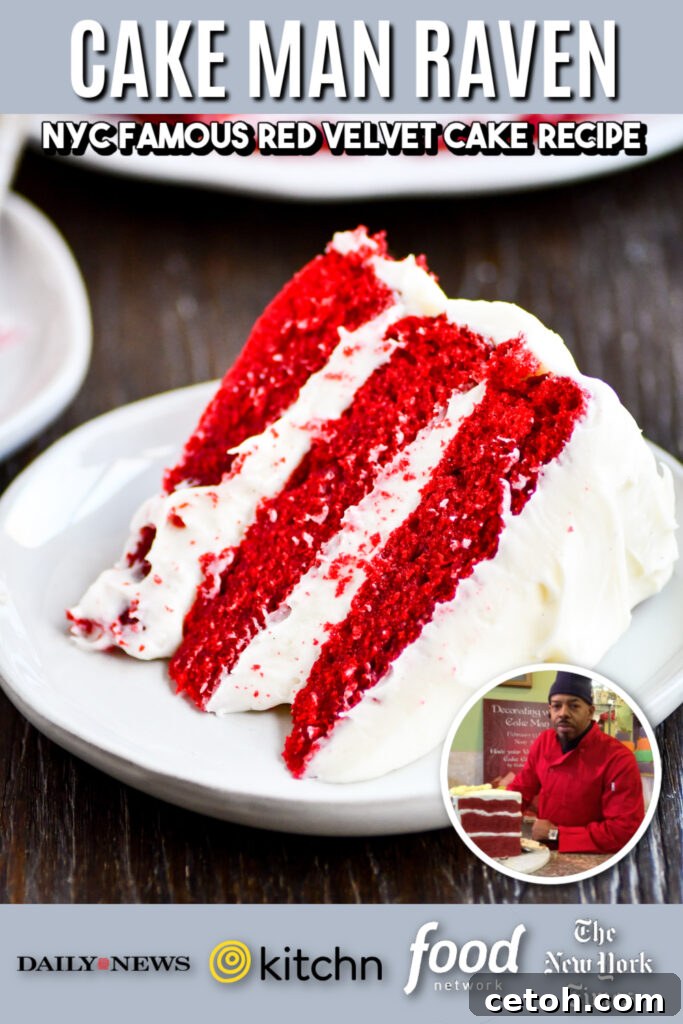
Unlock the secrets to baking perfection with our Cakeman Raven Red Velvet Cake recipe.
Decoding the Enigma: What’s the Real Story Behind Red Velvet Cake?
Is red velvet cake simply a dyed chocolate cake?
This is one of the most common misconceptions about red velvet cake, and while they share some ingredients, they are distinctly different desserts with unique characteristics. Red velvet cake possesses its own flavour profile, texture, and historical nuances that set it apart from a straightforward chocolate cake.
Here are the key distinctions that define red velvet cake and differentiate it from its chocolate counterpart:
- Flavor Profile: A traditional chocolate cake boasts a robust, intense chocolate flavor. Red velvet cake, however, features a much more subtle cocoa presence, often described as a faint chocolate note that is distinctly muted. Its flavor is predominantly characterized by a unique tanginess, derived from the generous use of buttermilk and vinegar, which creates a complex and balanced taste that is neither overly sweet nor intensely chocolatey. Vanilla extract further enhances this delicate balance, adding another layer of aromatic complexity.
- Texture: The “velvet” in its name isn’t just for show. Red velvet cake is renowned for its incredibly moist, tender, and fine crumb, often described as light and airy rather than dense. The interplay between acidic ingredients (buttermilk, vinegar) and baking soda creates a delicate structure. In contrast, chocolate cakes tend to be denser and can vary significantly in texture depending on the amount and type of cocoa or chocolate used. The oil-based nature of many red velvet recipes, including Cakeman Raven’s, also contributes significantly to its signature moistness and velvety mouthfeel.
- Color & Its Origins: While the vibrant red color is its most striking visual characteristic today, the historical origin of this hue is fascinating. Early red velvet cakes achieved their reddish tint through a chemical reaction between natural cocoa powder (rich in anthocyanins) and acidic ingredients like buttermilk and vinegar. This interaction, combined with a period when brown sugar was common, naturally produced a reddish-brown color. Modern recipes, however, often rely on red food coloring to achieve the intense, consistent crimson that consumers expect, making it a deliberate visual element rather than solely a chemical byproduct.
- Signature Frosting: Perhaps the most definitive pairing, red velvet cake is almost exclusively served with a rich, tangy cream cheese frosting. This frosting’s sweet-and-sour profile perfectly complements the cake’s subtle cocoa and tangy notes, creating a harmonious flavor experience. While chocolate cake can be paired with various frostings, including chocolate ganache or buttercream, cream cheese frosting is intrinsically linked to the identity of red velvet cake.
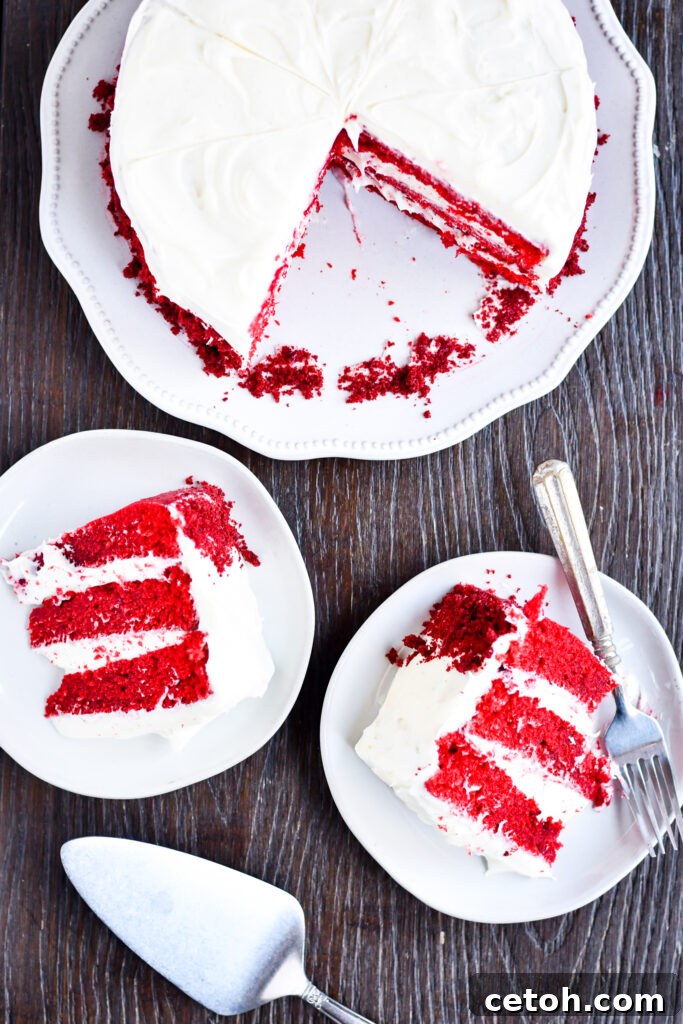
Experience the perfect blend of cocoa and cream cheese in Cakeman Raven Red Velvet Cake
Frequently Asked Questions About Red Velvet Cake
Why do you put vinegar in a red velvet cake?
Vinegar is a surprisingly crucial component in red velvet cake, serving multiple vital functions that contribute to its unique texture and even its iconic color. Primarily, vinegar is an acidic ingredient that reacts with baking soda (sodium bicarbonate), a leavening agent. This acid-base reaction produces carbon dioxide gas, which creates tiny bubbles throughout the cake batter. These bubbles expand during baking, causing the cake to rise, resulting in the characteristic light, fluffy, and tender crumb that defines a true “velvet” cake.
Beyond its leavening properties, the acidity from the vinegar also plays a significant role in tenderizing the gluten in the flour. This action helps to ensure the cake is incredibly soft and moist, preventing it from becoming tough or dry. The combination of vinegar and baking soda is a classic chemical leavening duo, creating a superior texture compared to recipes relying solely on baking powder or just baking soda with other acids.
However, vinegar’s role in red velvet cake shines even brighter due to its unique interaction with cocoa powder. Natural cocoa powder contains anthocyanins, natural pigments that can react with acids. Historically, this reaction, combined with ingredients like buttermilk and natural cocoa, helped to subtly enhance the reddish hues in the cake before artificial food coloring became commonplace. So, vinegar not only aids in leavening and tenderness but also contributes to the cake’s distinctive visual appeal.
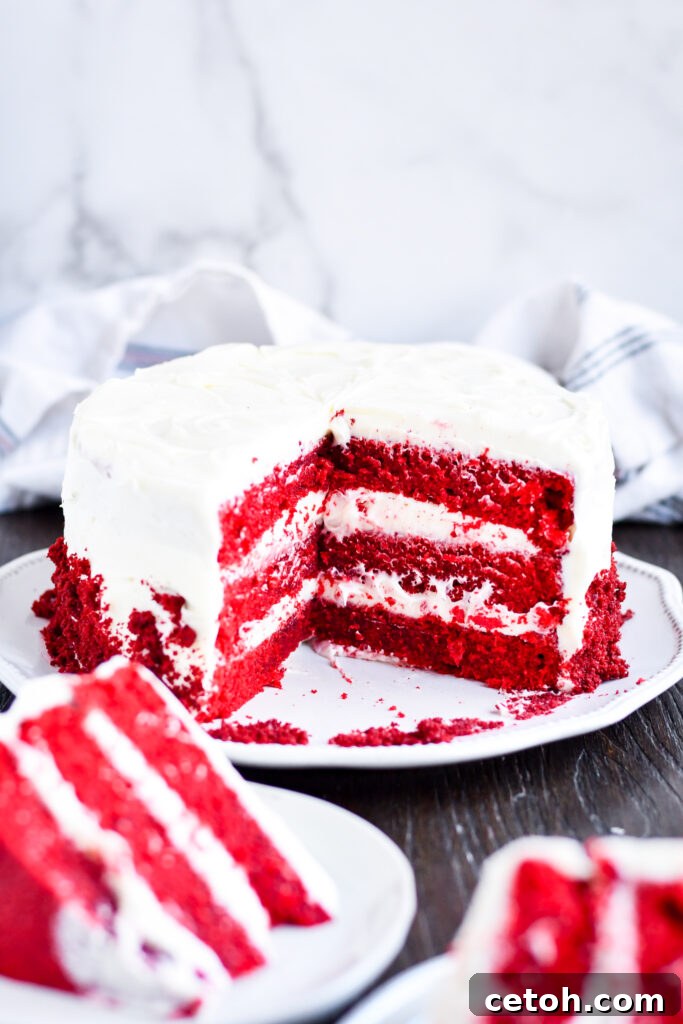
Impress your guests with the rich flavor and stunning presentation of Cakeman Raven Red Velvet Cake.
What filling goes well with Red Velvet Cake?
Red velvet cake’s subtle cocoa flavor and tangy notes make it wonderfully versatile when it comes to pairings. While the traditional cream cheese frosting is a beloved classic, there are several other delicious filling options that can complement its unique profile and elevate your dessert experience:
- Classic Cream Cheese Frosting: This is the quintessential choice, used both as a luscious filling between layers and as the crowning glory on top. Its creamy texture and characteristic tanginess perfectly balance the cake’s sweetness and hint of cocoa, creating an irresistible combination that is a hallmark of red velvet.
- Light & Airy Whipped Cream: For a lighter, fresher approach, a generous layer of whipped cream can be an exquisite filling. It adds a delicate sweetness and a wonderfully airy texture that contrasts beautifully with the dense cake. Pro Tip: To stabilize whipped cream for cake filling and ensure it holds its shape, add two tablespoons of instant pudding mix (vanilla or cheesecake flavor works well) to your regular whipped cream recipe before whipping.
- Bright Berry Jams (Raspberry or Strawberry): The vibrant tartness of a good quality raspberry or strawberry jam cuts through the richness of the cake and frosting, adding a burst of fruity flavor. The natural sweetness and acidity of the berries create a delightful counterpoint, making each bite more exciting.
- Rich Chocolate Ganache: For serious chocolate lovers, a smooth, decadent layer of chocolate ganache can transform red velvet cake into an even more indulgent treat. It adds a deeper cocoa flavor and a luxurious texture, perfect for special occasions.
- Smooth White Chocolate Buttercream: A vanilla or white chocolate buttercream offers a sweet and creamy alternative that won’t overpower the delicate cocoa notes of the red velvet cake. White chocolate, in particular, adds a lovely sweetness and subtle richness without competing with the cake’s primary flavors. For an amazing white chocolate buttercream, you might want to check out the recipe on the Dixie Crystals website.
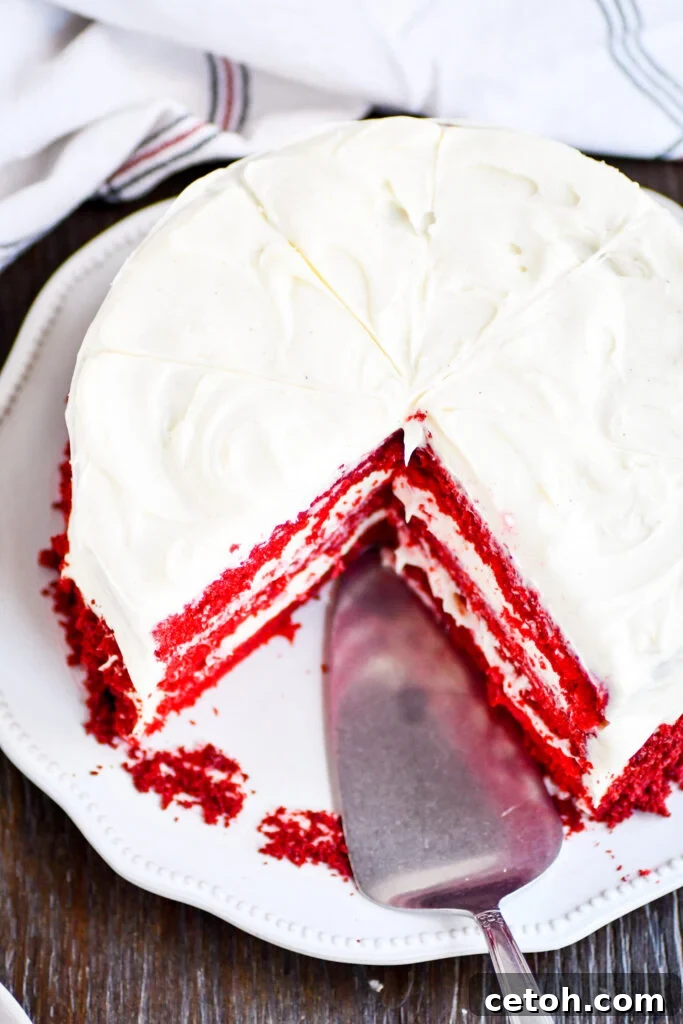
Unlock the secrets to baking perfection with our Cake Man Raven Red Velvet Cake recipe.
Tips for Baking the Perfect Cakeman Raven Red Velvet Cake
To ensure your homemade Cakeman Raven Red Velvet Cake turns out as legendary as the original, follow these expert tips:
- Room Temperature Ingredients are Key: Make sure your eggs, buttermilk, cream cheese, and butter are all at room temperature before you start. This allows them to emulsify properly, creating a smooth, cohesive batter and frosting that leads to a uniform texture.
- Sift Dry Ingredients: Don’t skip sifting your flour, sugar, cocoa powder, salt, and baking soda. This step aerates the ingredients and removes any lumps, ensuring a lighter cake with a finer crumb.
- Don’t Overmix the Batter: Once you combine the wet and dry ingredients, mix just until a batter forms. Overmixing develops gluten too much, which can result in a tough, dense cake. A few small lumps are perfectly fine.
- Proper Pan Preparation: Lightly grease your baking tins and line the bottoms with parchment paper rounds. This ensures your cake layers release cleanly and easily, preventing frustrating sticking.
- Bake Evenly: Divide the batter evenly between your two 8-inch round baking tins. You can use a kitchen scale for precision. This promotes even baking and ensures your layers are of similar height, making stacking and frosting much easier.
- Test for Doneness Accurately: Bake for the recommended time (35-40 minutes), but always perform the toothpick test. Insert a toothpick into the center of the cake; if it comes out clean or with a few moist crumbs, the cake is done. Overbaking can lead to a dry cake.
- Cool Completely Before Frosting: Patience is a virtue here! Allow your cake layers to cool completely in their pans on a wire rack for about 10-15 minutes, then invert them onto the rack to cool entirely. Attempting to frost a warm cake will result in melted, messy frosting.
- Achieve the Perfect Frosting Consistency: When making the cream cheese frosting, ensure your cream cheese and butter are thoroughly softened. Beat them together until completely smooth before gradually adding the powdered sugar. This prevents lumps and creates a wonderfully creamy, spreadable frosting.
Discover More Delightful Cake Recipes on Keat’s Eats
Our Favorite Amazon Finds for Baking Success
To truly master the Cakeman Raven Red Velvet Cake recipe and ensure a smooth, enjoyable baking experience, having the right tools on hand can make all the difference. Here’s a curated list of essential kitchen supplies that we highly recommend, conveniently available on Amazon:
- Durable Mixing Bowls: A versatile set of mixing bowls in various sizes is indispensable for combining and preparing your cake and frosting ingredients. We particularly love the reliability and ease of cleaning offered by this Anchor Hocking Batter Bowl. A bonus point for its convenient lid, perfect for storing leftover batter or frosting!
- Efficient Electric Mixer: An electric mixer is your best friend when it comes to whisking batters and achieving a perfectly smooth, fluffy frosting. Whether you opt for a powerful stand mixer or a nimble hand mixer, this tool will significantly streamline your process. Our top recommendation for convenience and performance is this fantastic cordless hand mixer from KitchenAid.
- Pre-cut 8-inch Parchment Rounds: These brilliant parchment paper circles are a game-changer for ensuring your cake layers release effortlessly from the pans and prevent any sticking disasters. You can easily find large packs of pre-cut 8-inch parchment rounds – they might seem like a lot, but they’re thin, store compactly, and you’ll be thankful to have them on hand for future baking adventures.
- Precision Offset Spatula: An offset spatula is an invaluable tool for any baker, making the tasks of spreading frosting evenly, smoothing cake surfaces, and carefully transferring layers much easier. The Ateco Offset Spatula Set is a fantastic investment, including multiple sizes to tackle various frosting and decorating tasks.
- Smooth Cake Turntable: While not strictly essential, a cake turntable dramatically simplifies the frosting process, allowing you to rotate your cake smoothly as you apply and smooth the frosting. I personally adore this professional-grade one from Ateco. For a more budget-friendly option that still delivers excellent results, the Kootek Aluminum Alloy Revolving Cake Stand boasts a multitude of glowing reviews.
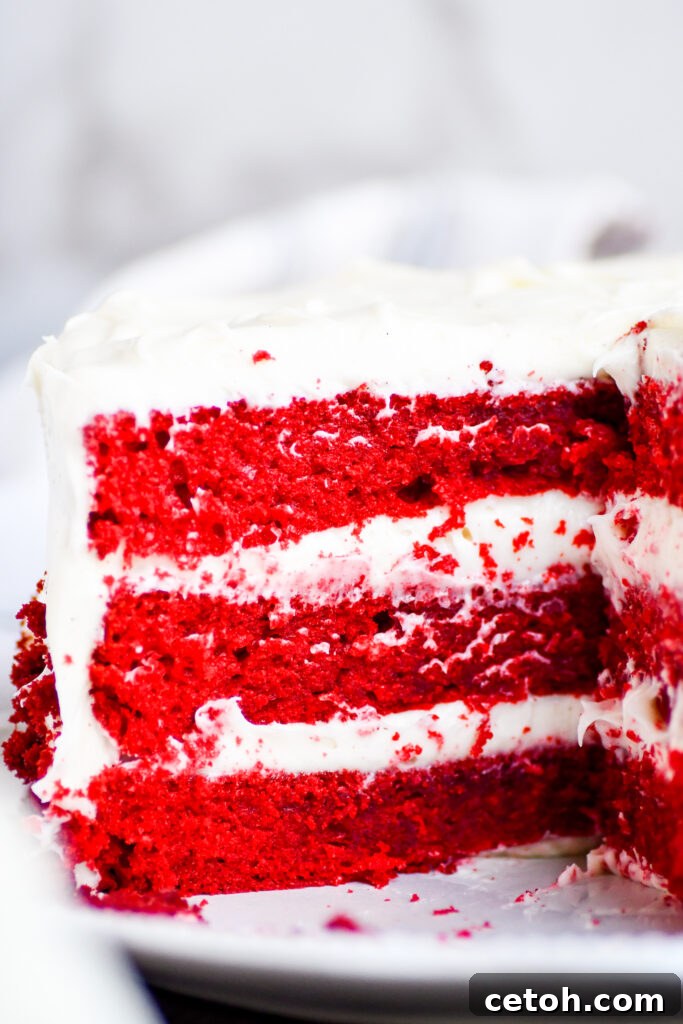
Celebrate any occasion in style with the show-stopping elegance of Cakeman Raven Red Velvet Cake.
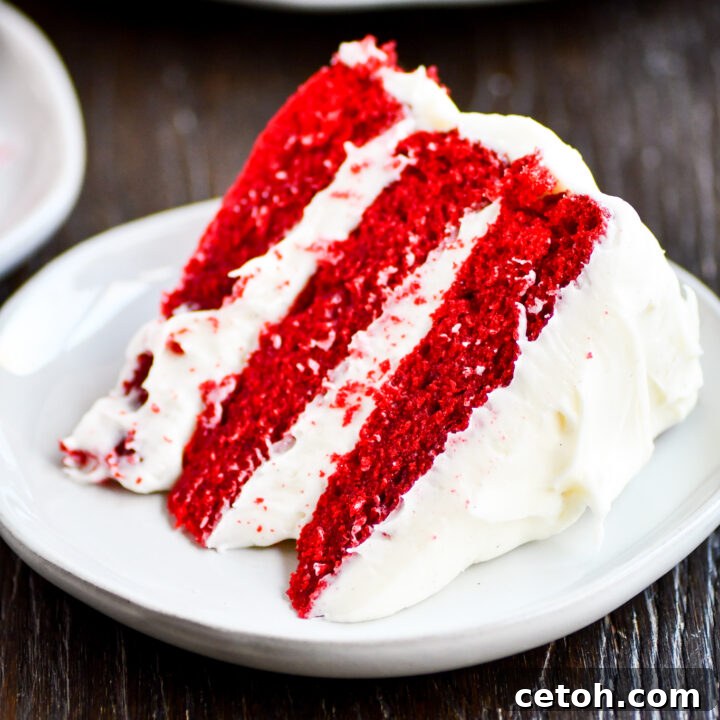
Cake Man Raven Red Velvet Cake
16 servings
30 minutes
40 minutes
1 hour 10 minutes
Master the art of baking with our step-by-step guide to Cakeman Raven Red Velvet Cake! This legendary recipe delivers an incredibly moist cake with a perfect velvety crumb and classic tangy cream cheese frosting.
Ingredients
- 2 1/2 cups all-purpose flour
- 1 1/2 cups granulated sugar
- 1 teaspoon baking soda
- 1 teaspoon fine salt
- 1 teaspoon unsweetened cocoa powder
- 1 1/2 cups vegetable oil
- 1 cup buttermilk, at room temperature
- 2 large eggs, at room temperature
- 2 tablespoons red food coloring (approximately 1 ounce)
- 1 teaspoon white distilled vinegar
- 1 teaspoon pure vanilla extract
For the Cream Cheese Frosting:
- 16 ounces cream cheese, softened to room temperature
- 1/2 cup unsalted butter, softened to room temperature
- 4 cups powdered sugar, sifted
- 2 tsp pure vanilla extract
- Crushed pecans, for garnish (optional)
Instructions
- Preheat your oven to 350ºF (175ºC). Lightly grease two 8-inch round baking tins and line the bottoms with parchment paper rounds for easy release.
- In a large bowl, sift together the all-purpose flour, granulated sugar, unsweetened cocoa powder, fine salt, and baking soda. Whisk well to combine thoroughly.
- In a separate large bowl, whisk together the room temperature buttermilk and vegetable oil. Gradually mix in the large eggs one at a time, ensuring each is fully incorporated before adding the next. Then, stir in the red food coloring, white distilled vinegar, and pure vanilla extract until the mixture is uniformly colored.
- Pour the wet ingredients into the dry ingredients. Mix on low speed with an electric mixer, or by hand with a spatula, just until a smooth batter forms. Be careful not to overmix, as this can lead to a tough cake.
- Divide the batter evenly between the two prepared 8-inch baking tins. You can use a kitchen scale for precision to ensure even layers.
- Bake for 35-40 minutes, or until a wooden toothpick inserted into the center of the cakes comes out clean or with only a few moist crumbs attached.
- Allow the cakes to cool in their pans on a wire rack for about 10-15 minutes before inverting them directly onto the wire rack to cool completely. Ensure cakes are entirely cool before frosting.
- Prepare the Cream Cheese Frosting: In a large bowl, using an electric mixer, beat together the softened cream cheese and unsalted butter until the mixture is smooth and creamy. Gradually add the sifted powdered sugar, one cup at a time, beating well after each addition until fully incorporated and smooth. Finally, mix in the vanilla extract.
- Once the cake layers are completely cooled, assemble and frost your cake. Spread a generous layer of cream cheese frosting between the two cake layers, then cover the top and sides of the cake with the remaining frosting. Garnish with crushed pecans if desired.
Recipe Notes & Expert Tips
Two ingredients heavily contribute to making this cake so incredibly moist: the vegetable oil and the buttermilk. The buttermilk works wonders by tenderizing the gluten, which results in an extra soft and delicate cake crumb. The “all-oil, no-butter” approach for the cake batter ensures maximum moisture, allowing the cake to remain wonderfully moist for several days after baking. Using oil also promotes a beautifully even bake, minimizing the “doming” often seen with butter-based cakes, so you’ll have perfectly flat layers ready for stacking without needing to trim them!
For the best results, always measure your flour correctly by spooning it into your measuring cup and leveling it off, rather than scooping directly from the bag. This prevents a dense, dry cake.
Did you make this recipe?
We’d love to hear about it! Please leave a comment on the blog or share a photo of your beautiful creation on Instagram using #CakemanRavenRedVelvet.