
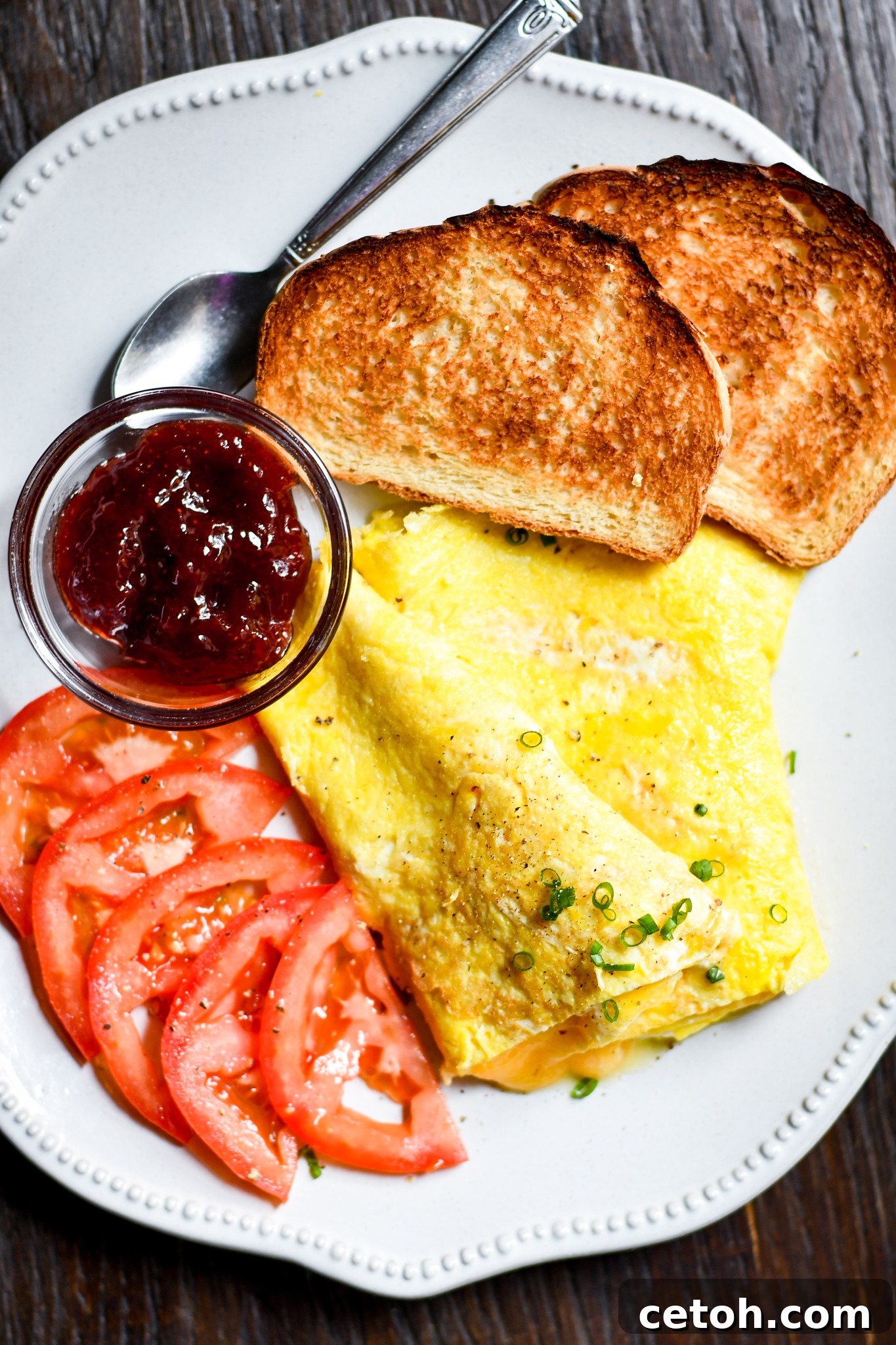
Master the Art: Gordon Ramsay’s Signature Perfect Cheese Omelette Recipe
There’s an undeniable allure to a perfectly crafted omelette – a culinary classic that transcends mere breakfast fare, transforming humble eggs into a symphony of textures and flavors. It’s a dish that seems simple on the surface, yet demands precision and a touch of finesse to achieve true perfection. When it comes to elevating everyday dishes to extraordinary heights, one name resonates with unparalleled authority: Gordon Ramsay.
Renowned globally for his exacting standards, fiery passion, and a philosophy that champions quality ingredients and impeccable technique, Chef Ramsay has demystified countless culinary challenges. His approach to the cheese omelette is no exception. Far from being just another recipe, it’s a masterclass in simplicity, revealing how a few core principles can lead to a breakfast masterpiece. This isn’t just about cooking; it’s about understanding the nuances of temperature, timing, and touch to create an omelette that is creamy, rich, and utterly melt-in-your-mouth.

Why Gordon Ramsay’s Omelette Stands Apart
What makes Gordon Ramsay’s cheese omelette so iconic? It’s his meticulous attention to detail and his emphasis on technique over complexity. He transforms what many consider a basic dish into an elegant culinary statement. This recipe isn’t about exotic ingredients or intricate preparations; it’s about honoring the natural goodness of eggs and cheese, ensuring every bite delivers a luxurious experience. It combines the velvety richness of perfectly cooked eggs with the savory, gooey delight of melted cheese, creating a harmonious balance that is both comforting and sophisticated.
His method highlights the importance of consistency and careful handling, ensuring the eggs remain light and airy while the cheese achieves that irresistible, molten core. It’s a dish that proves that with the right guidance, anyone can achieve restaurant-quality results in their own kitchen. Whether you’re a seasoned cook or a kitchen novice, Ramsay’s cheese omelette is a skill worth acquiring, promising to elevate your breakfast game to an entirely new level.
Essential Ingredients for Your Perfect Cheese Omelette
The beauty of Ramsay’s omelette lies in its minimalist ingredient list, emphasizing quality over quantity. Each component plays a vital role in achieving the desired texture and flavor profile. Sourcing fresh, high-quality ingredients will make a significant difference in the final product. Here’s what you’ll need, along with a bit more detail on why each choice matters:
What You’ll Need:
- High-Quality Olive Oil: A tablespoon of good quality olive oil is essential for greasing the pan, providing a delicate flavor base, and preventing sticking. Choose an extra virgin olive oil for its subtle fruitiness.
- Large, Fresh Eggs: Six large eggs form the heart of this omelette. Freshness is paramount here, as it contributes significantly to the omelette’s texture and richness. Ideally, opt for organic or free-range eggs for superior flavor and yolk color.
- Salt and Freshly Ground Black Pepper: Seasoning is key to unlocking the full potential of your eggs and cheese. A generous pinch of sea salt enhances the natural flavors, while freshly ground black pepper adds a subtle kick. Remember to season just before cooking to prevent the salt from breaking down the egg proteins too early.
- Unsalted Butter: A tablespoon of cold, unsalted butter is added towards the end of the cooking process. This is Ramsay’s secret weapon for achieving that signature creamy, glossy finish and adds an incomparable richness. Using unsalted butter gives you full control over the salt content of your dish.
- Shredded Cheese (Your Favorite Melting Variety): A quarter cup of shredded cheese is ample for a delicious filling. Ramsay often suggests classics like sharp cheddar, nutty Gruyère, or creamy Swiss. The key is to choose a cheese that melts beautifully, creating that irresistible gooey interior. Experiment with your favorites; Colby Jack, Monterey Jack, or even a blend of cheeses can yield fantastic results.
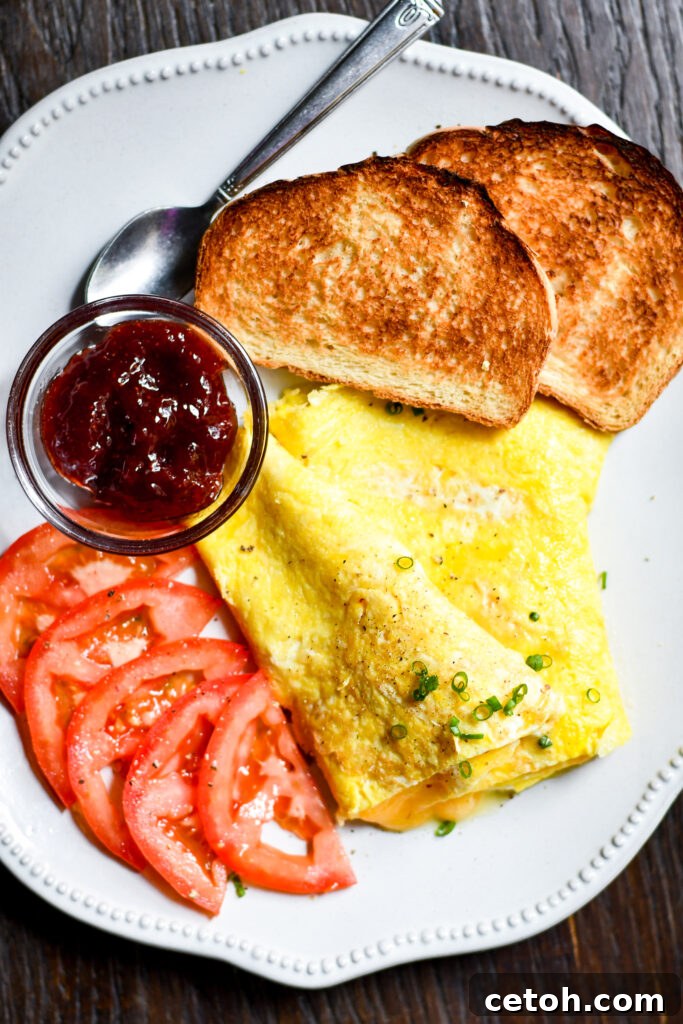
Mastering the Technique: Gordon Ramsay’s Method for a Flawless Omelette
The true magic of Gordon Ramsay’s cheese omelette lies in its elegant execution. It’s a dance of heat, timing, and gentle agitation that transforms simple ingredients into a delicate, creamy culinary delight. Follow these steps precisely, and you’ll unlock the secret to an omelette that rivals any professional kitchen.
Gordon Ramsay’s Perfect Cheese Omelette Recipe
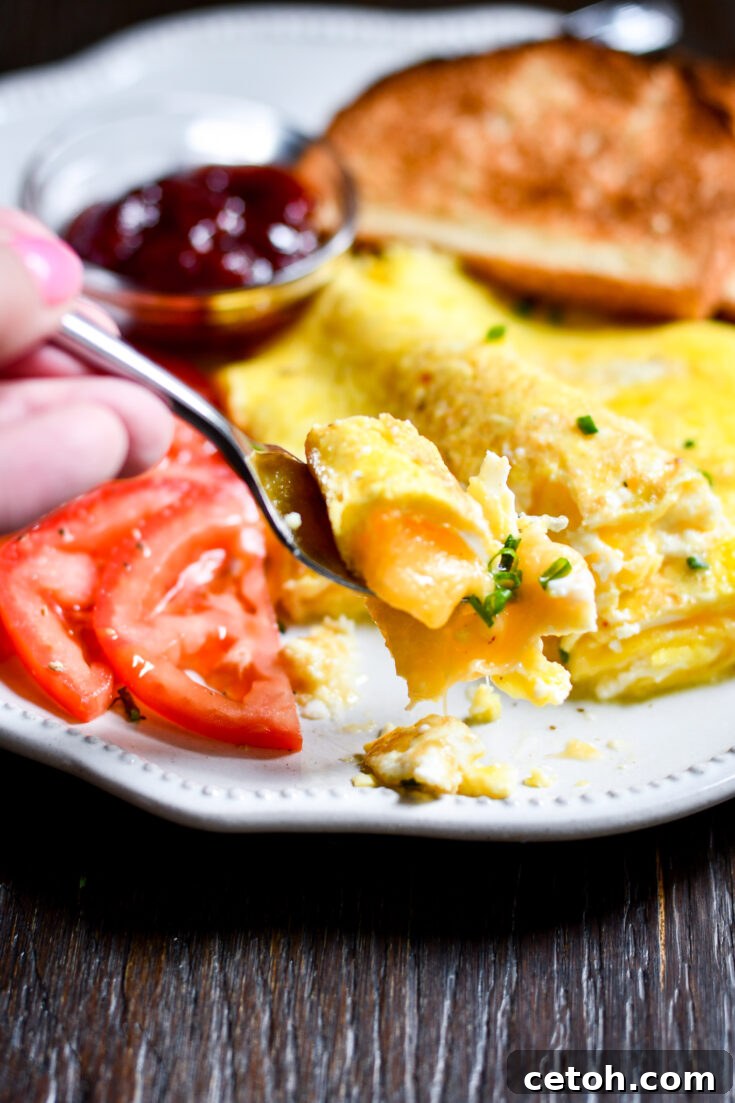
Gordon Ramsay’s Perfect Cheese Omelette is a masterpiece of simplicity and flavor. It’s a dish that combines the creamy richness of eggs with the melt-in-your-mouth goodness of cheese, creating a delicious harmony of texture and taste.
- Yield: 1 Serving
- Prep Time: 5 minutes
- Cook Time: 5 minutes
- Total Time: 10 minutes
Ingredients:
- 1 Tbsp olive oil
- 6 large eggs
- Salt and freshly ground black pepper to taste
- 1/4 cup shredded cheese (Cheddar, Gruyère, Swiss, or Colby Jack)
- 1 Tbsp cold unsalted butter
Instructions:
- Prepare the Pan: Place a non-stick skillet (ideally 10-12 inches) over low to medium-low heat. Allow it to heat gently and evenly.
- Coat with Olive Oil: Add the olive oil to the preheated pan. Tilt the pan to ensure the entire bottom surface and slightly up the sides are generously and evenly coated with the oil. This is crucial for preventing sticking.
- Whisk the Eggs: In a medium bowl, crack the 6 eggs. Whisk them vigorously with a fork or a small whisk until the yolks and whites are completely combined and slightly frothy, but avoid over-whipping to prevent excess air. Add a pinch of salt to the whisked eggs and mix again immediately before pouring them into the prepared pan.
- Begin Cooking the Eggs: Pour the egg mixture into the warm pan. Let the eggs sit for about 15-20 seconds to begin setting on the bottom. Then, using a fork or a rubber spatula, gently stir the eggs in small, quick circular motions from the center outwards, allowing the uncooked egg to flow underneath. Continue this gentle stirring until the edges are mostly set and the center is still very soft and custardy, resembling very soft scrambled eggs.
- Add Cheese and Season: Once the eggs reach this semi-set stage, spread the shredded cheese evenly over one half of the omelette. Add another small pinch of salt and a grind of fresh pepper over the cheese.
- Melt and Finish with Butter: Let the cheese begin to melt from the residual heat. Immediately add the cold butter in small pieces over the cheese and the uncooked parts of the omelette. For a completely solid yet creamy omelette, cover the pan briefly (about 1 minute) to allow the steam to finish cooking the top without drying out the eggs.
- Loosen and Fold: Remove the lid. Vigorously tap the pan handle against the counter or gently shake the pan to help loosen the omelette from the bottom. Use a flexible rubber spatula to carefully slide around the edges and gently underneath the omelette to ensure it’s not sticking anywhere.
- Tri-Fold and Serve: With the spatula, gently fold one side of the omelette over the cheesy filling, then fold the other side over to create a classic tri-fold. Carefully slide the perfectly cooked, creamy cheese omelette off the pan onto a warm serving plate. Serve immediately and enjoy!
Nutrition Information (per serving):
- Yield: 1
- Serving Size: 1
- Amount Per Serving:
- Calories: 765
- Total Fat: 63g
- Saturated Fat: 24g
- Trans Fat: 1g
- Unsaturated Fat: 34g
- Cholesterol: 1175mg
- Sodium: 998mg
- Carbohydrates: 3g
- Fiber: 0g
- Sugar: 1g
- Protein: 44g
Cuisine: American | Category: Breakfast
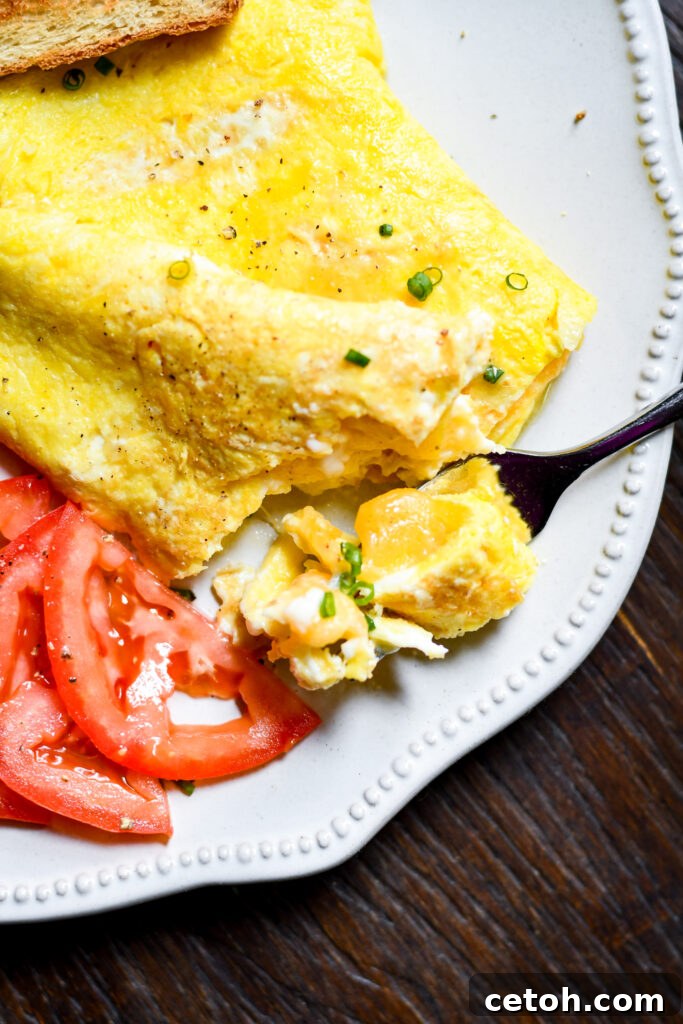
Expert Tips for a Flawless Gordon Ramsay Omelette
Achieving Gordon Ramsay’s perfect cheese omelette involves more than just following the steps; it’s about understanding the subtle techniques that make all the difference. These tips will help you refine your omelette-making skills and consistently produce a dish that’s both beautiful and delicious.
Key Strategies for Success:
- Master the Low and Slow Heat: This is arguably the most crucial tip. Resist the urge to crank up the heat. Cooking over low to medium-low heat allows the eggs to set gently and evenly, resulting in a creamy, tender texture. High heat will cook the outside too quickly, making it tough and rubbery while potentially leaving the inside raw. Patience is a virtue here.
- Invest in a Quality Non-Stick Pan: A good quality non-stick skillet is your best friend when making omelettes. It ensures that the eggs release effortlessly from the pan, making folding and serving a breeze. A 10-inch pan is ideal for a 3-4 egg omelette, while a 12-inch pan works well for a 6-egg masterpiece, allowing enough surface area for even cooking without overcrowding.
- Seasoning at the Right Time: Always season your whisked eggs with a pinch of salt and a dash of pepper just before pouring them into the hot pan. Salting too early can start to break down the egg proteins, affecting the texture. Proper seasoning enhances the natural flavors of both the eggs and the cheese.
- Creative Cheese Choices: While cheddar and Gruyère are excellent choices, don’t be afraid to experiment. Consider the melting properties and flavor profile. Swiss adds a nutty note, Monterey Jack offers mild creaminess, and a blend like Colby Jack can provide a good balance. For an extra touch of decadence, a sprinkle of Parmesan can elevate the flavor.
- Gentle Folding Technique: When it’s time to fold, approach it with care. The goal is to encase the warm, melted cheese without tearing the delicate egg. A flexible rubber spatula is invaluable for this. Gently fold one side over, then the other, or simply fold in half, ensuring the cheese remains gooey and contained within.
- Keep Your Eggs Cold: Start with cold eggs straight from the refrigerator. Cold eggs take slightly longer to cook, giving you more control over the cooking process and reducing the risk of overcooking, which can lead to a rubbery omelette.
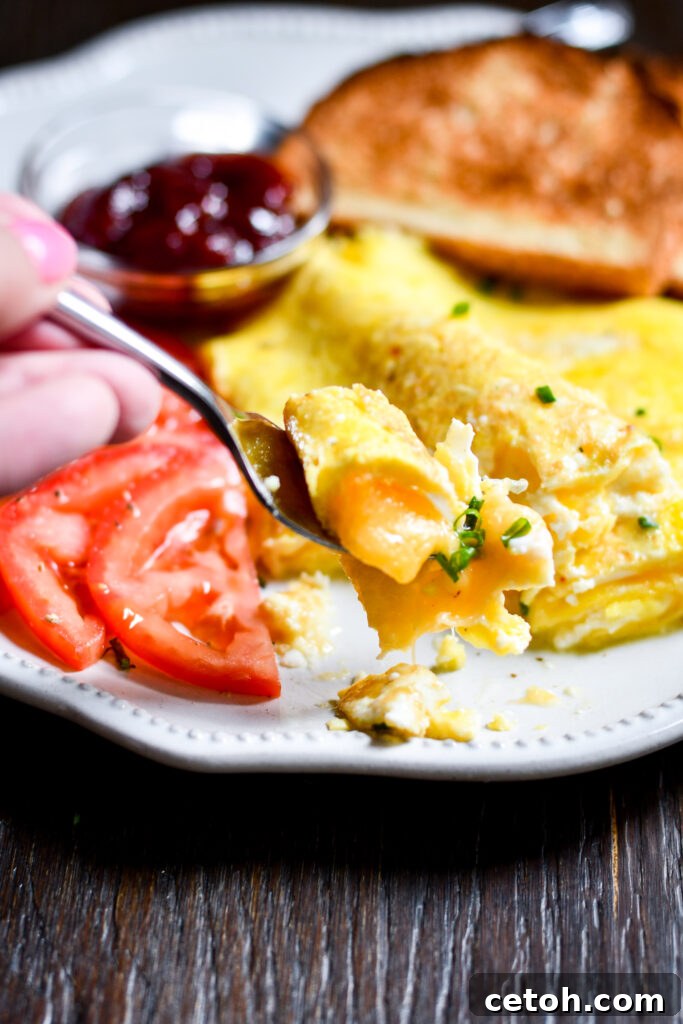
Troubleshooting: How to Prevent an Omelette from Sticking to the Pan
A sticking omelette can quickly turn a breakfast dream into a kitchen nightmare. But with the right techniques, you can ensure your omelette slides effortlessly from the pan every single time. Here are comprehensive strategies to prevent sticking and achieve a perfect release:
Pan Preparation Secrets:
- Non-Stick Pan is Non-Negotiable: As mentioned, a high-quality non-stick pan is your first line of defense. Its specialized coating creates a slick surface that food struggles to adhere to. If your pan is old and scratched, it might be time for an upgrade. I personally love the performance of my Caraway Nonstick Ceramic Cookware Set for this very reason.
- Preheat Properly: Always preheat your pan. Adding eggs to a cold pan is a recipe for sticking. A properly preheated pan forms an immediate barrier between the egg mixture and the pan’s surface, helping to prevent adhesion. Don’t let it get smoking hot, just warm enough.
- Use Sufficient Fat: Fat is your friend! A small but adequate amount of butter or oil is crucial. It acts as a lubricant, creating a non-stick layer. Don’t skimp on this step. Besides preventing sticking, butter also contributes significantly to the omelette’s flavor.
- Evenly Coat the Pan: Once your fat is melted (for butter) or shimmers (for oil), tilt and swirl the pan to ensure the entire cooking surface, including a little up the sides, is thoroughly coated. This uniform coating is vital. I find a small, silicone pastry brush incredibly useful for spreading the oil or butter perfectly across the pan.
- Control the Heat – Again! This cannot be stressed enough. Cooking over medium-low heat is essential. High heat can shock the eggs, causing them to bond fiercely to the pan’s surface and overcook rapidly. Low to medium-low heat allows for a gentle, controlled cook, giving you time to manage the eggs.
- Wait for the Right Moment: Patience is key before attempting any movement. Allow the bottom layer of the omelette to set sufficiently before you start stirring or trying to fold. If you try to manipulate the eggs too early, they are more prone to tearing and sticking to the pan. You’ll see the edges firm up and pull away slightly from the pan.
- Clean Your Pan Thoroughly: Ensure your non-stick pan is perfectly clean before each use. Residue from previous cooking can create sticky spots, even on a non-stick surface.

Achieving the Perfect Texture: How to Avoid Overcooking an Omelette
The hallmark of a truly great omelette, particularly a Gordon Ramsay-style one, is its creamy, tender texture. An overcooked omelette becomes rubbery, dry, and lacks that luxurious mouthfeel. Preventing this requires careful attention to heat and timing. Here’s how to ensure your omelette is always perfectly cooked:
Timing is Everything for Tender Eggs:
- Maintain Low to Medium-Low Heat: This is fundamental. Consistent, gentle heat allows the egg proteins to set slowly and evenly, maintaining their delicate structure. High heat forces the proteins to seize up too quickly, expelling moisture and resulting in a tough texture.
- Watch the Edges Intently: Your eyes are your best tool. Pay close attention as the edges of the omelette begin to set and pull away from the pan. The moment the edges are firm but the center still appears visibly moist and slightly runny, it’s the perfect time to add your fillings and prepare for folding. The residual heat will continue cooking the center.
- Harness Residual Heat: Remember that eggs continue to cook even after they’re removed from the heat source. To achieve that ideal custardy interior, take the omelette off the heat just before it reaches your desired level of doneness. It will continue to firm up for a minute or two on the plate.
- Utilize a Lid for Even Cooking: For those who prefer a more thoroughly set omelette without risking dryness, covering the pan with a lid for about 30-60 seconds after adding cheese can be a game-changer. The trapped steam gently cooks the top layer of the eggs, ensuring even cooking throughout without the need for flipping or higher heat. This is often my preferred method for consistent results.
- Practice Makes Perfect – Embrace Imperfection: Don’t be disheartened if your first few attempts aren’t flawless. Omelette making is an art that improves with practice. Each omelette teaches you more about your stovetop, your pan, and your personal timing. Eventually, you’ll develop an intuitive sense for when it’s just right.
- Limit Fillings to Prevent Overload: Overloading your omelette with too many cold or bulky fillings can extend the cooking time significantly, increasing the risk of overcooked eggs. Keep fillings moderate and ensure they are at room temperature or pre-cooked if necessary, to integrate smoothly and cook quickly.
- Prep All Ingredients in Advance (Mise en Place): Having all your ingredients (whisked eggs, shredded cheese, any other fillings) ready and within arm’s reach before you even touch the pan is vital. This ensures a seamless cooking process, allowing you to move quickly through the steps without delays that could lead to overcooking the delicate eggs.
Exploring Delicious Omelette Variations: Beyond the Cheese Classic
While Gordon Ramsay’s perfect cheese omelette is a masterpiece on its own, the beauty of omelettes lies in their incredible versatility. They serve as a fantastic canvas for a wide array of fillings, allowing you to customize them to your mood, available ingredients, or dietary preferences. Whether you’re craving something savory, herbaceous, or even a little bit spicy, there’s an omelette variation for everyone. These creative combinations provide a diverse range of flavors and textures, making them ideal for any meal – be it a hearty breakfast, a light brunch, or even a quick and satisfying dinner.
Here are five popular and delicious omelette variations we highly recommend trying:
- Western Omelette (Denver Omelette): A classic American diner staple, this variation is packed with flavor and texture. It typically includes diced ham, finely diced sautéed bell peppers (both red and green for color and sweetness), and sautéed onions. A sprinkle of shredded cheddar cheese is often added for extra richness, though it’s optional.
- Spinach and Feta Omelette: A Mediterranean-inspired delight that’s both healthy and incredibly flavorful. This omelette features fresh spinach leaves, lightly wilted, combined with tangy crumbled feta cheese. Sautéed onions can be added for depth, and chopped fresh herbs like dill or parsley beautifully complement the feta and spinach.
- Mushroom and Swiss Omelette: Earthy and sophisticated, this omelette celebrates the robust flavors of mushrooms and Swiss cheese. Sliced mushrooms (cremini, button, or even wild mushrooms work wonderfully) are sautéed until tender, then paired with shredded Swiss cheese, known for its nutty flavor and excellent melting properties. A hint of fresh thyme or chives can elevate this combination.
- Spanish Omelette (Tortilla Española): More akin to a thick, rustic frittata, the Spanish omelette is a hearty dish that can be served hot or cold. It’s made with eggs, thinly sliced and parboiled potatoes, and often sautéed onions, all cooked slowly in olive oil until a thick, golden “cake” forms. It’s robust, satisfying, and deeply flavorful.
- Greek Omelette: Bursting with Mediterranean zest, a Greek omelette is vibrant and fresh. Key ingredients include chopped ripe tomatoes (seeds removed for better texture), briny Kalamata olives (pitted and chopped), thinly sliced red onions, and, of course, crumbled feta cheese. Fresh oregano or basil can be added to enhance its aromatic profile.
These ingredient lists provide the foundation for each omelette variation. Feel free to adjust quantities based on your taste preferences, and don’t forget to season generously with salt and pepper as needed to bring out the best in each component. The possibilities are truly endless!
Watch Gordon Ramsay in Action: The Perfect Omelette Explained
Sometimes, seeing is believing, especially when it comes to mastering culinary techniques. Gordon Ramsay himself has demonstrated his perfect omelette method countless times, offering invaluable visual cues that written instructions can only begin to capture. Watching him swirl the eggs, add the butter, and execute the effortless fold can provide the final piece of the puzzle to perfect your own omelette. Get ready to learn from the master!
More Culinary Inspiration from Gordon Ramsay
Gordon Ramsay’s culinary genius extends far beyond the perfect cheese omelette. If you’ve enjoyed mastering this fundamental dish, you’ll be thrilled to explore more of his iconic recipes. Each one offers a chance to refine your skills and bring world-class dining into your home kitchen. Dive into these other essential Gordon Ramsay creations and continue your culinary journey:
- Gordon Ramsay’s Perfect Cheese Omelette Recipe: A deeper dive into the very dish you’ve just mastered, with additional insights and tips.
- Gordon Ramsay’s Perfect Steak Method: Learn the secrets to a restaurant-quality steak, perfectly seared and incredibly tender, right in your own kitchen.
- Make Perfect Scrambled Eggs Like Gordon Ramsay: Discover his unique, creamy technique for scrambled eggs that will revolutionize your breakfast.
- Gordon Ramsay’s Perfectly Poached Egg: Master the delicate art of poaching eggs, achieving that coveted runny yolk and firm white every time.
Your Journey to Omelette Perfection Begins Now
The perfect cheese omelette, as taught by Gordon Ramsay, is more than just a recipe; it’s a foundation. It teaches you patience, precision, and the power of quality ingredients. With these detailed instructions and expert tips, you are now equipped to create a truly exceptional omelette every time. So grab your pan, crack those eggs, and embark on a delicious culinary adventure. Your journey to omelette perfection starts now – and remember, practice makes perfect!