
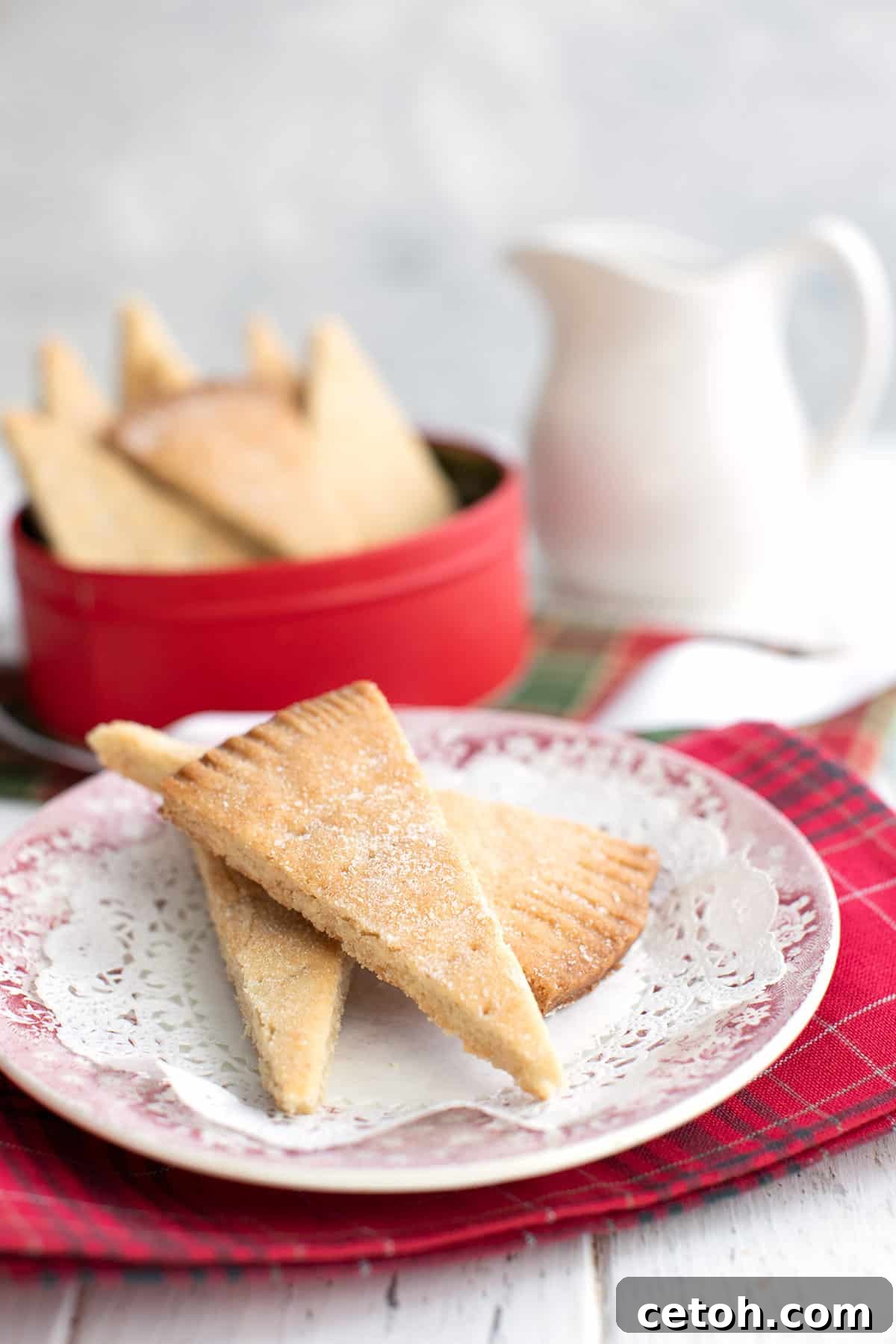
Melt-in-Your-Mouth Keto Shortbread Cookies: A Low-Carb Dream
Discover the ultimate guilt-free indulgence with our incredible Keto Shortbread Cookies. These buttery, tender treats are designed to absolutely melt in your mouth, delivering all the classic, comforting flavor of traditional shortbread but with a mere fraction of the carbs. Crafted with almond flour, these cookies are not just a delicious dessert; they’re a perfect fit for your low-carb lifestyle, proving that you don’t have to compromise on taste to stay on track.
There’s something truly magical about shortbread cookies, especially during the holiday season. They hold a deeply cherished place in my heart, often appearing in our stockings on Christmas morning as a standard festive delight. This nostalgic connection inspired a dedicated quest to perfect a keto shortbread recipe that not only rivals but truly lives up to the original in both exquisite taste and delicate texture.
The ideal shortbread, in my opinion, must possess a tender yet firm consistency, characterized by that signature sandy bite that gracefully yields and melts in your mouth. It needs to strike a perfect balance of sweetness, avoiding any cloying sensation, and benefit from a hint of salt that wonderfully enhances its rich, buttery flavor. My passion for shortbread is profound, so rest assured, this recipe is meticulously developed and absolutely worth every moment!
If you’re a fan of these delightful treats, you might also enjoy exploring my keto macadamia shortbread for an added nutty twist, or perhaps my renowned keto butter pecan cookies, another testament to delicious low-carb baking.
The Enduring Appeal of Shortbread (and Its Keto Transformation)
Classic shortbread cookies are celebrated for their elegant simplicity, requiring just four fundamental ingredients: butter, sugar, flour, and salt. Their magic lies in the precise proportions of these components, which yield a cookie that is inherently buttery, subtly crisp, and astonishingly tender. Achieving this delicate balance with keto-friendly ingredients presents a unique challenge, primarily because alternative flours lack gluten, often resulting in a crumbly texture. Many low-carb recipes attempt to circumvent this by incorporating eggs, but this fundamentally alters the cookie’s consistency, making it less tender and diminishing that signature melt-in-your-mouth quality.
I firmly believe that authentic shortbread should be egg-free; otherwise, it veers away from its true essence. My extensive experimentation confirmed that eggs are indeed unnecessary. The secret, much like traditional shortbread, is all about perfecting the ratio of ingredients. While a small amount of xanthan gum is included to enhance the dough’s strength and minimize fragility, it is an optional addition that can be omitted if preferred. This thoughtful approach ensures our keto shortbread cookies maintain the integrity and delightful experience of their high-carb counterparts.
By carefully selecting and balancing the ingredients, we successfully recreate the distinctive sandy texture and rich flavor that define great shortbread. This means you can enjoy a genuinely authentic experience without sacrificing your ketogenic goals. It’s a testament to the fact that with the right knowledge and dedication, classic treats can be reimagined to fit any dietary preference, bringing joy and satisfaction to every bite.
Crafting Your Keto Shortbread: Wedges and Playful Cut-Outs
Shortbread is wonderfully versatile, gracing our tables in various shapes and forms. From simple, elegant wedges and sturdy sticks to intricately cut-out designs adorned with additional flavors or inclusions, its adaptability is part of its charm. This recipe offers a foundational keto shortbread dough that serves as a perfect canvas for your culinary creativity, allowing you to customize it to your heart’s content. I’ll guide you through two distinct methods for shaping these delectable cookies, ensuring you can achieve both classic and festive presentations.
The traditional wedge shape, often associated with authentic Scottish shortbread, is a timeless choice. This method is prominently featured in The Ultimate Guide to Keto Baking, providing a classic and elegant presentation. However, for those who love to infuse a bit of fun and festivity into their baking, I also demonstrate how to roll out the dough and create delightful cut-out cookies. To spark your imagination, I’ve included some mini keto chocolate chips in the example, showcasing just one of many ways you can effortlessly adapt the base recipe and enjoy experimenting with different additions.
Whether you prefer the traditional charm of wedges or the playful appeal of cut-outs, this keto shortbread recipe empowers you to create beautiful and delicious cookies that cater to any occasion or mood. Prepare to embark on a delightful baking adventure that yields perfect keto shortbread cookies every time. Let’s get baking!
Essential Ingredients for Perfect Keto Shortbread
Crafting the perfect keto shortbread hinges on selecting the right ingredients. Each component plays a crucial role in achieving that coveted melt-in-your-mouth texture and rich flavor. Here’s a detailed look at what you’ll need and why:
This post may contain Amazon or other affiliate links. As an Amazon Associate I earn from qualifying purchases.
- Almond Flour: For these keto shortbread cookies, finely ground, blanched almond flour is truly indispensable. Its fine texture and specific fat content are crucial for replicating the delicate, sandy crumb of traditional shortbread. Other nut or seed flours tend to be too coarse, leading to a crumbly, undesirable consistency. Similarly, coconut flour, while low-carb, absorbs too much liquid and can result in tough rather than tender cookies, failing to deliver the authentic shortbread experience we’re aiming for.
- Powdered Erythritol Sweetener: The choice of sweetener is paramount for achieving the characteristic crisp texture of shortbread. It is vital to use an erythritol-based sweetener. I consistently recommend Swerve Confectioners, but Lakanto also works beautifully. Be warned: alternative sweeteners like allulose, xylitol, or BochaSweet will make the cookies too soft, preventing them from developing the desired crispness. Powdered sweeteners are ideal as they blend seamlessly into the dough, though granular erythritol can be used if that’s all you have on hand.
- Butter: High-quality butter is the heart of any great shortbread. Ensure your butter is very cold and cut into small pieces before use. The chill of the butter is absolutely key to creating that tender-crisp texture that defines perfect shortbread. Keeping it chilled until you’re ready to incorporate it into the dough prevents it from softening prematurely, which could negatively impact the final cookie structure.
- Xanthan Gum: A small addition of xanthan gum works wonders by lending structural integrity to the almond flour dough, making it less fragile and easier to handle. While optional, I highly recommend including it for a more robust and less crumbly cookie. It acts as a binder, mimicking some of the properties of gluten without adding carbs.
- Vanilla Extract: A touch of vanilla extract is essential for rounding out the flavors and contributing to that classic shortbread taste. However, don’t feel limited to this standard. Feel free to unleash your creativity and experiment with other delightful extracts like almond, rich caramel, or even bold coffee to create your unique flavor profile.
- Salt: A pinch of fine sea salt is not merely a seasoning; it’s a flavor enhancer. In shortbread, salt plays a critical role in balancing and elevating the sweetness, bringing out the profound buttery notes and creating a more complex and satisfying taste experience.
- Optional Add-ins: Get creative with your shortbread! Consider folding in vibrant sugar-free sprinkles for a festive look, delicate mini chocolate chips for a touch of cocoa, finely chopped nuts for extra crunch, tangy sugar-free dried cranberries, or bright orange zest for a burst of citrus. These additions allow you to personalize your keto shortbread cookies for any occasion.
Step-by-Step Directions to Bake Your Keto Shortbread
Follow these detailed instructions to create perfect keto shortbread cookies, whether you prefer classic wedges or fun cut-out shapes.
Prepare the Dough:
- Preheat your oven to 300ºF (150°C). Line a cookie sheet with either a silicone baking mat or parchment paper; this helps prevent sticking and ensures even baking.
- In a food processor, combine the almond flour, powdered erythritol sweetener, xanthan gum (if using), and salt. Pulse a few times until these dry ingredients are well combined.
- Scatter the chilled, small pieces of butter over the dry mixture. Add the vanilla extract. Pulse again until the mixture transforms into coarse crumbs and just begins to cling together. Be careful not to overmix; you want the butter to remain distinct.
- If you plan to add mini chocolate chips or any other mix-ins, transfer the dough to a medium bowl. Gently stir in your chosen additions until they are evenly distributed throughout the dough.
To make classic shortbread wedges:
- Remove the bottom of a 9-inch springform pan and place only the sides on your prepared baking sheet, ensuring the clip is closed. Press the dough firmly and evenly inside the pan sides to form a perfect circle. Carefully loosen and remove the springform pan sides, leaving the dough circle on the baking sheet.
- Using a large, sharp knife, carefully slice the circular dough into 12 to 16 even wedges. For a traditional look, gently press the tines of a fork around the edges of each wedge and/or create prick marks on the surface of the cookies.
- Bake for approximately 30 minutes, or until the edges of the shortbread begin to turn a light golden color. Remove the baking sheet from the oven and turn off the oven completely.
- While still warm, carefully recut the shortbread along the original slice lines to ensure clean breaks. Gently separate the wedges and space them out slightly on the cookie sheet for better air circulation.
- Return the spaced-out shortbread wedges to the warm, turned-off oven. Use a wooden spoon to prop the oven door open slightly, allowing a small gap. Let the shortbread sit inside for an additional 10 to 20 minutes; this slow cooling helps them crisp up without over-browning, until they are firm to the touch. Remove from the oven and allow them to cool completely on the baking sheet before handling.
To make festive cut-out cookies:
- Gather the prepared dough into a cohesive ball and transfer it to a silicone mat. Place a piece of parchment paper or waxed paper over the dough. Roll the dough out to an even thickness of 1/4 to 1/3 inch. It is crucial not to roll the dough too thinly, as this can make the cookies overly fragile.
- Using your favorite cookie cutters, cut the dough into desired shapes. Carefully transfer the cut-out shapes to your prepared baking sheet, ensuring they are not too close together.
- Bake for 20 to 25 minutes, or until the edges of the cookies just begin to turn golden.
- Turn off the oven. Prop the oven door open slightly with a wooden spoon, creating a small vent. Allow the shortbread cut-outs to remain in the warm oven for 10 to 15 minutes, or until they feel firm to the touch. This step helps them achieve maximum crispness. Remove from the oven and let them cool completely on the pan before moving.
Expert Tips for Unbeatable Keto Shortbread
While making Keto Shortbread Cookies is relatively straightforward, a few expert tips can elevate your results from good to absolutely fantastic. Pay attention to these details for the perfect batch:
- Harness the Power of a Food Processor: If you own a food processor, it’s your best friend for this recipe. It excels at evenly cutting the chilled butter into the dry ingredients, which is paramount for developing shortbread’s unique crumbly and tender texture. The rapid pulsing action prevents the butter from melting and ensures it’s distributed in tiny, uniform pieces. If a food processor isn’t available, the next best alternative is to use the large holes of a cheese grater to shred your cold butter. Then, incorporate it into the flour mixture with a rubber spatula or your fingertips until the mixture resembles coarse crumbs and just starts to come together. Avoid overworking the dough, as warmth from your hands can melt the butter.
- Springform Pan for Perfect Wedges (Optional but Recommended): While the sides of a 9-inch springform pan are ideal for creating a perfectly round base for your shortbread wedges, they aren’t strictly essential. If you don’t have one, you can still achieve a beautiful circular shape by gently patting the dough out evenly on your baking sheet. The key is to create a consistent thickness across the entire circle for even baking.
- Silicone Mats for Superior Baking: I strongly advocate for using silicone baking mats over parchment paper. Silicone mats provide excellent protection against over-browning on the bottom of your cookies, ensuring a golden, not burnt, finish. Beyond their baking benefits, they are also a more sustainable and reusable option compared to single-use parchment paper.
- Vigilant Baking for Optimal Texture: The baking process for shortbread involves two crucial stages, and monitoring your cookies closely is vital. During the initial bake, keep a keen eye on the edges; they should turn a delicate golden. If they appear too brown but the centers are still soft, remove them from the oven. The second stage, where they cool in the turned-off oven with the door propped open, is essential for achieving that desirable crispness without further browning. If, after cooling completely, your cookies feel softer than desired, you can place them back in a very warm (no more than 200ºF / 95°C) oven for another 10-15 minutes to crisp up further. Patience in this step yields the best results.
- The Importance of Chilled Butter: We’ve mentioned it, but it bears repeating. Cold butter creates pockets of steam during baking, which contribute to the flakiness and tenderness of the shortbread. Warm or melted butter will result in a denser, less desirable texture. Always start with butter straight from the fridge.
Frequently Asked Questions About Keto Shortbread Cookies
This keto shortbread cookie recipe is designed to yield approximately 12 servings. Each serving typically contains around 4.5g of total carbohydrates and 2.3g of fiber, resulting in a net carb count of just 2.2g per cookie. Please note that the exact carb count can vary slightly depending on the size of your cookies and any additional ingredients you choose to incorporate.
While almond flour makes exceptionally delicious keto shortbread, it’s not a direct 1:1 substitute for traditional wheat flour. Almond flour has a significantly different fat content and lacks gluten, which means the proportions of other ingredients in a recipe must be carefully adjusted. Attempting a simple swap will likely lead to a very different, and often unsatisfactory, result. For a more comprehensive understanding of how to successfully bake with almond flour and its unique properties, I highly recommend reading my tutorial on Baking with Almond Flour.
Absolutely! These keto shortbread cookies are wonderfully freezer-friendly, making them perfect for meal prepping or preparing ahead of a special occasion. You can bake them weeks or even months in advance. Simply allow the cookies to cool completely, then store them in an airtight container. They will keep beautifully in the freezer for up to 3 months, ready to be enjoyed whenever a craving strikes.
Once fully cooled, keto shortbread cookies should be stored in an airtight container at room temperature. They will maintain their freshness and crispness for up to a week. For longer storage, you can freeze them in an airtight container or freezer bag for up to three months. Thaw at room temperature before serving.
Chilled butter is a cornerstone of classic shortbread texture. When cold butter is cut into the flour, it creates tiny pockets within the dough. As the cookies bake, the water in these butter pieces turns into steam, which then expands and creates a light, flaky, and tender crumb. If the butter is too warm, it melts into the flour too quickly, resulting in a dense, chewy, and less desirable cookie.
Delightful Keto Shortbread Variations
This versatile keto shortbread recipe is a fantastic foundation for endless flavor possibilities. Don’t hesitate to get creative and make it uniquely yours! Here are some delicious ideas to inspire your next batch:
- Cranberry Orange Zest Shortbread: For a bright and festive twist, finely chop some sugar-free dried cranberries and fold them into the dough. Complement this with the vibrant zest of one orange for a burst of citrusy aroma and flavor. This combination is particularly delightful during the autumn and winter months.
- Espresso Infusion: Transform your shortbread into an elegant coffee-flavored treat by adding a few teaspoons of finely ground espresso powder or a rich espresso extract to the dough. This creates a sophisticated flavor profile that pairs wonderfully with a hot beverage. You can explore my dedicated recipe for keto espresso cookies for more detailed guidance.
- Chocolate-Dipped Elegance: Elevate your shortbread by dipping one side into melted keto-friendly chocolate. Whether you prefer the richness of dark chocolate, the creamy sweetness of milk chocolate, or the unique flavor of white chocolate (ensure it’s sugar-free!), this simple addition adds a layer of indulgence and visual appeal.
- Luscious Sandwich Cookies: Take your shortbread to the next level by transforming them into delightful sandwich cookies. Once cooled, spread a layer of rich keto chocolate frosting, a sugar-free caramel, or even a keto berry jam between two cookies. This creates a more substantial and utterly irresistible dessert.
- Nutty Crunch: Fold in finely chopped nuts like pecans, walnuts, or pistachios into the dough for added texture and a rich, earthy flavor. Toasting the nuts lightly before adding them can enhance their natural oils and aroma.
- Lemon Glaze Delight: For a tangy-sweet finish, whisk together powdered erythritol with fresh lemon juice to create a simple keto-friendly lemon glaze. Drizzle or spread it over the cooled shortbread for a bright, refreshing taste that contrasts beautifully with the buttery cookie.
Keto Shortbread Cookies Recipe
12
servings
25 mins
40 mins
1 hr 5 mins
Ingredients
- 2 1/4 cups (252 g) almond flour, finely ground, blanched almond flour
- 2/3 cup (121.33 g) powdered Swerve Sweetener, (see notes)
- 1/2 tsp (0.5 tsp) xanthan gum, (optional)
- 1/2 tsp (0.5 tsp) fine sea salt
- 6 tbsp (85.21 g) butter, chilled and cut into small pieces
- 1/2 tsp (0.5 tsp) vanilla extract
- 1/3 cup (60 g) mini keto chocolate chips, (optional)
Instructions
-
Preheat the oven to 300ºF and line a cookie sheet with a silicone baking mat or parchment paper.
-
In a food processor, combine the almond flour, sweetener, xanthan gum, and salt. Pulse a few times to combine. Scatter the butter over top, add the vanilla, and pulse until the mixture resembles coarse crumbs and begins to cling together.
-
To add mini chocolate chips, transfer the dough to a bowl and stir in the chips until evenly distributed.
To make shortbread wedges
-
Remove the bottom of a 9-inch springform pan and place the sides on the prepared baking sheet with the clip closed. Press the dough firmly and evenly inside the pan sides, then loosen and remove.
-
Use a large, sharp knife to slice the circle into 12 to 16 even wedges. Use the tines of a fork to decorate the edges and/or make prick marks in the wedges.
-
Bake for about 30 minutes, until the edges are becoming golden. Then remove and turn off the oven. Recut the shortbread along the cut lines and gently separate. Space out around the cookie sheet.
-
Return to the warm oven and use a wooden spoon to prop the door open slightly. Let the shortbread sit inside for another 10 to 20 minutes, until just firm to the touch. Remove and let cool completely on the pan.
To make cut outs
-
Gather the dough together into a ball and transfer to a silicone mat. Cover with a piece of parchment or waxed paper and roll out to 1/4 to 1/3 inch thickness. Do not roll too thinly.
-
Use cookie cutters to cut the dough into desired shapes, then place on the prepared baking sheet. Bake until the edges are becoming golden, 20 to 25 minutes.
-
Turn off the oven, prop the door open with a wooden spoon, and let the shortbread sit inside until just firm to the touch. Remove and let cool completely on the pan.
Notes
Sweeteners: Please note that it is critical to use erythritol-based sweeteners in this recipe. Keto shortbread cookies will not crisp up properly with any amount of allulose, BochaSweet, or xylitol.
Storage Information: Store the cookies in a covered container on the counter for up to a week. They can also be frozen for several months.
Nutrition
I’d love to know your thoughts, leave your rating below!