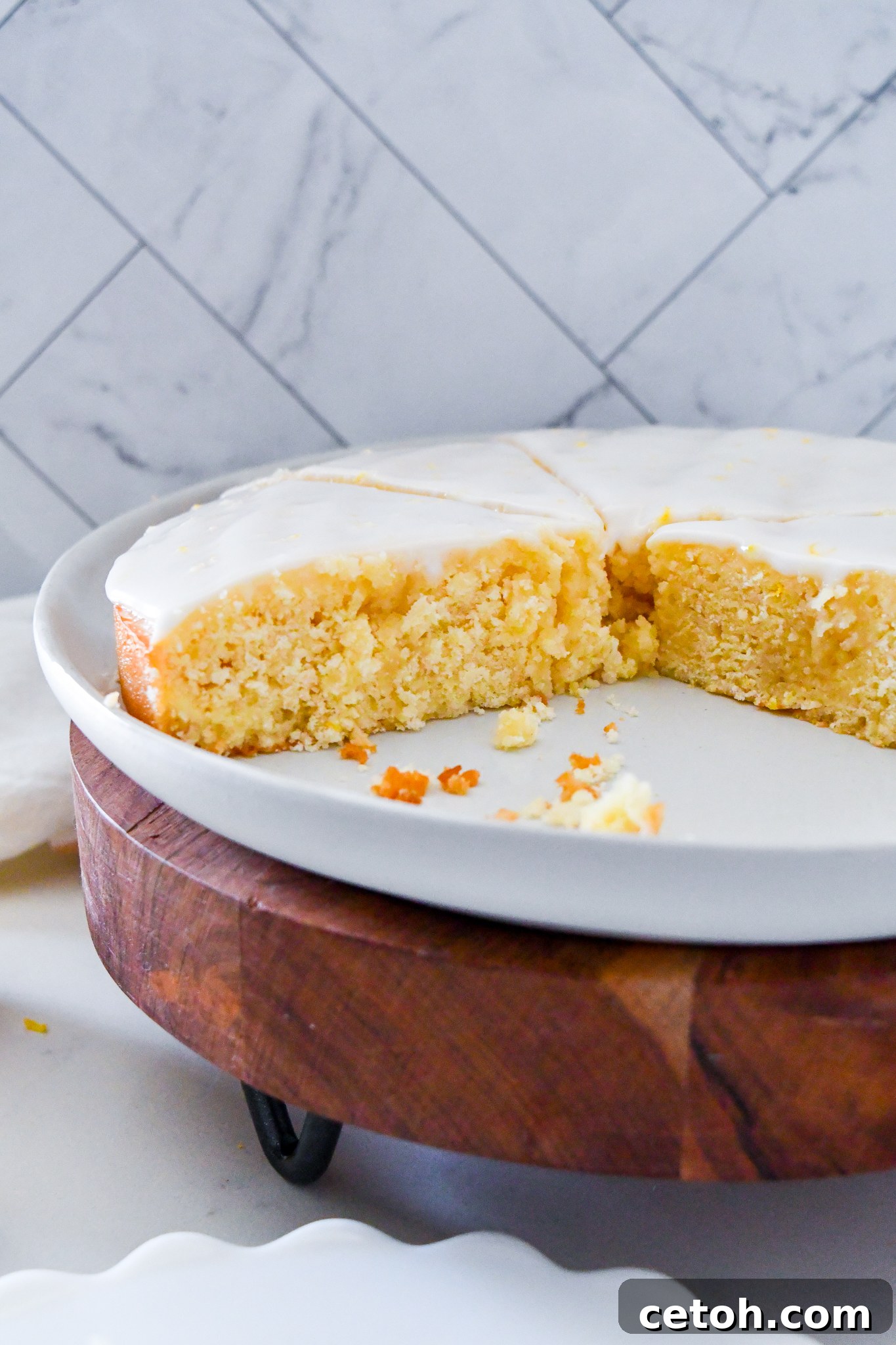
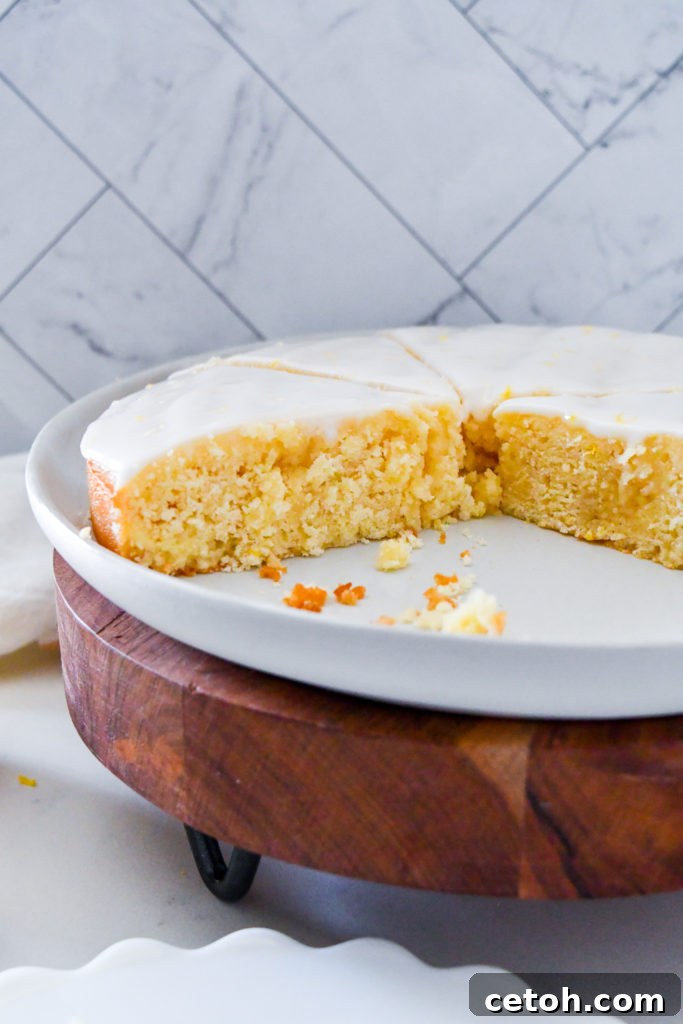
This Lemon Syrup Cake is dense like a pound cake, and soaked in a lemon syrup that keeps it moist and flavorful. The sweet glaze perfectly compliments the tartness of the lemon syrup. It’s a delicious choice for brunch or for a springtime dessert when entertaining.
The Ultimate Moist Lemon Syrup Cake: A Zesty Delight for Any Occasion
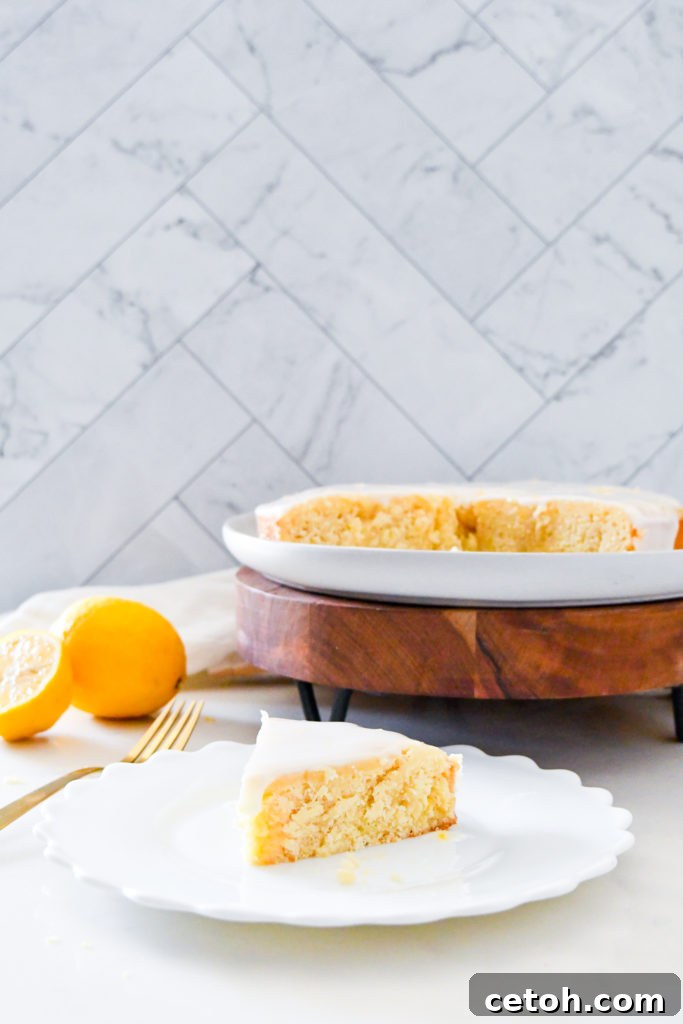
Prepare to elevate your dessert game with a recipe that promises an unparalleled experience: the Lemon Syrup Cake. This isn’t just any lemon cake; it’s a culinary masterpiece. Imagine a cake so rich and tender it feels like a dream, boasting the substantial texture of a classic pound cake, yet so incredibly moist it practically melts on your tongue. The secret lies in a generous soaking of vibrant lemon syrup, which infuses every fiber of the cake with irresistible flavor and ensures a decadent, long-lasting moisture. To crown this perfection, a bright, sweet-tart lemon glaze delivers a final flourish, perfectly balancing the cake’s richness and the syrup’s tang.
Whether you’re hosting an elegant brunch, searching for the quintessential springtime dessert, or simply craving a refreshing treat, this Lemon Syrup Cake is an exquisite choice that guarantees to delight. Its sunny disposition and luscious texture make it an instant crowd-pleaser and a memorable addition to any table.
Essential Ingredients & Baking Supplies for Your Perfect Lemon Syrup Cake
Creating an outstanding Lemon Syrup Cake begins with selecting high-quality ingredients and having the right tools at your disposal. Paying attention to these foundational elements will ensure your cake achieves its full potential in terms of flavor, texture, and overall enjoyment. Here’s a comprehensive look at what you’ll need.
Key Ingredients for a Flawless Lemon Cake Experience
Each ingredient plays a crucial role in developing the complex flavors and delightful texture of this cake. Opt for the best quality you can find, especially when it comes to fresh produce:
- ▢ All-Purpose Flour: The structural backbone of our cake. We recommend using an unbleached variety for consistency. While not strictly necessary, sifting your flour can lead to a lighter, airier crumb.
- ▢ Dixie Crystals Extra Fine Granulated Sugar: This type of sugar is ideal because its fine crystals dissolve quickly and evenly, contributing to a smooth batter and a wonderfully tender cake texture. It provides the essential sweetness that balances the lemon’s tartness in both the cake and the syrup.
- ▢ Eggs, room temperature: This is a crucial detail often overlooked. Room temperature eggs emulsify much more effectively with fats like oil, creating a smoother, more cohesive batter. This results in a better rise and a more consistent, finer crumb in the finished cake. Plan ahead and take them out of the refrigerator at least 30-60 minutes before baking.
- ▢ Buttermilk, room temperature: Another hero ingredient for moisture and tenderness. Buttermilk’s acidity reacts with the baking soda, enhancing the cake’s lift and contributing to its exceptionally tender crumb. Its subtle tang also beautifully complements the lemon flavor. Just like eggs, room temperature buttermilk integrates seamlessly into the batter.
- ▢ Baking Powder: A leavening agent that works to create gas bubbles in the batter, giving the cake its lift and ensuring a pleasant, open texture.
- ▢ Baking Soda: Activated by the acidic buttermilk, baking soda also provides leavening, contributing to the cake’s rise and overall tenderness.
- ▢ Salt: A pinch of salt is vital for enhancing all the other flavors, making the lemon brighter and the sweetness more profound. Don’t skip it!
- ▢ Vegetable Oil: Unlike butter, which can make cakes denser, vegetable oil contributes a profound moisture that keeps the cake tender and prevents it from drying out quickly. It also offers a neutral flavor, allowing the lemon to shine.
- ▢ Fresh Lemon Juice: Absolutely indispensable. Freshly squeezed lemon juice is used in the cake batter, the simple syrup, and the glaze, providing that signature bright, tart, and refreshing lemon taste. Avoid bottled lemon juice; its flavor simply doesn’t compare.
- ▢ Vanilla Extract: While lemon is the star, a touch of pure vanilla extract adds a wonderful warmth and depth, rounding out the flavor profile without competing with the citrus.
- ▢ Grated Lemon Zest: The true essence of lemon flavor! The zest, the brightly colored outer layer of the lemon peel, is packed with aromatic essential oils. It delivers an intense, natural lemon punch that juice alone cannot. It’s used in the cake batter and the glaze for maximum impact.
- ▢ Dixie Crystals Confectioners Icing Sugar (Powdered Sugar): This finely milled sugar is essential for achieving a smooth, lump-free, and beautifully opaque lemon glaze. It dissolves instantly, creating a perfect finish.
Recommended Baking Supplies for Efficiency and Excellence
Having the right tools can make your baking process smoother and ensure professional-looking results. Here are some key supplies that will be invaluable for this recipe:
KitchenAid Cordless Hand MixerAdd to Cart
9×13 Inch Baking Pan (or Bundt Pan)View on Amazon
Mixing Bowl SetView on Amazon
Measuring Cups & SpoonsView on Amazon
Silicone SpatulasView on Amazon
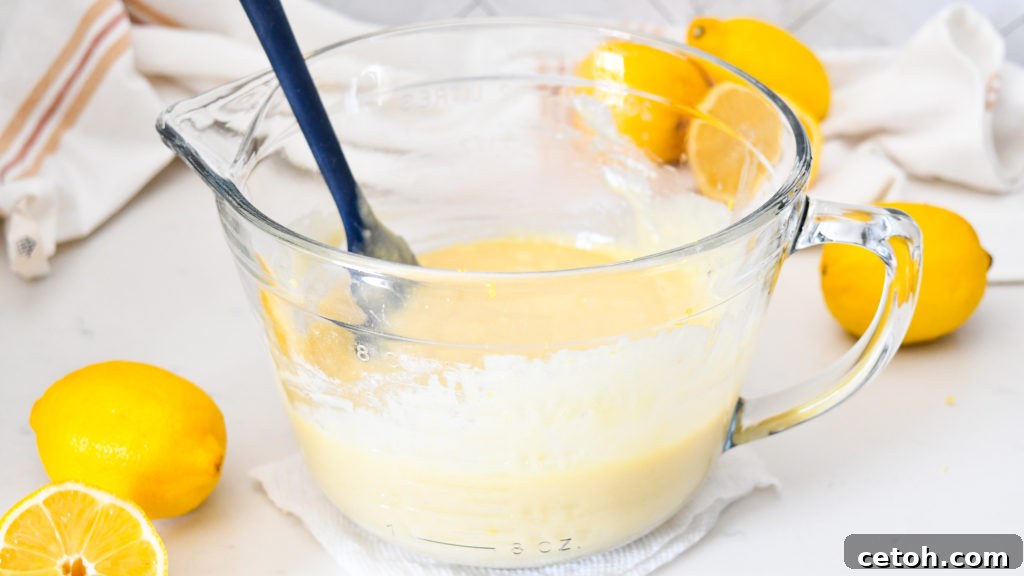
What Does Simple Syrup Do for Cake? The Ultimate Moistness Secret
The quest for an impossibly moist cake is a journey many home bakers embark on. For a long time, I, like many others, believed that the secret lay solely in the batter composition or the exact baking time. While these elements are crucial for a tender crumb and overall structure, the ultimate trick in achieving a cake that remains incredibly moist and flavorful for days, even weeks, after baking has nothing to do with the initial baking process itself. The real magic happens post-oven, with the application of simple syrup.
Simple syrup is exactly what its name suggests: a solution of sugar and water, often infused with flavors. In our Lemon Syrup Cake, this syrup is elevated with fresh lemon juice. The scientific beauty of simple syrup lies in sugar’s hygroscopic properties – its natural ability to attract and retain moisture. When warm syrup is drizzled over a freshly baked cake, it penetrates the crumb, filling the tiny air pockets and binding with the cake’s structure. This process actively replenishes moisture that might otherwise be lost during cooling and storage, effectively ‘preserving’ the cake’s freshness and tenderness.
Beyond Moisture: The Multifaceted Benefits of Simple Syrup
- Unrivaled Moisture Retention: This is the primary and most celebrated benefit. Cakes treated with simple syrup stay moist for significantly longer, often extending their shelf life by several days. This makes them perfect for baking in advance for special events.
- Intensified Flavor Profile: Simple syrup isn’t just about water and sugar. By infusing it with lemon juice, we’re not merely moistening the cake; we’re also saturating it with an additional, concentrated layer of bright, zesty lemon flavor. This means every bite is a burst of citrus that permeates from the inside out.
- Improved Texture: The syrup helps to create a more uniformly tender and luxurious texture throughout the cake, eliminating any potential dry spots and ensuring a consistently delightful mouthfeel. It can transform a slightly dry cake into something sublime.
- Enhanced Freshness: The added moisture helps prevent the cake from going stale quickly, ensuring that even on day three or four, your lemon syrup cake tastes as fresh and delicious as it did on day one.
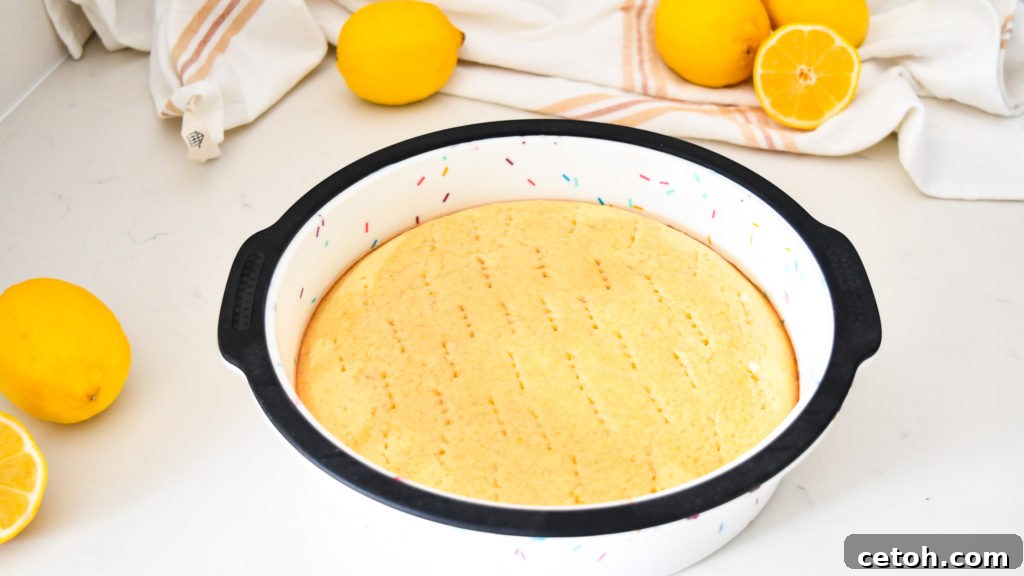
For this Lemon Syrup Cake, the application method is delightfully simple and highly effective. Once the cake is baked and still warm, use a fork or a skewer to gently poke numerous holes across its entire surface. These small channels act as pathways, allowing the warm lemon syrup to seep deep into the cake’s interior. As the cake rests and slowly cools on a wire rack, it gradually absorbs the syrup, drinking up all that extra moisture and rich lemon flavor. This patient absorption period is key to transforming your cake into an incredibly succulent and flavorful masterpiece.
How Do You Add Lemon Flavor to a Cake? A Triple Threat Strategy for Zesty Perfection
Achieving an authentic, vibrant lemon flavor in baking can be a delicate dance. Simply squeezing lemon juice into a batter often yields a flavor that’s too subtle or, conversely, too tart and watery. Relying on artificial lemon extracts can sometimes result in an overly sweet, candy-like taste that lacks the natural complexity of fresh lemons. For our Lemon Syrup Cake, we employ a sophisticated “triple threat” strategy, layering natural lemon flavor in three distinct ways to ensure every bite is bursting with bright, exhilarating citrus.
1. The Lemon-Infused Simple Syrup: Flavor from Within
Our initial layer of intense lemon flavor comes from the simple syrup itself. As discussed, this warm, sweet, and tart syrup is made with fresh lemon juice and poured over the baked cake. This method is incredibly effective because the syrup thoroughly saturates the cake’s interior. Unlike flavorings mixed into the batter, which can sometimes diminish during baking, the post-baking syrup ensures that the lemon essence is deeply infused and retained, providing a consistent and moist lemon flavor throughout the entire cake. It’s a foundational layer that ensures our cake is moist *and* powerfully lemony.
2. Potent Lemon Zest: The Aromatic Powerhouse
The true heart of lemon flavor lies within its zest. The yellow outer rind of a lemon is densely packed with essential oils that carry an incredibly concentrated, aromatic, and bright citrus taste. This zest provides a depth of flavor and an intoxicating aroma that lemon juice alone simply cannot deliver. In this recipe, lemon zest is generously incorporated into two key components:
- Into the Cake Batter: Mixing fine lemon zest directly into the cake batter ensures that the cake itself has a foundational lemon flavor and a delightful aroma even before the syrup is added.
- Into the Glaze: Adding zest to the lemon glaze not only intensifies the lemon flavor but also adds beautiful visual flecks, signaling the fresh citrus goodness within.
When zesting, always use a microplane or a fine grater and take care to only remove the yellow part of the peel, avoiding the bitter white pith underneath. This ensures a pure, clean lemon flavor without any unpleasant bitterness.
3. The Bright Lemon Glaze: A Zesty, Tangy Crown
The final layer of lemon brilliance comes from our luscious lemon glaze. This isn’t just for decoration; it’s a potent flavor enhancer. Made with powdered sugar, fresh lemon juice, and additional lemon zest, this glaze delivers a harmonious balance of sweetness and tartness. As it sets, it forms a beautiful, glistening crown that offers an immediate burst of vibrant lemon flavor upon the first bite, beautifully complementing the moist, lemony cake underneath. It acts as a powerful capstone to our lemon flavor journey.
A crucial tip for the glaze: ensure your cake is completely cooled before pouring the glaze over it. If the cake is still warm, the glaze will simply melt and run off, resulting in a less impactful flavor and a messy appearance. Patience here yields a perfect, professional finish.
By thoughtfully integrating lemon juice and zest at multiple stages of this recipe – in the cake batter, the soaking syrup, and the final glaze – we create a symphony of citrus flavors that is complex, natural, and utterly unforgettable. This triple-threat approach ensures that every single aspect of your Lemon Syrup Cake is infused with bright, zesty perfection.

The Ultimate Lemon Syrup Cake Recipe: Step-by-Step Guide
Ready to bake a show-stopping Lemon Syrup Cake that will impress everyone with its incredible moisture and vibrant flavor? This detailed recipe will guide you through each step, from mixing the batter to applying the perfect glaze. Get your ingredients ready, and let’s create something truly delicious!
Lemon Syrup Cake Recipe
10-12 Servings
20 minutes
45-55 minutes
1 hour 20 minutes (plus cooling)
This Lemon Syrup Cake is a truly exceptional dessert: a moist, dense pound cake, generously saturated with a vibrant lemon syrup, and finished with a bright, sweet-tart lemon glaze. It’s a perfect choice for any celebration, a delightful brunch centerpiece, or a refreshing treat for springtime entertaining.
Ingredients
For the Lemon Cake:
- 2 ½ cups (300g) all-purpose flour
- 1 ½ cups (300g) granulated sugar
- 2 teaspoons baking powder
- ½ teaspoon baking soda
- ½ teaspoon salt
- ¾ cup (180ml) vegetable oil
- 3 large eggs, room temperature
- 1 cup (240ml) buttermilk, room temperature
- ¼ cup (60ml) fresh lemon juice
- 1 teaspoon vanilla extract
- 2 tablespoons grated lemon zest
For the Lemon Syrup:
- ½ cup (100g) granulated sugar
- ½ cup (120ml) fresh lemon juice
For the Lemon Glaze:
- 1 ½ cups (180g) powdered sugar (confectioners’ sugar)
- 3-4 tablespoons fresh lemon juice
- 1 teaspoon grated lemon zest
Instructions
Part 1: Preparing the Lemon Cake
- Preheat Oven & Prepare Pan: Preheat your oven to 350°F (175°C). Lightly grease and flour a 9×13 inch baking pan, or a 10-cup Bundt pan. For easier removal, you can also line a 9×13 inch pan with parchment paper, leaving an overhang on the sides.
- Combine Dry Ingredients: In a large mixing bowl, whisk together the all-purpose flour, granulated sugar, baking powder, baking soda, and salt. Make sure these dry ingredients are thoroughly combined and free of any lumps.
- Combine Wet Ingredients: In a separate medium bowl, whisk together the vegetable oil, room temperature eggs, room temperature buttermilk, fresh lemon juice, and vanilla extract until smooth and well-incorporated.
- Combine Wet & Dry: Gradually add the wet ingredients mixture to the dry ingredients. Mix on low speed using your KitchenAid Cordless Hand Mixer (or a stand mixer with the paddle attachment) until just combined. Be careful not to overmix; a few small lumps are perfectly fine and prevent a tough cake.
- Fold in Lemon Zest: Gently fold in the 2 tablespoons of grated lemon zest using a spatula. This ensures the lemon oils are evenly distributed throughout the batter.
- Bake the Cake: Pour the cake batter evenly into your prepared baking pan and smooth the top with a spatula. Bake for 45-55 minutes, or until a wooden skewer or toothpick inserted into the center of the cake comes out clean. The cake should be golden brown and spring back lightly when touched.
- Initial Cooling: Once baked, remove the cake from the oven and place the pan on a wire rack. Let it cool in the pan for about 10-15 minutes before moving on to the syrup.
Part 2: Making and Applying the Lemon Syrup
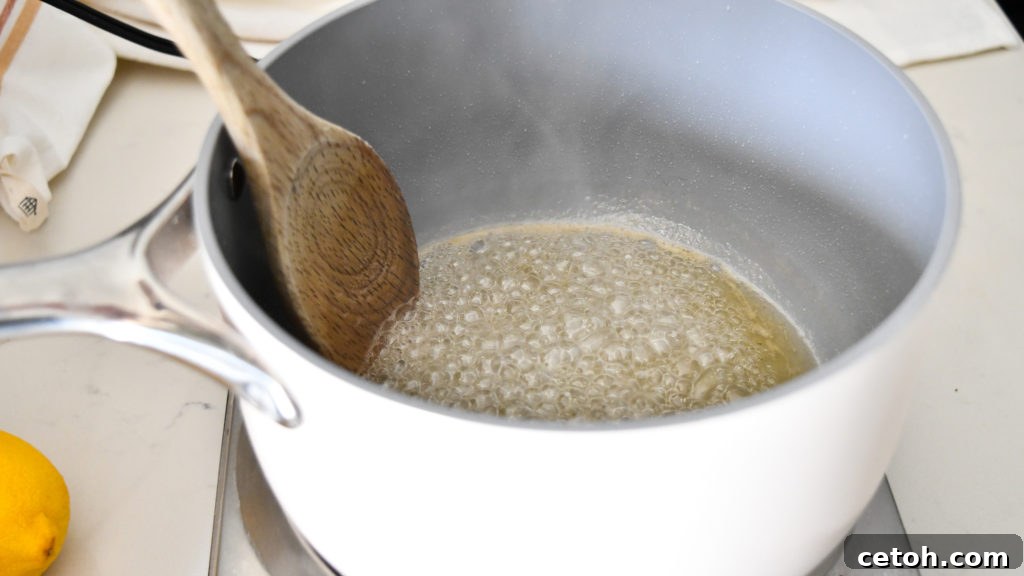
- Prepare Lemon Syrup: While the cake is slightly cooling, combine ½ cup granulated sugar and ½ cup fresh lemon juice in a small saucepan.
- Dissolve Sugar: Heat the mixture over medium-low heat, stirring constantly, until the sugar has completely dissolved. Do not bring the syrup to a boil. Once clear, remove from heat.
- Poke Holes in Cake: Using a fork or a skewer, generously poke holes all over the warm cake’s surface. Ensure the holes penetrate deep enough to allow the syrup to fully absorb without tearing the cake’s bottom.
- Pour Syrup: Slowly and evenly pour the warm lemon syrup over the entire surface of the poked cake. You may need to gently tilt the pan to ensure the syrup spreads and soaks into all the holes.
- Cool & Absorb: Let the cake continue to cool in the pan on the wire rack for at least 1-2 hours, or until it is completely cool to the touch. This extended cooling time is crucial for the syrup to fully absorb and for the cake to develop its signature moist texture.
- Remove from Pan: Once completely cooled, you can carefully invert the cake onto a serving platter or lift it out using the parchment paper overhang.
Part 3: Preparing and Applying the Lemon Glaze
- Mix Glaze Ingredients: In a medium bowl, whisk together the 1 ½ cups of powdered sugar, 3 tablespoons of fresh lemon juice, and 1 teaspoon of grated lemon zest until the mixture is smooth and lump-free.
- Adjust Consistency: If the glaze appears too thick, add more lemon juice, one teaspoon at a time, until you achieve a pourable but still thick consistency (it should coat the back of a spoon and drip slowly). If it’s too thin, add a tiny bit more powdered sugar.
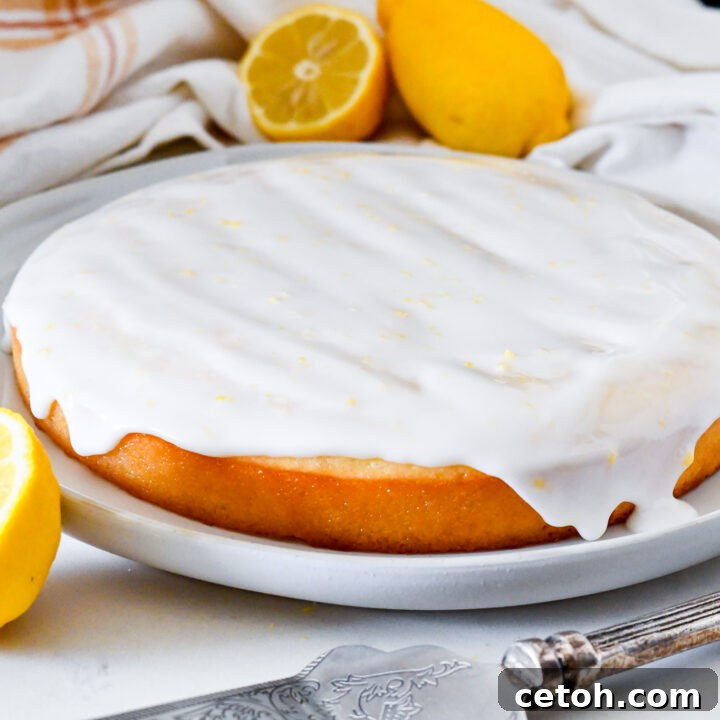
- Glaze the Cooled Cake: Once the cake is completely cooled (this is vital!), pour the lemon glaze evenly over the top, allowing it to naturally drip down the sides for an appealing, rustic look.
- Set & Serve: Allow the glaze to set for about 15-30 minutes at room temperature before slicing and serving. This will ensure the glaze hardens slightly, preventing stickiness.
Chef’s Tips for the Best Lemon Syrup Cake:
- Embrace Room Temperature Ingredients: For a consistently smooth batter and an optimally moist cake, ensure your eggs and buttermilk are at room temperature. This promotes better emulsification.
- Mindful Mixing: Avoid overmixing the cake batter. Overworking the flour develops gluten, which can lead to a tough and dry cake. Mix just until ingredients are combined.
- Freshness is Key: Always use fresh lemons for both juice and zest. Their vibrant flavor and aromatic oils are unmatched by bottled alternatives and are crucial for the cake’s signature taste.
- Patience Pays Off: Allow ample time for the cake to cool and fully absorb the syrup. Similarly, wait until the cake is completely cold before applying the glaze; warmth will cause it to melt and run off.
- Storage Instructions: Store your Lemon Syrup Cake at room temperature, loosely covered with plastic wrap or in an airtight container, for up to 3 days. It can also be refrigerated for up to a week, though bringing it to room temperature before serving will enhance its flavor and texture.
- Serving Suggestions: This cake is spectacular on its own, but it can also be served with a dollop of fresh whipped cream, a side of mixed berries, or a scoop of vanilla bean ice cream for an extra special treat.
Did you make this recipe?
We’d love to see your creation! Please leave a comment on the blog or share a photo on Instagram using #LemonSyrupCake and tagging us!
More Delicious Lemon Desserts to Brighten Your Day
If you’ve fallen in love with the vibrant taste and incredible moisture of this Lemon Syrup Cake, you’re in for a treat! The world of lemon desserts is vast and full of delightful possibilities, perfect for any occasion or just to satisfy a citrus craving. Explore these other fantastic lemon recipes that are sure to become new favorites in your baking repertoire:
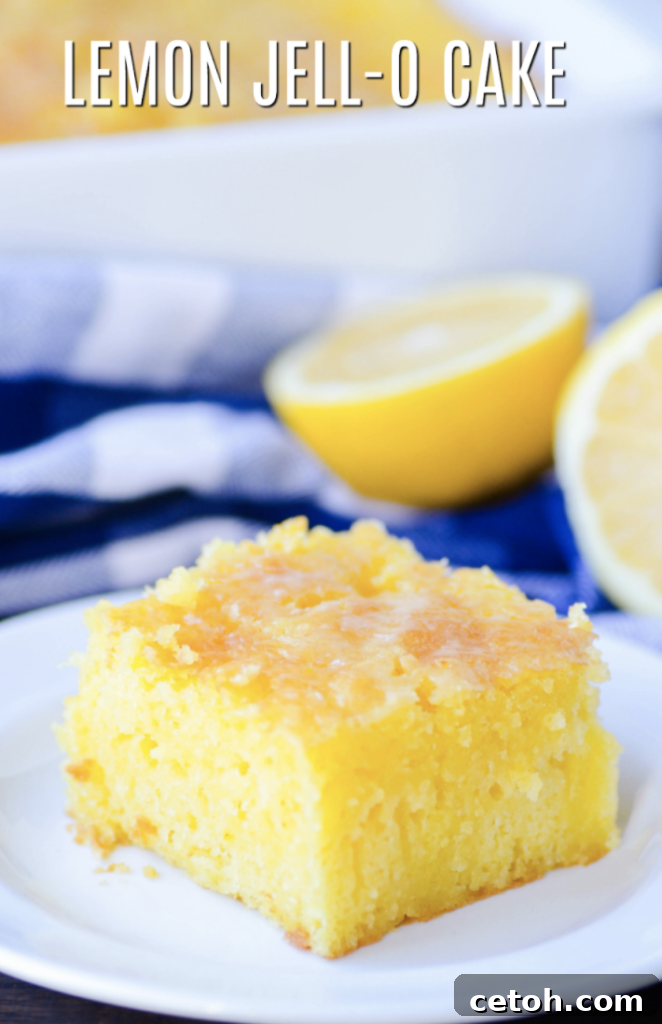
Simple Lemon Jell-O Cake
Transport yourself back to a bygone era with this incredibly easy and nostalgic cake that uses lemon Jell-O to infuse a super moist texture and an unmistakable lemon flavor. It’s a delightful crowd-pleaser that’s remarkably light, wonderfully refreshing, and comes together with minimal effort, making it a perfect choice for potlucks, family gatherings, or a simple weeknight dessert. The vibrant yellow hue and subtle jiggly texture add a fun and unique element to this classic, fuss-free treat.
Lemon Poppyseed Baked Donuts
Kickstart your morning or elevate your afternoon coffee break with a burst of bright citrus! These baked donuts offer a delightful and slightly healthier alternative to their fried counterparts. Each donut boasts a tender, cake-like crumb, generously studded with crunchy poppy seeds, and thoroughly infused with a zesty, invigorating lemon flavor. A simple yet perfectly balanced lemon glaze provides the ideal touch of sweetness and tang, making them an irresistible breakfast treat, a charming snack, or a thoughtful addition to any brunch spread. They’re easy to make and guaranteed to bring a smile to your face.