
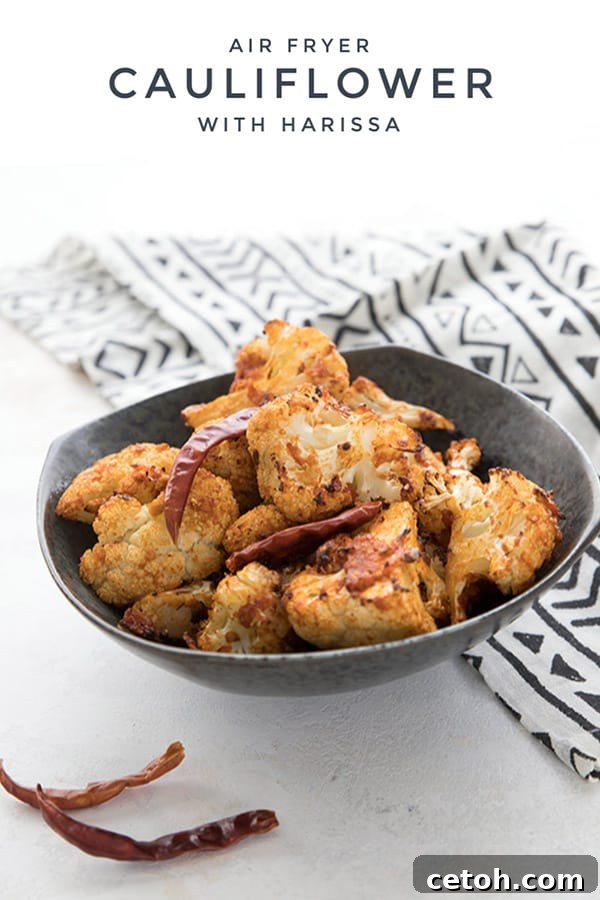
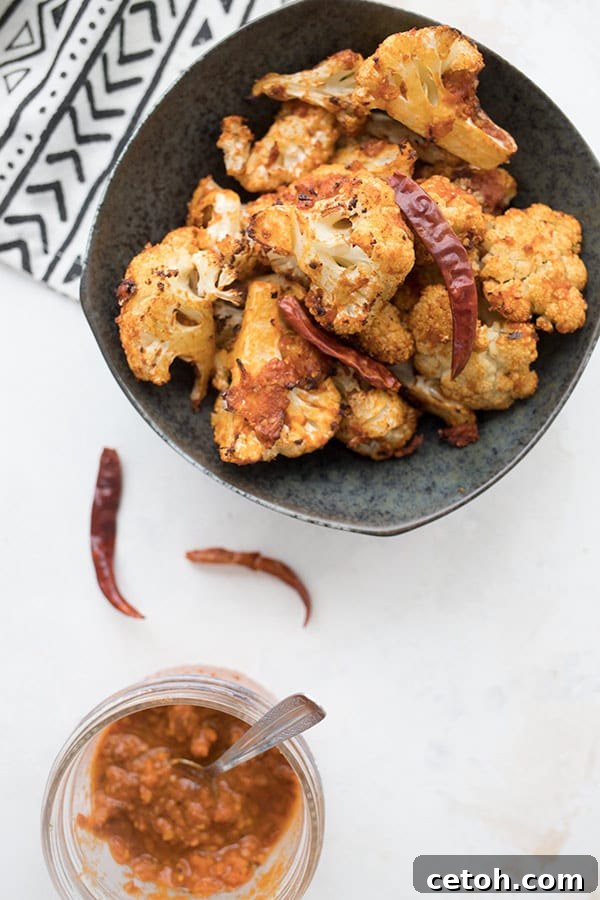
Prepare your taste buds for an explosion of flavor with this incredible **Spicy Air Fryer Harissa Cauliflower** recipe! This dish isn’t just a side; it’s a vibrant, keto-friendly culinary adventure that can easily steal the show as an appetizer or a light main. The secret weapon? A richly aromatic and fiery homemade harissa paste, transforming humble cauliflower florets into a dish that’s utterly irresistible. Whether you’re a seasoned low-carb enthusiast or simply looking for a delicious and healthy way to elevate your vegetable game, this recipe promises crispy perfection and bold, zesty heat. We’ll guide you through crafting your own simplified harissa and achieving perfectly roasted cauliflower, both in the air fryer and traditional oven.
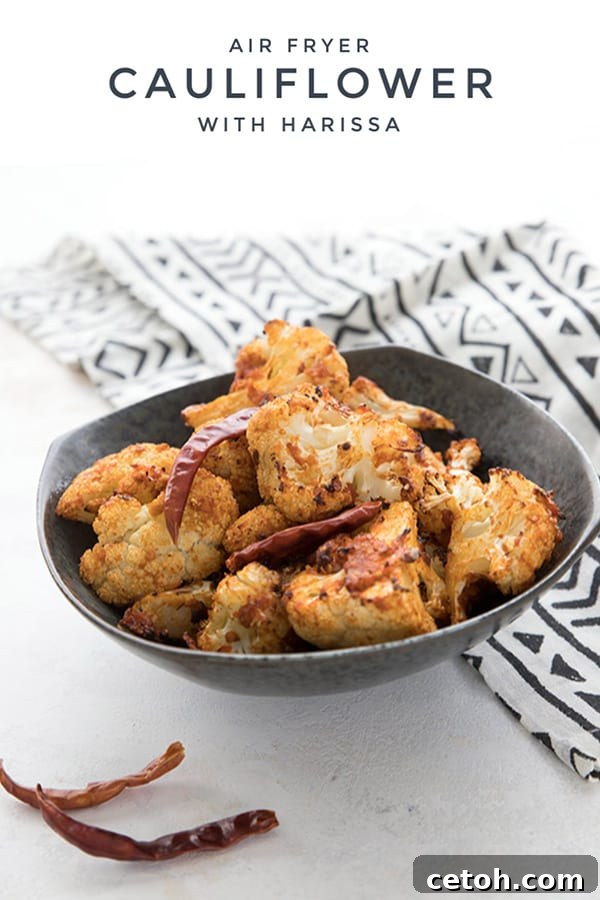
Discovering the Magic of Harissa: A Flavor Journey
Exploring diverse cuisines is one of life’s greatest pleasures, and delving into the world of harissa has been a revelation. This North African chili paste has truly opened up a new dimension of flavor possibilities in my kitchen. While I’ve encountered it in restaurants, finding high-quality, authentic harissa in regular grocery stores can sometimes be a challenge. This quest led me to embark on the exciting adventure of making my own, and the results were beyond delicious.
Harissa is more than just a condiment; it’s a versatile flavor powerhouse. It’s rapidly gaining popularity and for good reason—its complex heat and aromatic depth can elevate countless dishes. Imagine slathering a little on keto sheet pan chicken, stirring a spoonful into creamy mashed cauliflower, or using it to marinate fish. It adds a profound flavor dimension to keto meat dishes and, as we’ll discover, transforms simple vegetables into something spectacular. This isn’t a fleeting trend; harissa is here to stay, bringing its unique North African charm to kitchens worldwide.
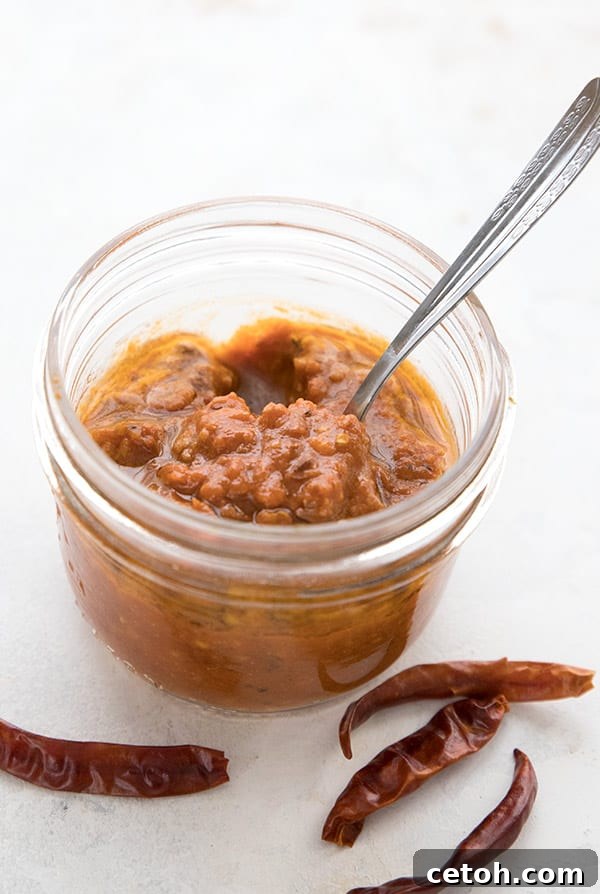
What Exactly is Harissa? A Deep Dive into this North African Gem
For those unfamiliar with this captivating condiment, harissa is a vibrant, spicy, and garlicky chili paste originating from North Africa, particularly Tunisia, Morocco, and Algeria. It’s an essential staple in these cuisines, celebrated for its ability to add incredible depth and heat to nearly any savory dish. While you might not typically pair it with dessert, harissa excels when accompanying meats, fish, chicken, and a wide array of vegetables.
Like many traditional recipes passed down through generations, harissa boasts countless variations. Each region, and often each family, has its unique take. Some versions are intensely fiery, while others offer a more subtle, mellow warmth. The specific blend of herbs and spices also varies, incorporating ingredients like caraway, mint, or rose petals in addition to the core chilies, garlic, and olive oil. This diversity is fantastic news for home cooks, as it means you’re not bound by a single “authentic” recipe. You have the freedom to adjust your homemade harissa to perfectly suit your personal taste preferences and whatever ingredients you have readily available in your pantry.
The Nutritional Powerhouse: Why Cauliflower is a Keto Champion
Before we dive into the cooking process, let’s appreciate the star of our dish: cauliflower. This cruciferous vegetable is a true hero for anyone following a low-carb or ketogenic diet, and a fantastic source of nutrition for everyone. Cauliflower is incredibly versatile, often used as a healthy substitute for grains and potatoes due to its mild flavor and adaptable texture. From “rice” to “mashed potatoes” to pizza crusts, cauliflower’s utility is unmatched in the keto world.
Beyond its low-carb count, cauliflower is packed with vitamins and minerals, including Vitamin C, Vitamin K, Vitamin B6, and folate. It’s also an excellent source of dietary fiber, which aids digestion and helps maintain satiety, crucial for weight management and overall gut health. Furthermore, cauliflower contains powerful antioxidants and phytonutrients that may help reduce inflammation and protect against various chronic diseases. Its mild flavor provides the perfect canvas for bold spices like harissa, making it an ideal choice for a dish that is both delicious and incredibly good for you. Air frying or roasting cauliflower also helps to retain many of these beneficial nutrients while bringing out its natural sweetness and creating a delightful texture.
Simplifying Homemade Harissa Paste: Flavor Without the Fuss
Traditionally, making harissa paste is a labor of love, involving roasting fresh peppers and toasting whole spices before painstakingly grinding them into a paste. While there’s a certain satisfaction in adhering to tradition, I’m also a firm believer in smart shortcuts that make life a little easier without compromising on flavor. My spice drawer, brimming with an array of ground spices, became my ally in this endeavor.
Instead of roasting my own peppers, I opted for a jar of fire-roasted red peppers. This simple swap significantly streamlines the process while still imparting a wonderful smoky depth. If you prefer, you can certainly roast your own red peppers under the broiler until the skin is charred and blistered, then peel and deseed them once cooled. For the dried chilies, I used Thai chilies, known for their intense heat. By using just one and leaving the seeds intact—where much of the capsaicin resides—I achieved a wonderfully fiery harissa paste. However, the beauty of homemade harissa lies in its customizability. If you prefer a milder paste, opt for milder chilies like guajillo or ancho, and/or remove some or all of the seeds. You are the master of your spice! Feel free to experiment with different chili varieties to find your perfect balance of heat and flavor. You can even combine different chilies for a more nuanced profile. This hands-on approach guarantees a harissa that is precisely to your liking.
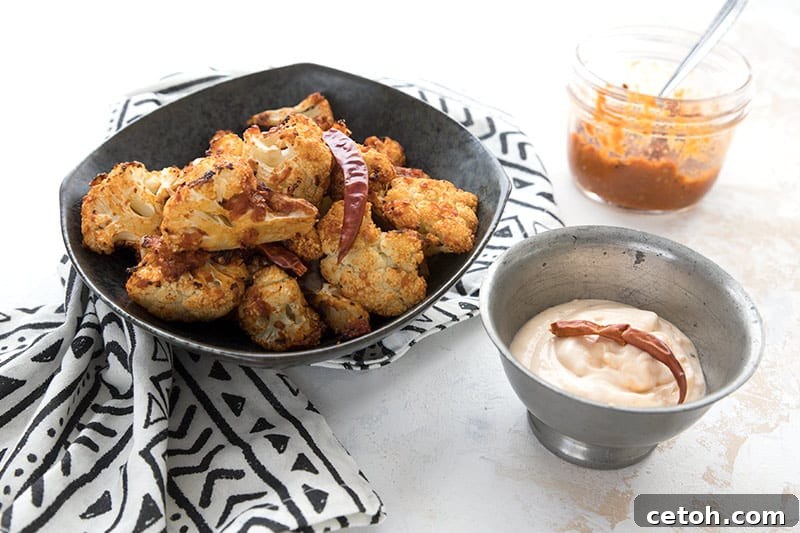
Mastering Roasted Cauliflower: Air Fryer vs. Oven
One of the best ways to enjoy cauliflower is roasted, which brings out its natural sweetness and gives it a delightful texture. For this harissa cauliflower, we’ll explore two fantastic methods: the air fryer and the traditional oven. Both yield delicious results, but each has its unique advantages.
Roasting Cauliflower in the Air Fryer: Crispiness on Demand
If you’re among the many who have embraced the air fryer, you already know its remarkable ability to achieve crispy, golden-brown results with minimal oil. It’s an ideal gadget for cooking vegetables like cauliflower, typically cutting the cooking time by half compared to a conventional oven. The circulating hot air creates a beautiful exterior while keeping the inside tender.
The exact cooking process in an air fryer can vary depending on your specific model and brand. Some air fryers, especially basket-style ones, might require you to shake the basket a few times during cooking to ensure even browning. If you have a larger air fryer, like the Cuisinart model that doubles as a toaster and convection oven, you might easily fit a whole head of cauliflower florets on the rack. Regardless of your model, it’s always a good practice to open the drawer or door periodically and give the florets a good shake or stir to ensure every piece gets that desirable crispy edge. Don’t overcrowd the basket; if necessary, cook the cauliflower in batches to prevent steaming, which can lead to soggy results instead of crispiness.
No Air Fryer? No Problem! Perfect Oven Roasting Instructions
Don’t fret if an air fryer isn’t part of your kitchen arsenal! You can still achieve wonderfully roasted harissa cauliflower using your oven. The principle is similar: high heat and ample space for the florets to crisp up. Oven roasting provides a slightly different, often more uniformly tender result, with delicious caramelized edges.
To oven roast, preheat your oven to a robust 400°F (200°C). This high temperature is key for achieving that desirable tender-crisp texture. Spread your harissa-coated cauliflower florets in a single layer on a large, rimmed baking sheet. Avoid overcrowding the pan, as this can steam the cauliflower instead of roasting it. If you have too many florets for a single layer, use two baking sheets or roast in batches. Bake for 15 to 20 minutes, or until the cauliflower is tender inside and beautifully golden brown and caramelized on the outside. You might want to flip the florets halfway through cooking to ensure even browning on all sides. The slight charring adds another layer of flavor that complements the harissa wonderfully. Both methods deliver a delightful and wholesome dish that is sure to impress.
Beyond Cauliflower: Endless Culinary Applications for Harissa
Once you’ve made a batch of this flavorful homemade harissa, you’ll discover it’s incredibly versatile. You certainly won’t use it all up just for this air-fried cauliflower recipe, which is a good thing because it stores beautifully in the fridge for up to a month, covered with a thin layer of olive oil to preserve its freshness and color. Its bold, complex flavor profile makes it a fantastic addition to a wide range of dishes, adding a North African kick to your everyday meals.
My next plan involves slathering it on some keto chicken wings for a spicy, sticky glaze. But the possibilities don’t end there! Here are even more ideas to inspire your culinary creativity and make the most of your homemade harissa paste:
- Spicy Marinade: Use it to marinate chicken, lamb, or beef before grilling, baking, or pan-frying. The flavors truly penetrate the meat, creating a tender and incredibly savory dish.
- Elevated Dips: Stir a teaspoon or two into hummus, Greek yogurt, or even mayonnaise for a vibrant, spicy dip for vegetables, chips, or crackers. A simple garlic aioli mixed with harissa is a revelation.
- Eggs in Purgatory (Shakshuka with a Twist): Harissa is a natural fit for rich, tomato-based stews. Try it in Harissa Eggs in Purgatory for a hearty and flavorful breakfast or brunch.
- Roasted Leg of Lamb: Pair it with robust meats like lamb. A Harissa Roast Leg of Lamb makes for an impressive centerpiece, infused with deep, aromatic spices.
- Seafood Sensation: Harissa works wonders with seafood. Try it with shrimp and tomatoes in a quick skillet dish like Harissa Shrimp and Tomatoes for a weeknight meal.
- Flavorful Skewers: Marinate cubes of chicken or vegetables with harissa for Harissa Chicken Skewers, perfect for grilling or baking.
- Stuffed Vegetables: Add a spicy kick to your stuffed vegetables. Harissa Beef Stuffed Eggplant is a fantastic way to enjoy this paste while making a filling meal.
- Soups and Stews: Stir a dollop into your favorite lentil soup, vegetable stew, or even chili to add an extra layer of warmth and complexity.
- Sandwich/Wrap Spread: Mix a bit with cream cheese or avocado for a spicy spread in sandwiches, wraps, or even on toast.
With its impressive shelf life and incredible versatility, your homemade harissa will quickly become a cherished condiment in your kitchen, inspiring countless delicious creations.
Air Fryer Harissa Cauliflower
Prep Time: 20 mins
Cook Time: 15 mins
Total Time: 35 mins
Spicy air fried cauliflower is a fabulous keto side dish or appetizer. The heat of homemade harissa paste kicks this recipe into high gear! Easy oven roasting instructions included.
Ingredients
For the Harissa Paste
- 1 to 2 medium dried hot chilies (see recipe notes for chili choices)
- 1/4 cup boiling water
- 1/2 medium roasted red pepper (jarred or freshly roasted)
- 2 cloves garlic, chopped
- 3/4 tsp ground coriander
- 1/2 tsp ground cumin
- 1/2 tsp ground paprika
- 1/2 tsp salt
- 2 tbsp olive oil (or avocado oil)
- 1 tbsp lemon juice
For the Air Fryer Cauliflower
- 1 medium head cauliflower, cut into florets
- 2 tbsp olive oil (or avocado oil)
- Salt and black pepper to taste
Instructions
Making the Harissa Paste
- In a small bowl, soak the dried chilies in 1/4 cup boiling water for approximately one hour, or until fully softened. Once softened, remove the chilies and reserve the soaking liquid. Remove the stem from each chili and coarsely chop them. For a spicier harissa, leave the seeds in; for a milder version, remove some or all of the seeds.
- In a blender or food processor, combine the chopped chilies, roasted red pepper, chopped garlic, ground coriander, ground cumin, paprika, and salt. Pulse a few times until the ingredients are roughly combined.
- Add the olive oil, lemon juice, and 1 to 2 tablespoons of the reserved chili soaking liquid. Blend or process until a thick, smooth paste forms. Add more soaking liquid if needed to achieve your desired consistency.
- To store the homemade harissa paste, transfer it to an airtight jar and cover the surface with a thin layer of additional olive oil. This helps preserve its freshness. Refrigerate for up to one month.
Preparing the Air Fryer Harissa Cauliflower
- In a medium-sized bowl, combine the cauliflower florets, olive oil, and a generous pinch of salt and pepper. Add about 1/4 cup of the freshly made harissa paste (or store-bought, if preferred) and toss thoroughly until all the cauliflower florets are evenly coated. Adjust the amount of harissa to your taste preference for more or less heat.
- Preheat your air fryer to 375°F (190°C). Arrange the harissa-coated cauliflower florets in a single layer in the air fryer basket or on the rack. Avoid overcrowding; if your air fryer is small, work in batches to ensure even cooking and crispiness.
- Cook the cauliflower for 10 to 15 minutes, shaking the basket or flipping the florets halfway through, until they are tender-crisp and beautifully browned with some caramelized edges.
- Carefully remove the cauliflower from the air fryer and let it cool for a few minutes before serving. This spicy air fryer harissa cauliflower is absolutely delicious on its own, or served with a dollop of cooling garlic aioli or ranch dressing to complement the heat.
Notes
Chilies: I used one Thai chili pepper for this recipe, leaving the seeds in for maximum heat. Thai chilies are small but pack a fiery punch! Alternatively, you can use any dried Mexican chilies such as chipotle or guajillo for a different flavor profile. If dried chilies are hard to find, a fresh jalapeño can be used instead; simply skip the soaking process. Remember to de-seed your chilies if you desire a milder harissa paste.
Oven Roasting Instructions: If you don’t have an air fryer, you can easily oven roast this harissa cauliflower. Preheat your oven to 400°F (200°C). Spread the harissa-coated cauliflower florets in a single layer on a large, rimmed baking sheet. Bake for 15 to 20 minutes, or until the cauliflower is tender and has achieved a beautiful golden-brown color and slightly crispy edges. For even browning, you may stir or flip the florets once halfway through the cooking time.
Nutrition Facts (per serving)
Calories: 68 kcal |
Carbohydrates: 5.7g |
Protein: 2.1g |
Fat: 4.7g |
Fiber: 2.3g
We’d love to hear what you think of this Air Fryer Harissa Cauliflower! Share your culinary adventures in the comments below.