
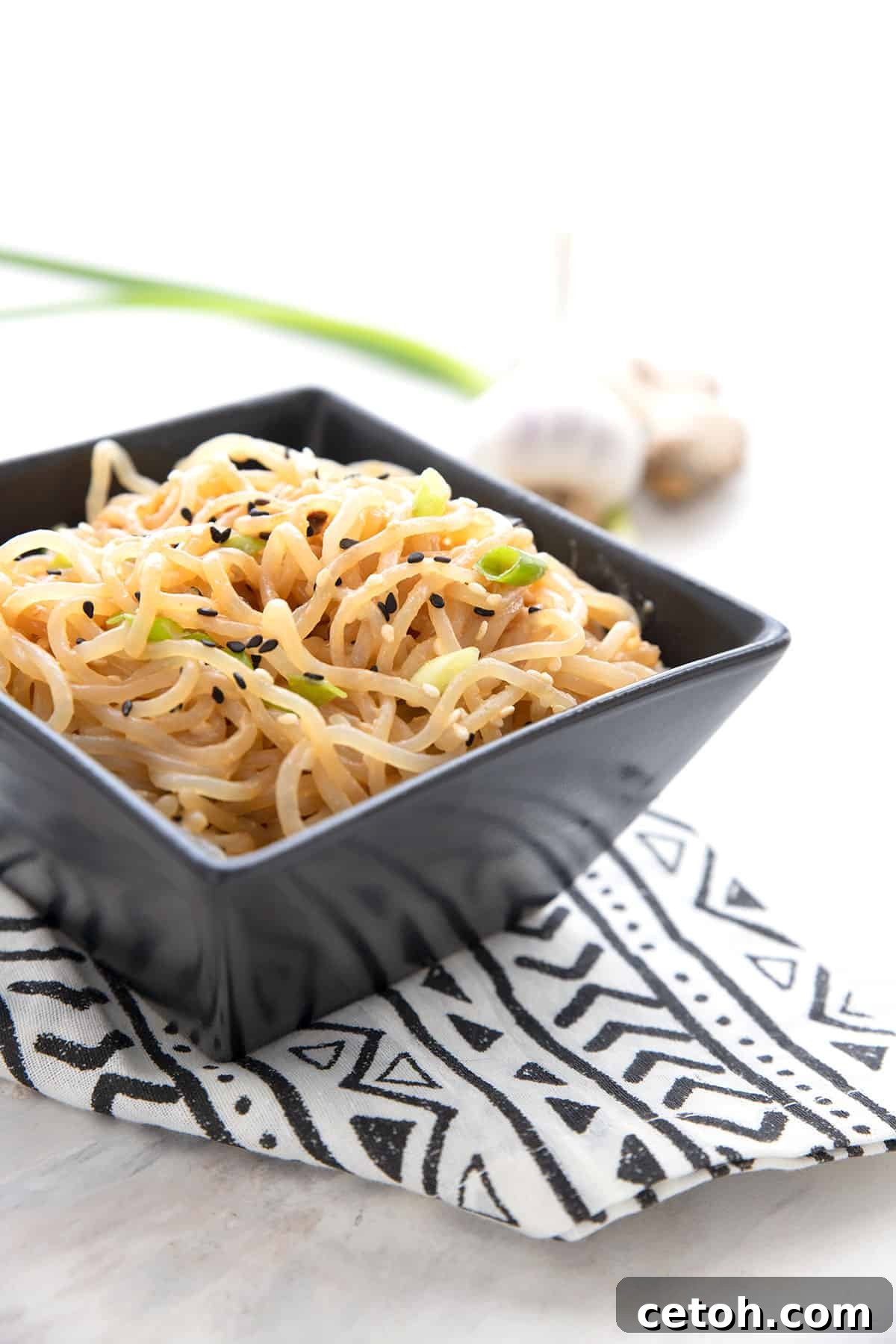
Welcome to the ultimate guide for crafting the most delicious and easy **Keto Sesame Noodles**! This versatile dish isn’t just a side; it’s a culinary experience that can be savored hot or cold, making it perfect for any season or occasion. Imagine perfectly prepared low-carb noodles, generously coated in a rich, deeply flavorful sauce, ready to serve in under 15 minutes. It’s the ideal solution for busy weeknights, meal prep, or when you’re simply craving an authentic Asian-inspired treat without compromising your ketogenic lifestyle.
In the world of low-carb eating, finding truly satisfying and quick recipes can sometimes feel like a challenge. But fear not! These **keto sesame noodles** are a revelation. They capture all the complex, savory, and slightly sweet notes of traditional sesame noodles, but with a clever, keto-friendly twist. A few months ago, a strong craving for Asian sesame noodles hit, prompting an experiment with shirataki noodles and a homemade sauce. The result was so unexpectedly good, it instantly earned a spot as a top-tier keto side dish in our household. Its outstanding flavor profile, combined with its rapid preparation time, makes it a true weeknight hero. Plus, the ability to enjoy them either warm or chilled means they’re a fantastic addition to your menu year-round, effortlessly elevating your keto meals from ordinary to extraordinary.
Understanding Shirataki Noodles: Your Keto Pasta Solution
Before diving into the recipe, let’s take a moment to demystify **shirataki noodles**, a crucial component of this low-carb dish. Often misunderstood, these high-fiber, virtually carb-free noodles are derived from the konjac root, a plant native to Asia. They are characterized by their translucent appearance and a slightly gelatinous texture, and are typically packaged in water.
Some individuals initially hesitate due to a unique odor when first opening the package and a sometimes-rubbery texture. However, these issues are entirely manageable with the correct preparation. The key lies in thorough rinsing and proper cooking. We highly recommend draining the liquid, rinsing the noodles extensively under cold water for several minutes, and then pan-frying them for 3 to 5 minutes. This process not only eliminates any unwanted smell but also significantly improves their texture, making them delightfully chewy and more receptive to absorbing the rich flavors of your sauce. You’ll be amazed at the transformation!
Beyond their culinary utility as a **keto pasta replacement**, shirataki noodles boast impressive health benefits. The konjac root is the same source of glucomannan, a well-known soluble prebiotic fiber. This fiber is celebrated for its ability to promote gut health, support healthy digestion, and potentially aid in blood sugar management. By incorporating shirataki noodles into your diet, you’re not just enjoying a guilt-free meal; you’re actively contributing to your overall well-being. It’s truly worth getting acquainted with these incredible **low carb noodles**!
Essential Ingredients for Keto Sesame Noodles
Creating an exceptional dish starts with quality ingredients. Here’s a breakdown of what you’ll need for these flavorful **Keto Sesame Noodles**, along with some helpful tips:
- Shirataki Noodles: These **high fiber noodles** are your star low-carb **keto pasta alternative**. While other keto-friendly noodle types (like zucchini spirals or kelp noodles) can work, shirataki offers the closest texture to traditional Asian noodles and is highly recommended for this recipe. Just be aware that different types may require varied cooking methods prior to saucing.
- Peanut Butter: For the deepest flavor and creamy consistency, opt for natural creamy peanut butter with no added sugars. Dark roasted varieties tend to impart a richer, nuttier taste. If you have a peanut allergy or prefer, almond butter is an excellent substitute, offering a similar richness and mouthfeel.
- Toasted Sesame Oil: This ingredient is non-negotiable for authentic sesame flavor. Unlike regular sesame oil, toasted sesame oil is made from toasted sesame seeds, giving it an intensely aromatic and nutty profile that is crucial for the sauce. Do not substitute with plain sesame oil for the sauce, as the flavor will be significantly milder.
- Tamari: As a gluten-free alternative to soy sauce, tamari offers a richer, more complex umami depth. It’s a staple in many of our **easy keto recipes** for its superior flavor. If gluten is not a concern for you, regular low-sodium soy sauce can be used, but you might notice a slight difference in taste.
- Rice Vinegar: Crucial for balancing the richness of the peanut butter and sesame oil with a bright, tangy acidity. Always use *unseasoned* rice vinegar, as seasoned varieties often contain added sugar and carbohydrates, which we want to avoid in a keto recipe. Apple cider vinegar is a perfectly acceptable alternative if you don’t have rice vinegar on hand.
- Avocado Oil: You’ll need a neutral, high-smoke-point oil for pan-frying the shirataki noodles. Avocado oil is fantastic for this, but other options like light olive oil (not extra virgin, due to lower smoke point) or even plain sesame oil (for an extra hint of sesame) work equally well.
- Fresh Aromatics: Freshly minced ginger and garlic are paramount. They provide a pungent, spicy, and incredibly aromatic foundation for the sauce that dried versions simply cannot replicate. Don’t skimp on these for the best results.
- Green Onion & Sesame Seeds: These are primarily for garnish but also add a delicate freshness and a textural crunch, enhancing the overall presentation and experience of the dish.
Step-by-Step Directions for Perfect Keto Sesame Noodles
Follow these simple steps to bring your delicious **Keto Sesame Noodles** to life:
- Prepare the Flavorful Sauce: In a medium bowl or a glass measuring cup, combine the creamy peanut butter, aromatic toasted sesame oil, tamari (or soy sauce), tangy rice vinegar, fresh minced garlic, spicy minced ginger, and the optional red pepper flakes for a touch of heat. Whisk vigorously until all ingredients are thoroughly combined and the sauce is smooth and emulsified. Set aside.
- Rinse and Drain the Shirataki Noodles: Open the packages of shirataki noodles and pour them into a fine-mesh sieve set over the sink. Rinse the noodles under cold running water for at least 2-3 minutes, tossing them occasionally to ensure every strand is thoroughly cleaned. This crucial step helps to eliminate the distinct odor often associated with shirataki noodles and improves their texture. Once rinsed, let them drain thoroughly.
- Sauté for Optimal Texture: Heat the avocado oil (or your preferred cooking oil) in a large skillet or wok over medium heat. Once the oil is shimmering, add the well-drained shirataki noodles to the hot pan. Sauté the noodles, stirring frequently, for about 3 to 5 minutes. This dry-frying process helps to cook off any remaining moisture, firming up the noodles and giving them a more palatable, less rubbery texture.
- Combine with Sauce and Garnish: Once the noodles have been sautéed and are lightly dry, pour the prepared sesame sauce over them in the pan. Toss continuously using tongs or a spatula, ensuring every single noodle strand is completely coated in the rich, savory sauce. Cook for just another minute or two, allowing the sauce to gently warm and cling to the noodles. Remove the pan from the heat immediately. Transfer the noodles to serving bowls and generously garnish with chopped green onion and a sprinkle of toasted sesame seeds for added flavor and visual appeal.
Expert Tips and Frequently Asked Questions (FAQ)
To ensure your **Keto Sesame Noodles** turn out perfectly every time, keep these expert tips in mind:
- Rinsing is Key: As mentioned in the steps, don’t rush the rinsing process! Thoroughly draining and rinsing shirataki noodles multiple times is the most effective way to eliminate any lingering “fishy” odor from their packaging liquid. The longer and more vigorously you rinse, the better.
- Meal Prep Gold: These **low carb sesame noodles** are fantastic for meal prepping. In fact, many find that the flavors deepen and meld beautifully after a day or two in the refrigerator, making them even more delicious! Store them in an airtight container for up to 3-4 days. You can enjoy them chilled straight from the fridge, at room temperature, or gently rewarm them on the stovetop over low heat or in the microwave. Stir occasionally when reheating to ensure even warming and prevent sticking.
- Spice it Up: If you love a kick, increase the amount of red pepper flakes or add a dash of your favorite keto-friendly chili garlic sauce to the dressing.
- Add Protein: To transform this side dish into a complete meal, consider adding cooked shredded chicken, pan-fried shrimp, seared tofu, or thinly sliced beef. Toss it in with the noodles and sauce for a hearty and satisfying dish.
- Vegetable Boost: Feel free to stir in some quick-cooking keto-friendly vegetables like thinly sliced bell peppers, shredded carrots (in moderation), snow peas, or blanched broccoli florets during the last minute of cooking or when tossing with the sauce.
Absolutely! Shirataki noodles are an excellent choice for a keto diet. They are incredibly low in net carbs and calories, primarily composed of water and glucomannan fiber. This recipe for **keto sesame noodles** contains approximately 6g of total carbohydrates and 2.6g of fiber per serving, resulting in only 3.4g net carbs per serving, making them perfectly aligned with ketogenic goals.
Yes, shirataki noodles are notably healthy. Made from the fibrous konjac root, they are rich in soluble fiber (glucomannan). This fiber acts as a powerful prebiotic, nourishing beneficial gut bacteria and thus significantly improving gut health. Additionally, glucomannan has been linked to supporting healthy blood sugar levels and promoting a feeling of fullness, which can aid in weight management.
After extensive experimentation, we’ve found that pan-frying yields the best results for shirataki noodles. The process involves draining and thoroughly rinsing the noodles, then sautéing them in a hot pan with a little oil. This method achieves several things: it helps evaporate excess moisture, eliminates any residual odor from the packaging liquid, and significantly improves their texture, preventing them from being too rubbery or slimy. This pan-frying step ensures they become a delightful canvas for the rich sesame sauce.
More Delicious Keto Asian-Style Recipes to Explore
If you love the flavors of this **Keto Sesame Noodles** recipe, you’ll definitely want to try these other fantastic **Asian keto dishes**:
- This Keto Korean Beef is consistently one of our most popular dinner recipes. It’s an incredibly flavorful and satisfying way to incorporate zucchini noodles into your meal plan.
- My entire family absolutely adores this Easy Keto Beef and Broccoli! It’s a takeout classic, reimagined to be low-carb and utterly delicious, perfect for a quick and healthy dinner.
- For an authentic taste of Thailand, I make Keto Pad Thai using shredded cabbage as a brilliant, low-carb substitute for noodles. The vibrant flavors and textures are incredibly satisfying.
- I’ve been perfecting Keto Thai Basil Chicken for over 8 years, and it never fails to impress. This aromatic and spicy dish is a light yet flavorful option, often served in crisp lettuce wraps.
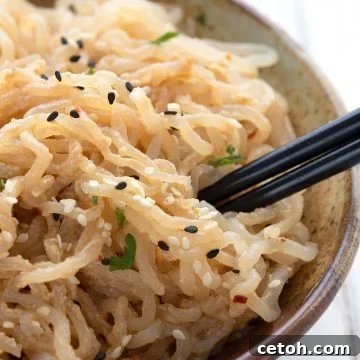
Keto Sesame Noodles Recipe
Ingredients
- 2 tbsp creamy peanut butter, (all natural, no added sugar)
- 2 tbsp toasted sesame oil
- 1 tbsp tamari, (or low-sodium soy sauce)
- 1 tbsp rice vinegar, (unseasoned, or apple cider vinegar)
- 2 cloves garlic, minced fresh
- 2 tsp minced fresh ginger
- 1/4 tsp red pepper flakes, (optional, for heat)
- 12 ounces shirataki noodles, (two 7-ounce packages, rinsed and drained)
- 1 tbsp avocado oil, (or olive oil, for frying)
- 1 medium green onion, chopped
- 1 tbsp toasted sesame seeds
Instructions
-
In a glass measuring cup or small bowl, combine the peanut butter, toasted sesame oil, tamari, rice vinegar, minced garlic, minced ginger, and red pepper flakes. Whisk thoroughly until the mixture is well combined and completely smooth.
-
Drain the shirataki noodles in a sieve over the sink, then rinse them very well under cold running water for several minutes. Shake off excess water.
-
Heat the avocado oil in a medium skillet over medium heat. Once the pan is hot, add the drained noodles and sauté, stirring frequently, for approximately 3 to 5 minutes to dry them out and improve their texture.
-
Pour the prepared sauce over the noodles in the pan. Toss well to ensure all noodles are evenly coated with the rich sauce. Remove from heat and transfer to serving bowls. Garnish generously with chopped green onion and toasted sesame seeds before serving.
Nutrition
I’d love to know your thoughts, leave your rating below!