
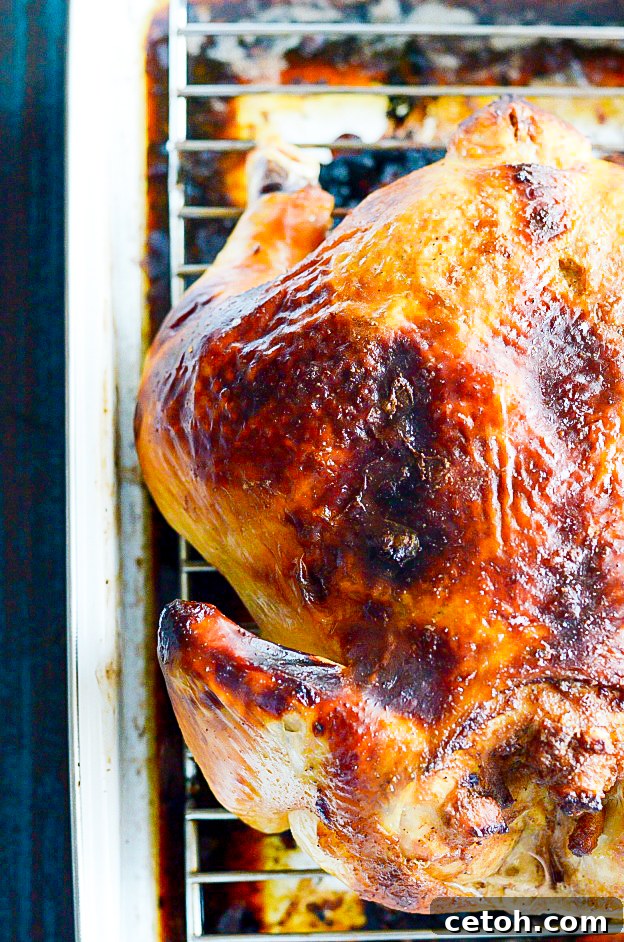
Simple Turkey Brine Recipe: Your Ultimate Guide to a Juicy & Flavorful Holiday Turkey
Unlock the secret to a mouthwatering turkey that will be the star of your holiday feast with our simple and foolproof turkey brine recipe. It’s easier than you think to achieve perfection!
Prepare to transform your holiday meals with a turkey so moist, tender, and bursting with flavor, your guests will be begging for your secret. You haven’t truly experienced a perfect Thanksgiving or Christmas turkey until you’ve tried a brined one—and we’ve taken inspiration from the legendary Bobby Flay’s Cajun Brined Turkey to create an incredibly simplified version that delivers phenomenal results. This isn’t just a recipe; it’s your gateway to the best turkey you’ve ever tasted!
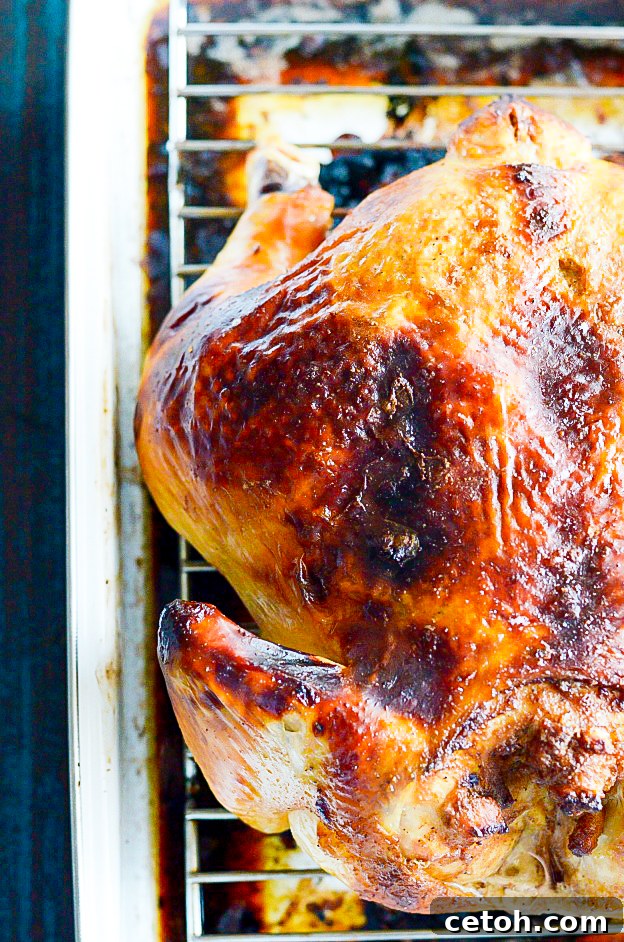
Why You Need to Brine Your Turkey for Unforgettable Flavor
For many, cooking a turkey that is both flavorful and tender seems like an insurmountable challenge. The dread of a dry, bland bird often looms over holiday preparations. This is precisely where brining steps in as your culinary superhero, promising to transform an ordinary turkey into an extraordinary masterpiece. Brining is a game-changer, acting like an internal basting process that infuses every fiber of the meat with moisture and rich seasonings, ensuring a succulent result.
The Science Behind a Succulent Brine
At its core, brining is a simple process of submerging your turkey in a solution, primarily composed of water and salt, often enhanced with an array of aromatic spices, herbs, and sometimes a touch of sugar. Think of your raw turkey as a sponge, ready to absorb flavor. Through a natural scientific phenomenon called osmosis, the salt in the brine solution begins its magic. Water and dissolved flavors from the brine are drawn into the turkey’s muscle cells, increasing the meat’s water content before it even hits the oven. This crucial step directly combats the natural tendency of turkey to dry out during the high-heat cooking process.
Beyond Moisture: Unlocking Unbeatable Flavor
While moisture retention is a primary benefit, brining also excels at deeply flavoring the turkey. The salt acts as a vehicle, carrying the robust flavors of your chosen herbs and spices deep into the meat, not just on the surface. As the brine penetrates, it subtly alters the protein structure within the turkey. This process helps to unwind and tenderize the muscle fibers, making the cooked meat remarkably softer and more pleasant to eat. The result is a turkey seasoned from the inside out, offering a complex and delicious flavor profile that far surpasses a surface-seasoned bird.
Guaranteed Tenderness and Juiciness
We’ve all experienced the disappointment of a tough, chewy turkey. Brining directly addresses this common problem. By breaking down some of the protein structures, the salt ensures that the meat remains tender even after hours of roasting. Moreover, the enhanced moisture content within the cells creates a buffer against the intense heat of the oven, preventing excessive moisture loss. This means your turkey will emerge from the oven not just juicy, but lusciously tender, making every bite a delight.
Embracing the brining technique is an investment in your holiday meal that pays off in spades. It’s an easy step that elevates your turkey from good to absolutely unforgettable, guaranteeing a dish that will be praised and remembered long after the feast is over.
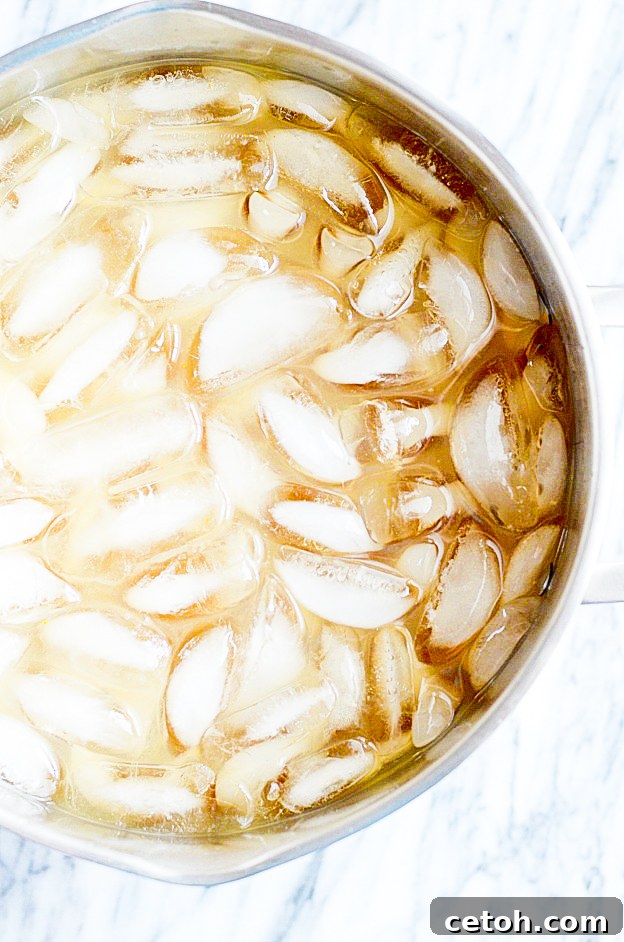
Ingredients for Our Simple & Flavorful Turkey Brine Recipe
Our brine recipe relies on a harmonious blend of spices and essential brine components to infuse your turkey with unparalleled taste. Each ingredient plays a vital role in creating a deep, savory, and slightly smoky flavor profile that complements the turkey perfectly.
The Cajun-Inspired Spice Blend:
- Paprika: More than just color, paprika offers a rich, sweet, and earthy flavor. It contributes significantly to the savory base of the brine and lends an appetizing reddish hue to the turkey’s skin, deepening the overall visual appeal.
- Chili Powder: This blend of ground chilies and other spices introduces a mild warmth and a subtle smokiness. Chili powder adds a layer of complex flavor without making the turkey overtly spicy, enhancing its depth.
- Garlic Powder: A staple in savory cooking, garlic powder provides a concentrated, savory, and pungent essence. It ensures that the robust garlic flavor penetrates deep into the turkey meat, building a foundational taste.
- Onion Powder: Offering a milder, sweeter onion flavor than fresh onion, onion powder contributes to the overall savory backbone of the brine. It rounds out the spice blend, making the turkey’s taste more wholesome and rich.
- Dried Oregano: Known for its fragrant, slightly bitter, and peppery notes, dried oregano adds an essential herbal dimension to the brine. It beautifully complements the other spices, adding a touch of Mediterranean warmth.
- Dried Thyme: With its subtle minty, lemony, and earthy characteristics, dried thyme brings another layer of aromatic complexity. It pairs wonderfully with poultry, enhancing the natural flavors of the turkey.
- Cayenne Powder: A pinch of cayenne powder is included for a gentle kick of heat. The small amount used is carefully balanced to elevate the flavor profile without making the turkey excessively spicy, adding just enough zest to be noticeable.
Essential Brine Components:
- Kosher Salt: This is the cornerstone of any effective brine. Kosher salt not only seasons the turkey but, more importantly, facilitates the osmosis process, allowing moisture and flavors to penetrate the meat. It’s crucial for achieving that tender and juicy texture.
- Light Brown Sugar: Adding a touch of sweetness, brown sugar balances the salt and savory spices. It contributes to a beautiful caramelized skin during roasting and helps create a more complex, well-rounded flavor.
- Whole Garlic Cloves: Beyond the powder, whole garlic cloves infuse the brine with a fresh, pungent, and aromatic garlic essence that is robust and deeply savory.
- Bay Leaves: These aromatic leaves impart a subtle, almost floral, herbal note that adds a layer of sophistication and depth to the brine, enhancing its overall fragrance and taste.
- Large Onion (quartered): Fresh onion quarters contribute a sweet and savory base note to the brine. As it steeps, the onion releases its natural sugars and aromatic compounds, enriching the overall flavor profile of the turkey.
- Turkey (thawed): The star ingredient! Brining a thawed turkey ensures even absorption of the flavorful mixture, guaranteeing a moist, tender, and seasoned bird from within.
- Canola or Vegetable Oil: While not part of the brine itself, oil is critical for pre-roasting preparation. Rubbing the turkey with oil before cooking helps achieve that coveted crispy, golden-brown skin and seals in all the wonderful brine-infused flavors.
- Ice: Essential for rapidly cooling the brine solution to a safe temperature and for keeping the turkey submerged and cold during the brining process, preventing bacterial growth.
Overview: How to Brine a Turkey
Brining a turkey is a straightforward process that yields incredibly rewarding results. Here’s a quick glance at the simple steps involved:
- Mix the Brine Solution: In a large, food-grade cooler or container, combine water, salt, sugar, and your chosen spices and aromatics.
- Cool the Brine: Ensure the brine mixture is completely cooled to a safe temperature before adding the turkey. This is critical for food safety.
- Submerge the Turkey: Carefully place your thawed turkey into the cooled brine solution, ensuring it is fully immersed. Add ice to keep the temperature consistently low.
- Let It Relax: Allow the turkey to brine for several hours or overnight in a refrigerated environment. This is when the flavors penetrate and the meat tenderizes.
- Rinse and Dry: Once brined, remove the turkey, give it a thorough rinse to remove excess salt, and pat it completely dry. Now your turkey is perfectly prepped and ready for roasting! It’s that easy to achieve a truly delicious bird.
Frequently Asked Questions About Turkey Brining
What is brining, and why should I do it?
Brining is a culinary technique where you soak meat, particularly poultry like turkey, in a solution of water, salt, and various flavorings such as herbs, spices, and aromatics. You should brine your turkey because it dramatically improves its moisture content, tenderness, and overall flavor. The salt in the brine helps the meat absorb water and seasonings, preventing it from drying out during cooking and ensuring a succulent, well-seasoned result.
How does brining actually work?
Brining works primarily through osmosis and diffusion. The salt in the brine creates a higher concentration of solutes outside the turkey’s cells. Through osmosis, water and salt move into the turkey to equalize the concentration. Additionally, salt helps to denature (unwind) the muscle proteins, which allows them to hold onto more water. This makes the meat more tender and enables it to retain more moisture as it cooks, resulting in a juicier bird.
How long should I brine my turkey?
Brining times can vary based on the size of your turkey and the concentration of your brine. A general guideline is about 1 hour per pound of turkey for a standard brine. However, for a deeply flavored and moist turkey, many chefs recommend brining a whole turkey for 12 to 24 hours. While it’s hard to truly “over-brine” with a balanced recipe, stick to the recommended times for best results, especially if your brine is highly concentrated.
Can I brine a frozen turkey?
No, it is essential to thaw your turkey completely before brining. Brining a frozen turkey will prevent the brine from penetrating evenly, leading to inconsistent seasoning and texture. Furthermore, brining a partially frozen turkey can pose food safety risks as the internal temperature may remain in the “danger zone” for too long.
Can I adjust the brine ingredients to my taste?
Absolutely! Customization is one of the most exciting aspects of brining. You can experiment with different herbs (rosemary, sage), spices (peppercorns, coriander), citrus (lemons, oranges), or even liquids like apple cider or white wine to tailor the flavor profile to your preferences. The key is to keep the salt-to-water ratio consistent for effective brining, then play with the aromatics.
Does brining make the turkey too salty?
If you follow a well-balanced brine recipe and rinse the turkey thoroughly after brining, it should not be overly salty. The rinsing step is crucial for washing off any excess salt from the surface. The goal of brining is to enhance flavor and moisture, not to create a salty turkey. If your turkey still tastes too salty, you might have used too much salt, brined for too long, or didn’t rinse enough.
Can I still use my favorite turkey seasoning after brining?
Certainly! Brining provides an excellent internal foundation of flavor, but you can absolutely apply your favorite dry rub or seasoning blend to the exterior of the turkey before roasting. Just be mindful of the salt content in your external seasoning, as the turkey has already absorbed some salt from the brine. Opt for salt-free seasoning blends or reduce the amount of salt you add externally.
Do I need to baste a brined turkey during cooking?
While basting can add flavor and help crisp the skin, it is less critical for a brined turkey than for an unbrined one. Brined turkeys are inherently juicier due to the moisture absorbed during the brining process. However, if you enjoy the extra flavor from butter or pan drippings, or want to ensure a perfectly golden and crispy skin, you can still baste occasionally without worrying about the turkey drying out.
Can I reuse brine?
For food safety reasons, you should never reuse brine that has come into contact with raw poultry. The brine will contain bacteria from the turkey and cannot be safely reused for another turkey or other meats. Always discard used brine properly.
What if I don’t have a large cooler for brining?
If you don’t have a cooler, you can use a large, food-grade bucket, a clean plastic storage bin, a brining bag, or even a very large stockpot. The key is to ensure the container is large enough to fully submerge the turkey and can be safely sealed and refrigerated. For smaller turkeys, a large pot might suffice in your refrigerator. Make sure whatever you use is clean and food-safe.
Simple Turkey Brine Recipe
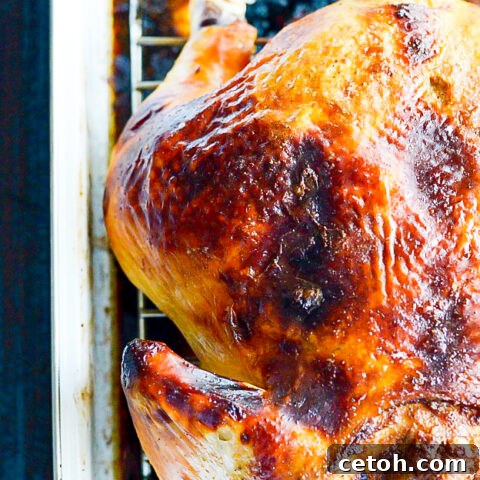
Inspired by Bobby Flay’s Cajun Brined Turkey
8 Servings
1 hour
3 hours
12 hours
16 hours
Impress your guests this holiday season with our Simple Turkey Brine Recipe. This method guarantees a moist, tender, and incredibly flavorful turkey every single time!
Ingredients
- 1/2 cup paprika
- 1/4 cup chile powder
- 1 tablespoon garlic powder
- 1 tablespoon onion powder
- 1 tablespoon dried oregano
- 1 tablespoon dried thyme
- 1/4 teaspoon cayenne powder
- 1-1/2 cups kosher salt
- 1/4 cup light brown sugar
- 4 whole cloves garlic
- 2 bay leaves
- 1 large onion, quartered
- 12-pound turkey, thawed
- 1/4 cup canola or vegetable oil
- 7 pound bag of ice
- Approximately 8-10 cups of water (for brine + additional for cooling)
Instructions
- Create the Spice Blend: In a mixing bowl, combine the paprika, chili powder, garlic powder, onion powder, dried oregano, dried thyme, and cayenne powder. Mix thoroughly until all spices are evenly distributed.
- Prepare the Brine Solution: In a large pot or stockpot, bring 8 cups of water to a gentle boil. Remove the pot from heat immediately and stir in the kosher salt and light brown sugar until both are completely dissolved. Add the prepared spice blend to the hot brine and mix well to incorporate.
- Add Aromatics and Cool: Drop in the whole cloves of garlic, bay leaves, and quartered onion to the brine mixture. Allow the entire mixture to cool completely to room temperature. This step is crucial for food safety before adding the turkey. You can speed up cooling by placing the pot in an ice bath.
- Combine Brine and Turkey: Once the brine is fully cooled, place the thawed 12-pound turkey into a large, clean, food-grade cooler (a styrofoam cooler works well; avoid cardboard). Ensure the cooler is sturdy and leak-proof.
- Submerge the Turkey: Carefully pour the cooled, spice-infused brine over the turkey in the cooler. Make sure the turkey is fully submerged in the liquid. If needed, add a little more cold water to ensure complete submersion. Then, add as much ice as will fit comfortably in the cooler to keep the brine at a safe, consistently cold temperature (below 40°F / 4°C).
- Brine Overnight: Seal the cooler tightly and let the turkey brine for 12 hours. Place the cooler in a cool area, or if space permits, in a refrigerator, to maintain a safe temperature throughout the brining process.
- Prepare for Roasting: After the 12-hour brining time is complete, remove the turkey from the brine solution. Discard the brine. Rinse the turkey thoroughly inside and out under cold running water to remove any excess salt from the surface. Pat the turkey completely dry with paper towels. Let the turkey sit at room temperature for about 1 hour before roasting; this helps the skin dry further, which contributes to crispiness. Preheat your oven to your desired roasting temperature (e.g., 350°F / 175°C).
- Coat with Oil: Brush the entire exterior of the turkey’s skin generously with canola or vegetable oil. This step is key to achieving that desired crispy and golden-brown skin during roasting.
- Roast to Perfection: Follow your preferred roasting method. A common guideline is approximately 13 minutes per pound in an oven preheated to 350°F (175°C). Always use a reliable meat thermometer to ensure the turkey reaches a safe internal temperature of 165°F (74°C) in the thickest part of the thigh without touching bone. Allow the turkey to rest for at least 20-30 minutes before carving to redistribute juices.
Did you make this recipe?
We’d love to see your delicious creations! Please leave a comment on the blog or share a photo on Instagram and tag us!
Our Favorite Side Dishes for Turkey Dinners
A magnificent turkey deserves equally magnificent accompaniments! Here are some of our top picks for side dishes that perfectly complement a brined turkey, turning your meal into a truly unforgettable feast.
Sweet Potato Casserole with Pecan Topping – Classic Holiday Side Dish
Sriracha Deviled Eggs with Fried Green Onions Recipe
Simple Turkey Brine Recipe
Quick & Easy Blender Bisquick Gravy
Perfect Dinner Rolls
No-Bake Chocolate Silk Pie | Easy, Creamy Chocolate Dessert
Honey Butter Crescent Rolls Recipe
Homemade Green Bean Casserole (From Scratch & Better Than Canned!)
French Bread Recipe + the Difference From Italian Bread