
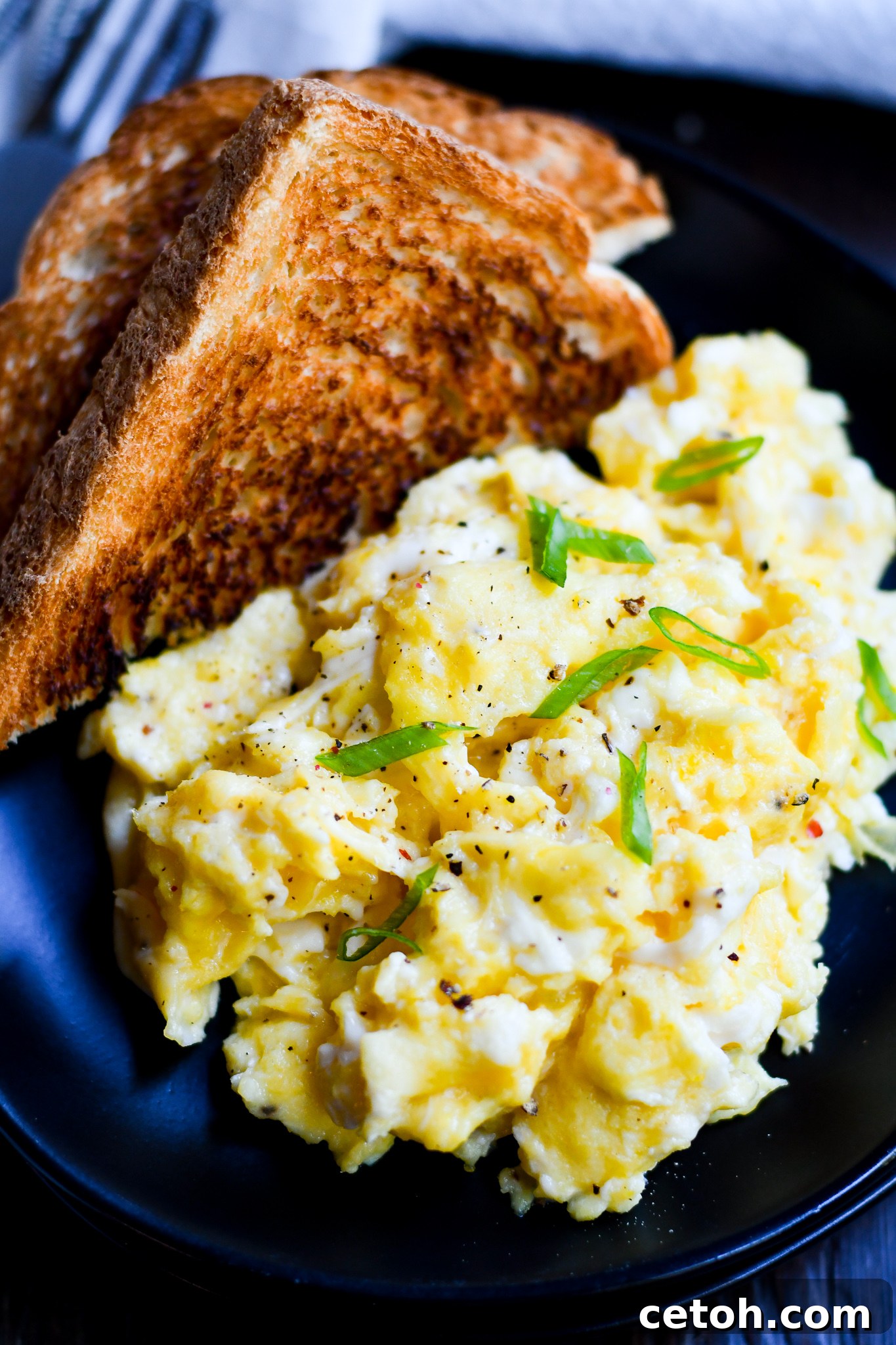
Mastering Gordon Ramsay’s Perfect Scrambled Eggs: The Ultimate Guide
Welcome to the ultimate guide for crafting scrambled eggs so exceptionally creamy and fluffy, they could only be inspired by the legendary Chef Gordon Ramsay. Whether you’re a seasoned breakfast aficionado or simply looking to elevate your morning routine, mastering the art of perfectly scrambled eggs is a fundamental culinary skill that promises delicious rewards. Prepare to unlock the secrets behind achieving those coveted restaurant-quality eggs right in your own kitchen.
Forget fancy ingredients or overly complicated techniques; Ramsay’s method emphasizes precision, patience, and a deep understanding of how eggs cook. By focusing on a gentle cooking process, constant attention, and the right tools, you’ll transform humble eggs into a luxurious, velvety experience. This comprehensive guide will walk you through every step, from selecting the finest eggs to avoiding common pitfalls, ensuring your scrambled eggs are consistently flawless.
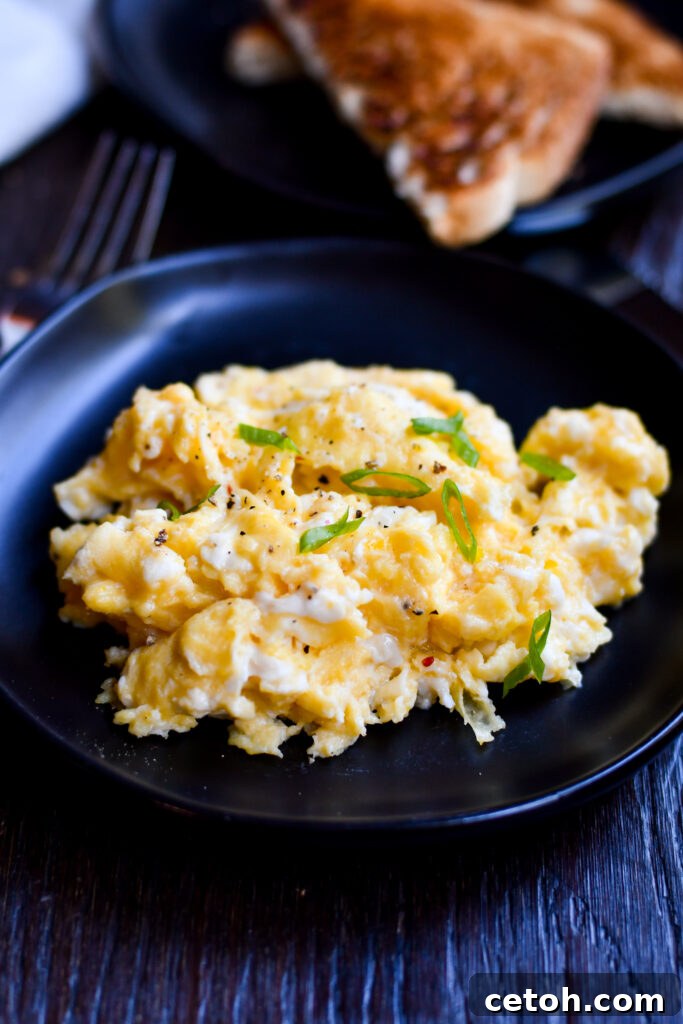
What Makes Gordon Ramsay’s Scrambled Eggs Unforgettable?
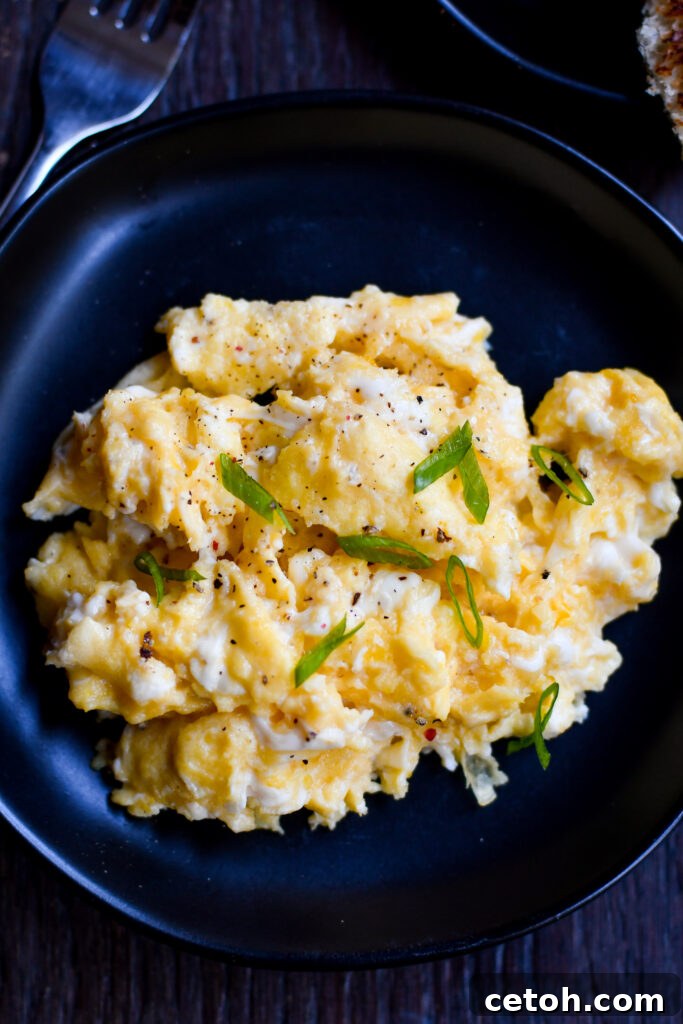
Gordon Ramsay’s scrambled egg recipe isn’t just famous; it’s legendary, primarily for its unparalleled creaminess and velvety, almost custard-like texture. This isn’t achieved by chance but through a meticulous cooking philosophy that diverges significantly from typical methods.
The core of Ramsay’s genius lies in his unconventional yet highly effective approach to heat management. Instead of cooking eggs rapidly over high heat (a common mistake that leads to dry, rubbery results), he advocates for a slow and deliberate process. He begins by cracking fresh, high-quality eggs into a cold pan with a knob of butter. This initial cold start allows the eggs and butter to heat up gradually together, preventing the eggs from seizing up too quickly.
The magic truly happens with his signature “on-and-off the heat” technique. By continuously stirring the eggs with a rubber spatula and periodically removing the pan from the heat, he controls the cooking rate with astonishing precision. This intermittent cooking prevents the eggs from setting too firmly, encouraging the formation of small, tender curds that remain moist and rich. The constant folding and stirring ensure even heat distribution and break down larger curds, resulting in that remarkably smooth and luxurious consistency that has become his culinary hallmark. This detailed attention to the cooking process, combined with his emphasis on fresh ingredients and simple seasoning, truly sets his scrambled eggs apart, making them a global favorite among breakfast enthusiasts and fine diners alike.
The Simple, Fresh Ingredients for Perfection
Achieving Gordon Ramsay’s perfect scrambled eggs doesn’t require an extensive list of obscure ingredients. In fact, its brilliance lies in the simplicity and quality of its components. Each element plays a crucial role in delivering that signature rich flavor and velvety texture.
1. Fresh, High-Quality Eggs
These are undeniably the star of the show. Gordon Ramsay insists on using the freshest free-range eggs available. Why does freshness matter so much? Fresher eggs have a thicker white and a firmer yolk, which contribute to a richer flavor and a better, more stable structure as they cook. Free-range eggs often boast deeper colored yolks and a more robust flavor profile, enhancing the overall taste and visual appeal of your scrambled eggs.
2. Unsalted Butter
A generous knob of unsalted butter is critical not just for preventing sticking but also for imparting a rich, luxurious flavor and contributing to the creamy texture. Using unsalted butter allows you to control the overall saltiness of the dish precisely. The fat from the butter encapsulates the protein molecules in the eggs, helping them cook gently and remain tender.
3. Salt and Freshly Ground Black Pepper
These essential seasonings are added at the very end of the cooking process for a reason. Salt, when added too early, can draw moisture out of the eggs, potentially making them tough. By adding it at the end, you season the perfectly cooked curds, enhancing their natural flavor without compromising texture. Freshly ground black pepper adds a subtle kick and aromatic depth that complements the richness of the eggs.
4. Optional Luxurious Additions
While the classic Ramsay method keeps it minimal, a small amount of an optional dairy element can elevate the creaminess further:
- Crème Fraîche: Ramsay himself often adds a touch of crème fraîche at the very end, off the heat. Its tangy richness adds an extra layer of creaminess and a sophisticated flavor dimension.
- Sour Cream or Heavy Cream: If crème fraîche isn’t available, a tiny splash of sour cream or heavy cream can be used as a substitute to achieve a similar velvety mouthfeel, though be mindful not to add too much, as it can make the eggs watery.
- Fresh Herbs: For an aromatic finish, snipped chives or finely chopped fresh parsley can be folded in just before serving, adding a burst of color and fresh flavor.
5. Silicone Spatula
Although not an ingredient, a good quality silicone (or rubber) spatula is an indispensable tool for this recipe. Its flexible yet sturdy nature allows you to gently scrape, stir, and fold the eggs from the bottom and sides of the pan without scratching the surface. This continuous, gentle movement is key to developing those small, even curds and maintaining the silky texture that defines Ramsay’s scrambled eggs.
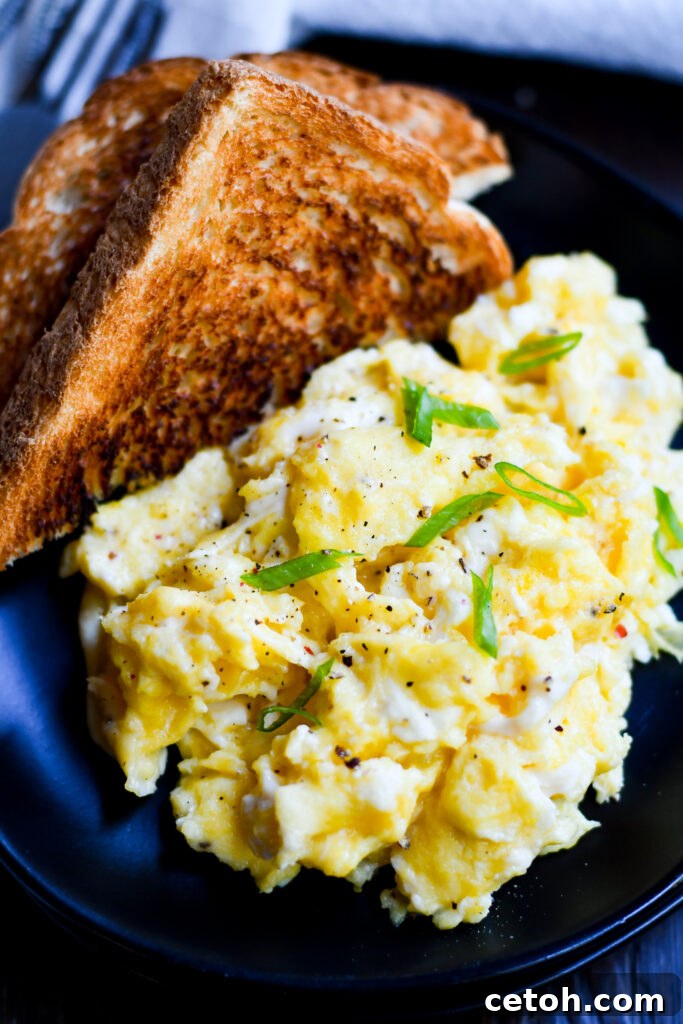
Gordon Ramsay’s Signature Scrambled Egg Recipe
Follow these steps precisely to recreate the iconic texture and flavor of Gordon Ramsay’s perfect scrambled eggs. This recipe makes a generous serving for one, or two lighter portions.
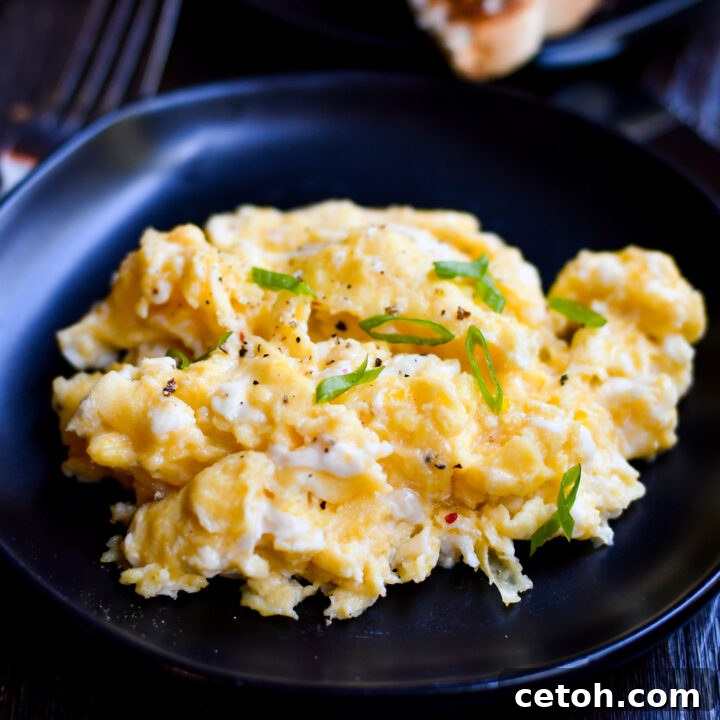
Gordon Ramsay’s Perfect Scrambled Eggs
1-2 Servings (from 3 eggs)
10 minutes
8 minutes
18 minutes
Unlock the secrets to Gordon Ramsay’s perfect scrambled eggs with this foolproof recipe and step-by-step guide to achieving unparalleled creaminess.
Ingredients
- 3 large, fresh eggs
- 1 Tbsp unsalted butter
- Pinch of freshly ground black pepper
- Pinch of sea salt
- 1/2 Tbsp crème fraîche (or substitute with heavy cream or sour cream for similar richness)
Instructions
- Prepare Your Pan and Heat: Begin by placing a non-stick frying pan on your stovetop. Turn the heat to medium. While some might think high heat is faster, Ramsay’s method thrives on controlled, gentle cooking.
- Cold Start with Eggs and Butter: Crack all 3 eggs directly into the cold pan. Add the tablespoon of butter alongside the eggs. Do not whisk the eggs beforehand. This cold start is fundamental, as it allows the eggs and butter to melt and cook together gradually, preventing the proteins from tightening up too quickly.
- Initial Cooking and Off-Heat Stirring: Place the pan over the medium heat. Immediately begin stirring the eggs continuously with a silicone spatula, making sure to scrape the bottom and sides of the pan. As soon as you see the eggs start to slightly solidify and form small curds (usually within 30-60 seconds), remove the pan from the heat. Continue stirring vigorously for another 30 seconds off the heat. This technique uses the residual heat to gently cook the eggs without overcooking.
- Repeat for Creaminess: Return the pan to the medium heat for approximately 30 seconds, stirring constantly. Again, remove it from the heat and continue stirring for another 30 seconds. Repeat this on-and-off-heat process two to three more times until the eggs have mostly solidified into soft, creamy curds. They should still be slightly wet and glossy, not dry or firm. This staggered cooking is the key to their velvety texture.
- The Finishing Touch and Seasoning: For the last time, remove the pan from the heat. Now, stir in the half tablespoon of crème fraîche (or your chosen substitute). This final addition stops the cooking process and imparts that ultimate creamy, luxurious finish. Stir until fully combined. Finally, season generously with a pinch of sea salt and freshly ground black pepper. Serve immediately on hot toast or as part of your favorite breakfast.
Nutrition Information (per serving):
Yield: 1
Serving Size: 1
Amount Per Serving:
Calories: 345Total Fat: 29gSaturated Fat: 14gTrans Fat: 1gUnsaturated Fat: 13gCholesterol: 598mgSodium: 448mgCarbohydrates: 1gFiber: 0gSugar: 1gProtein: 19g
Common Mistakes to Avoid for Perfect Scrambled Eggs
Scrambling eggs might seem like a straightforward task, but subtle errors can drastically alter the outcome, turning potentially perfect eggs into a rubbery disappointment. Understanding these common pitfalls and how to avoid them is just as important as knowing the right technique. Here’s an extended troubleshooting guide to help you consistently achieve those coveted creamy results:
1. Overcooking Your Eggs
This is arguably the most prevalent mistake. Overcooked eggs become dry, tough, and lose their delicate texture. The key to avoiding this is to remove the eggs from the heat just before they reach your desired consistency. Remember, eggs continue to cook from residual heat in the pan even after being taken off the burner. Aim for a slightly underdone, glossy appearance when you finish cooking.
2. Using High Heat
Cooking eggs over high heat causes them to cook too rapidly and unevenly, making them rubbery and brown prematurely. High heat denatures the proteins too quickly, expelling moisture and leading to a tough texture. Always opt for medium-low to medium heat, allowing for gentle, controlled cooking that produces soft, tender curds.
3. Insufficient Fat in the Pan
Eggs crave fat to achieve that desired creamy texture and to prevent sticking. A stingy amount of butter or oil will result in eggs that stick to the pan and dry out quickly. Use a generous knob of butter (as Ramsay recommends) or a tablespoon of good quality oil to adequately coat the pan, providing lubrication and contributing to the richness.
4. Neglecting Proper Seasoning
Unseasoned eggs are bland and unappetizing. Salt and freshly ground black pepper are crucial for enhancing the natural flavors of the eggs. The timing of seasoning also matters; adding salt at the very end (as per Ramsay’s method) helps preserve the creamy texture and vibrant color.
5. Overmixing or Under-Mixing
While constant stirring is essential, over-mixing or beating the eggs too vigorously in the pan can break down the curds excessively, leading to a finely textured but dry scramble. Conversely, under-mixing can result in large, uneven, and clumpy curds. The goal is gentle, continuous folding with a silicone spatula to encourage small, consistent curds.
6. Using Old Eggs
The freshness of your eggs significantly impacts both flavor and texture. Older eggs tend to have thinner whites and less vibrant yolks, which can lead to a watery or less flavorful scramble. Always check the expiration date and choose the freshest eggs available for the best possible results.
7. Adding Too Much Liquid
Some recipes suggest adding milk or cream to scrambled eggs, but adding too much liquid can dilute the flavor and make the eggs watery or runny instead of creamy. Ramsay’s method focuses on the eggs’ natural creaminess with just a touch of butter and, optionally, crème fraîche at the end, which is more about enrichment than adding bulk liquid.
8. Failing to Preheat the Pan (in traditional methods) or Starting Hot
While Ramsay famously starts with a cold pan, traditional methods often require a preheated pan to ensure even cooking and prevent sticking. However, starting with a cold pan (as Ramsay does) with butter and eggs, then applying medium heat, is also a valid and superior technique for specific creamy results. The mistake here is either not following *either* method precisely or trying to combine them incorrectly.
9. Inconsistent Stirring or Neglecting the Edges
For the creamiest, most even curds, constant, gentle stirring with a rubber spatula is vital. Ensure you scrape the bottom and sides of the pan frequently to prevent eggs from sticking and overcooking in those areas. Neglecting this leads to browned, crispy bits on the edges while the center remains undercooked.
10. Overcrowding the Pan
If you’re cooking for a crowd, resist the urge to cram too many eggs into one pan. Overcrowding lowers the pan’s temperature, leads to uneven cooking, and essentially steams the eggs rather than scrambling them properly. Cook in smaller batches to maintain even heat distribution and achieve consistent results for everyone.
By consciously avoiding these common errors and applying Gordon Ramsay’s meticulous techniques, you’ll undoubtedly master the art of making perfect scrambled eggs every single time, delighting yourself and anyone you serve.
Serving Suggestions and Perfect Pairings
Once you’ve mastered Gordon Ramsay’s perfect scrambled eggs, the possibilities for serving them are endless. Their rich, creamy texture makes them a versatile companion to a variety of breakfast and brunch elements. Here are some ideas to inspire your next meal:
Classic Combinations
- Toasted Sourdough or Brioche: A simple slice of perfectly toasted sourdough or a rich, buttery brioche provides an ideal canvas for your creamy eggs. The crunch of the toast offers a delightful textural contrast.
- Crispy Bacon or Sausage: The salty, savory crunch of bacon or the hearty flavor of breakfast sausage perfectly complements the richness of the eggs, creating a satisfying and balanced plate.
- Roasted Tomatoes: Halved cherry tomatoes or sliced larger tomatoes, roasted until slightly caramelized, add a burst of sweetness and acidity that cuts through the richness of the eggs.
- Fresh Chives or Herbs: A sprinkle of freshly snipped chives, finely chopped parsley, or even a few basil leaves adds a pop of color and a fresh, aromatic finish.
Elevated Pairings
- Smoked Salmon and Avocado: For a luxurious brunch, serve your scrambled eggs alongside slices of buttery smoked salmon and creamy avocado. A squeeze of lemon juice brings it all together beautifully.
- Asparagus or Spinach: Lightly sautéed asparagus spears or wilted spinach offer a healthy, vibrant green element that pairs wonderfully with eggs.
- Truffle Oil: A tiny drizzle of high-quality truffle oil (white or black) just before serving can elevate the dish to gourmet status, adding an earthy, sophisticated aroma. Use sparingly to avoid overpowering the delicate egg flavor.
- Hot Sauce or Chili Flakes: For those who enjoy a little heat, a dash of your favorite hot sauce or a sprinkle of chili flakes can add a welcome zing, cutting through the richness and waking up your palate.
No matter how you choose to serve them, Gordon Ramsay’s perfect scrambled eggs are a testament to how simple ingredients, when handled with care and precision, can yield truly extraordinary results. Experiment with these pairings or create your own to make every breakfast a culinary delight.
If you love this recipe, definitely be sure to check out our breakdown of Gordon Ramsay’s Perfectly Poached Eggs!
Did you make this recipe?
Please leave a comment on the blog or share a photo on Instagram